

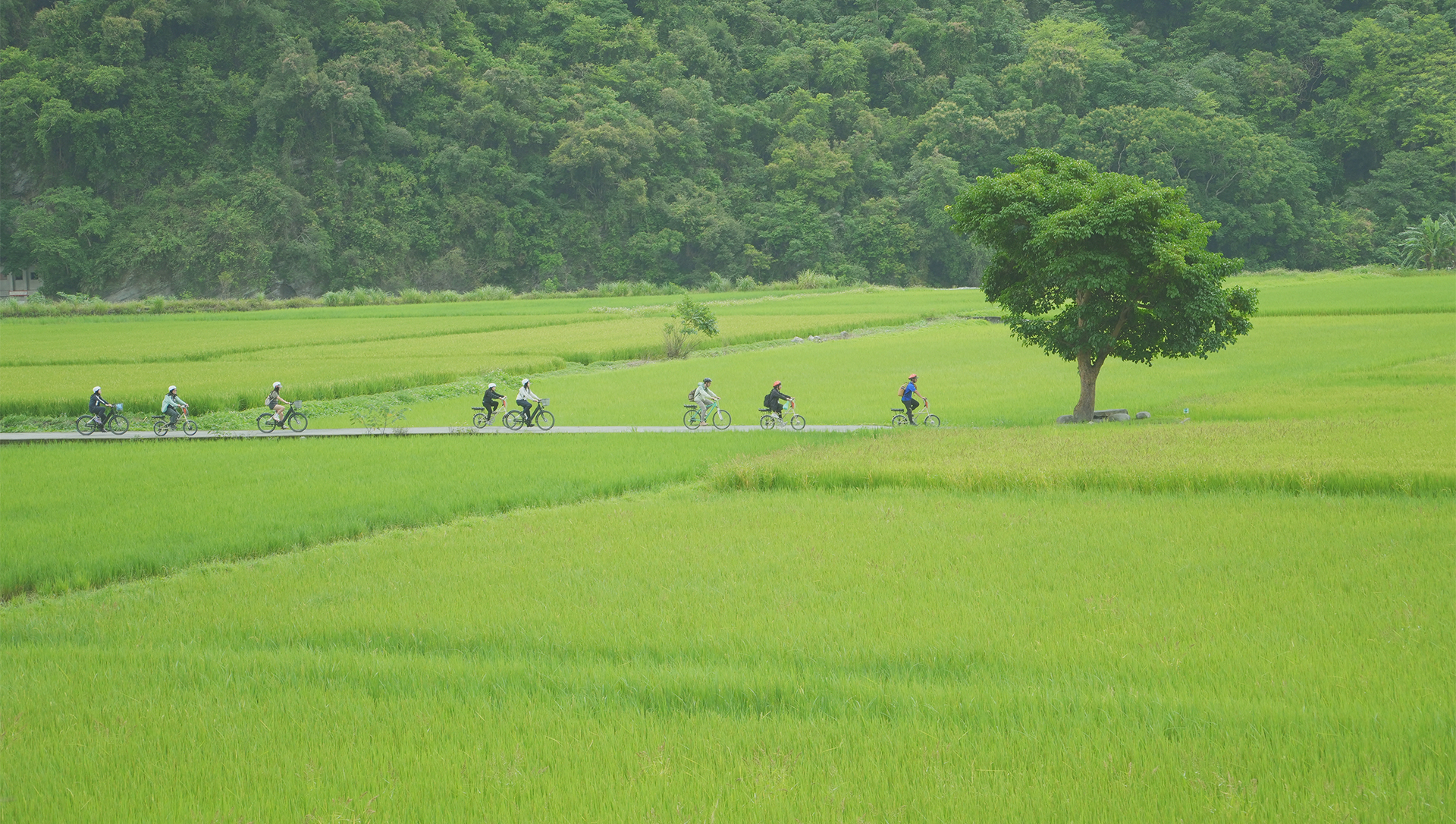
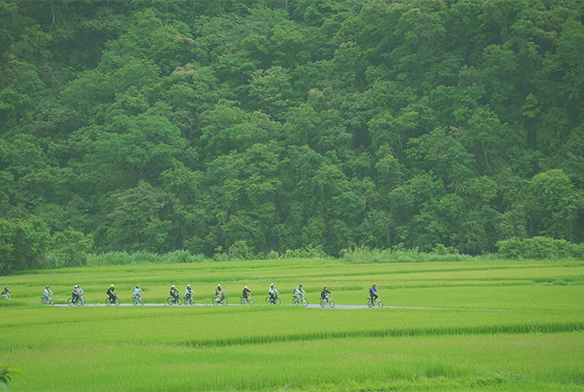
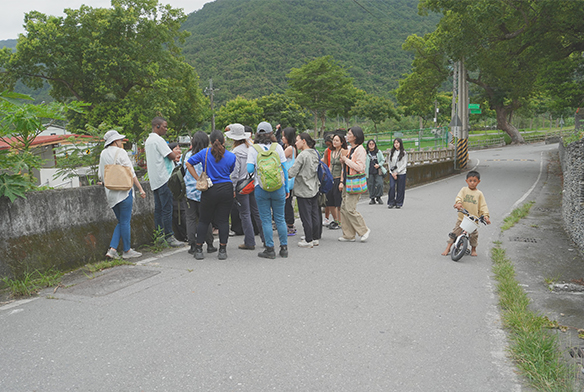
Hop on an E-bike, feel the breeze, gliding slowly in a single-file line through the Nan-an organic rice fields.
Turn a corner, and the "Nan-an Takeshi Kaneshiro Tree" is right in front of you.
Every now and then, spot a few spot-billed ducks splashing out of the fields—a view so breathtakingly beautiful, it will make you forget to breathe...
You will realize how wonderful it feels to just "slow down."
This beautiful place is the organic farmland at the foot of Yushan National Park.
The Lakulaku River winds through three indigenous villages—Zhuole, Nan-an, and Qingshui—watering a land where people and nature coexist in harmony. Here, rice fields, bamboo frames, stone walls, and green bushes interweave, perfectly connecting the landscape with nature as wild animals roam freely throughout.
The Lakulaku River flows through Zhuole, Nan’an, and Qingshui tribes,
creating a landscape where rice fields, bamboo frames, stone walls, and wildlife live together.
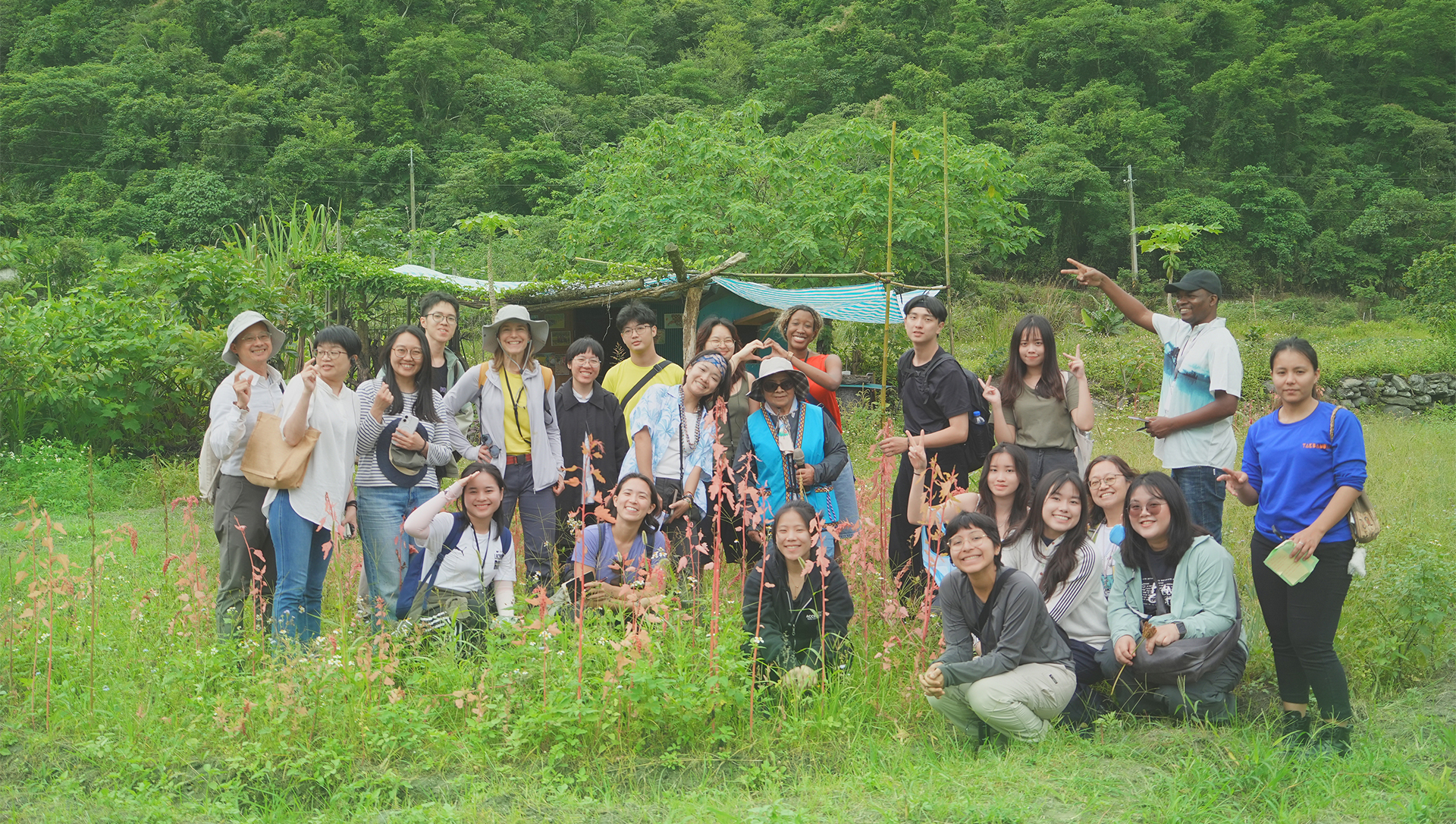
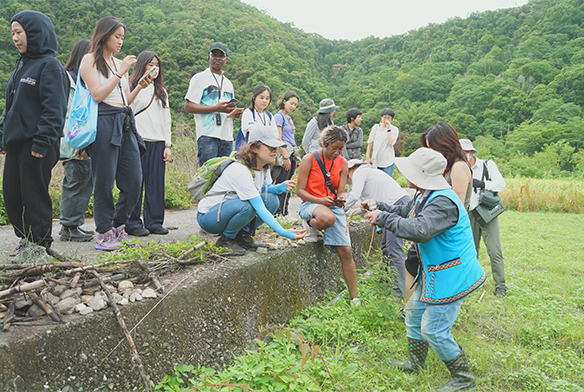 The Qingshui field: Our first E-bike stop. Though named "Clear Water," it uses dry farming because past upstream mining changed the water flow.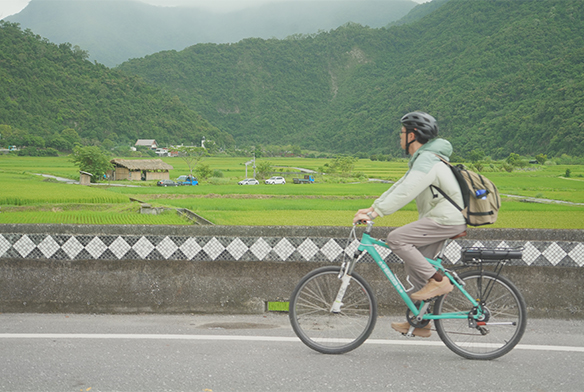
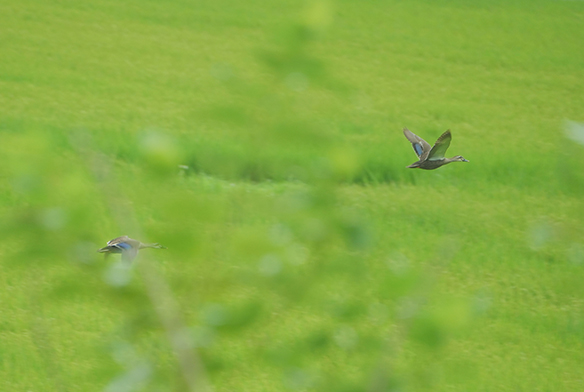 Life in the organic fields: It is perfectly normal to see wild ducks jumping out of the rice fields here.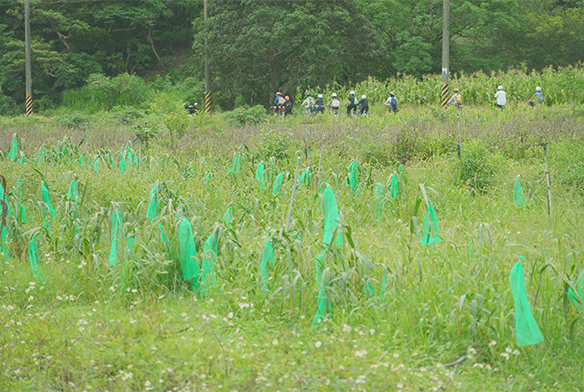
Step Into Pisanglavan
Our first E-bike stop is the Qingshui field. Though its name means "Clear Water," it is actually a dry field.
In the past, mining upstream along the Qingshui River altered the hydrology, making it impossible to divert river water for irrigation. Over time, the Qingshui field gradually shifted to dry farming.
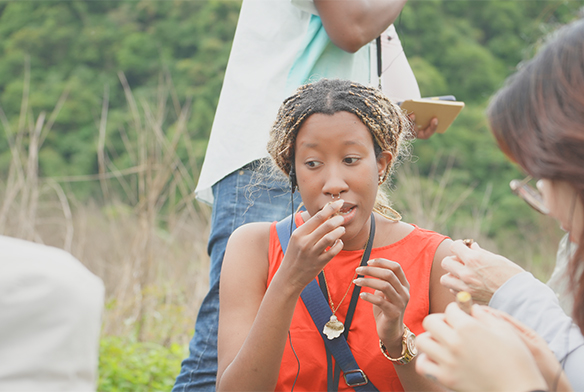
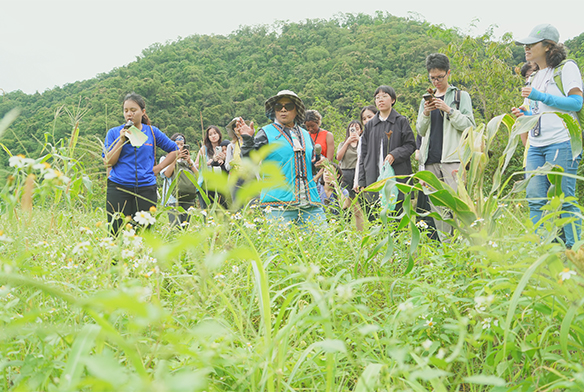
Tina Uli (Kao Hsiu-chin) shares her philosophy of "relying on nature for sustenance":
Pisanglavan: The Bunun word for "vegetable garden."
Tina: A respectful Bunun term for mother or female elders.
"My field has a lot of weeds. We shouldn't clean it up too much. If it’s too clean, the crops will die because the soil loses its moisture!"
"Adapt to the environment, don't make drastic changes to it." Tina Uli observes the landscape first, then fills the spaces with various crops. No single crop dominates here; everything grows together as a harmonious combination at the right time and place.
Taiwanese oil millet and Chinese scallions coexist peacefully in the grass.
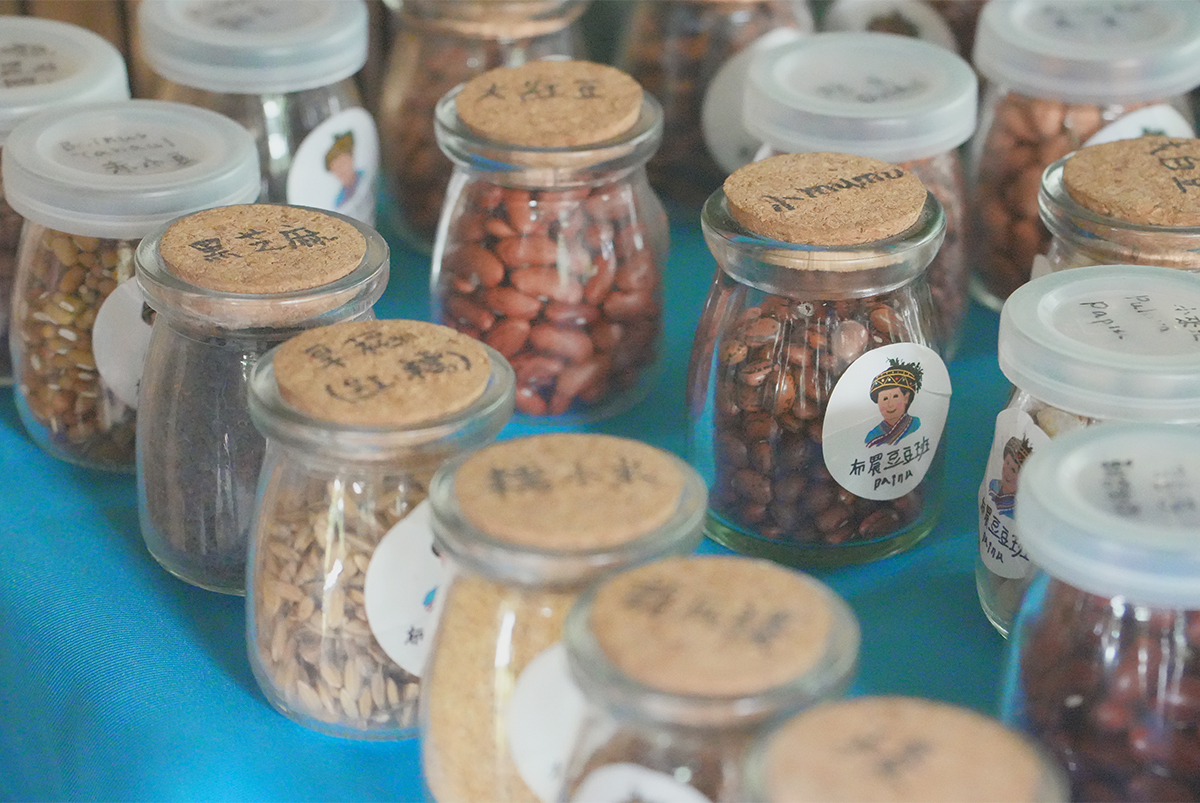
Finger millet is intercropped everywhere. Tina says: "Finger millet is incredibly useful. In the past, if children had a stomachache or diarrhea, eating this would heal them right away."
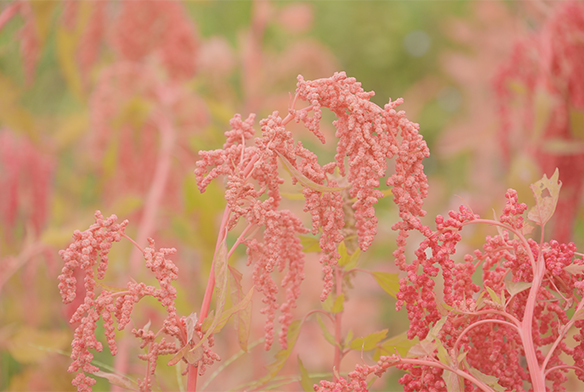
"Formosan quinoa can be used to make yeast for millet wine. It can also be used as tea bags or cooked with rice, giving both the wine and the food a beautiful red color."
"Don't worry about stepping directly on these peanuts—it actually helps them bear more fruit!"
Qingshui: Women's Fields.
No weeding, no water irrigation. Relying entirely on the farming wisdom passed down by Bunun elders, this land grows the ultimate biodiversity.
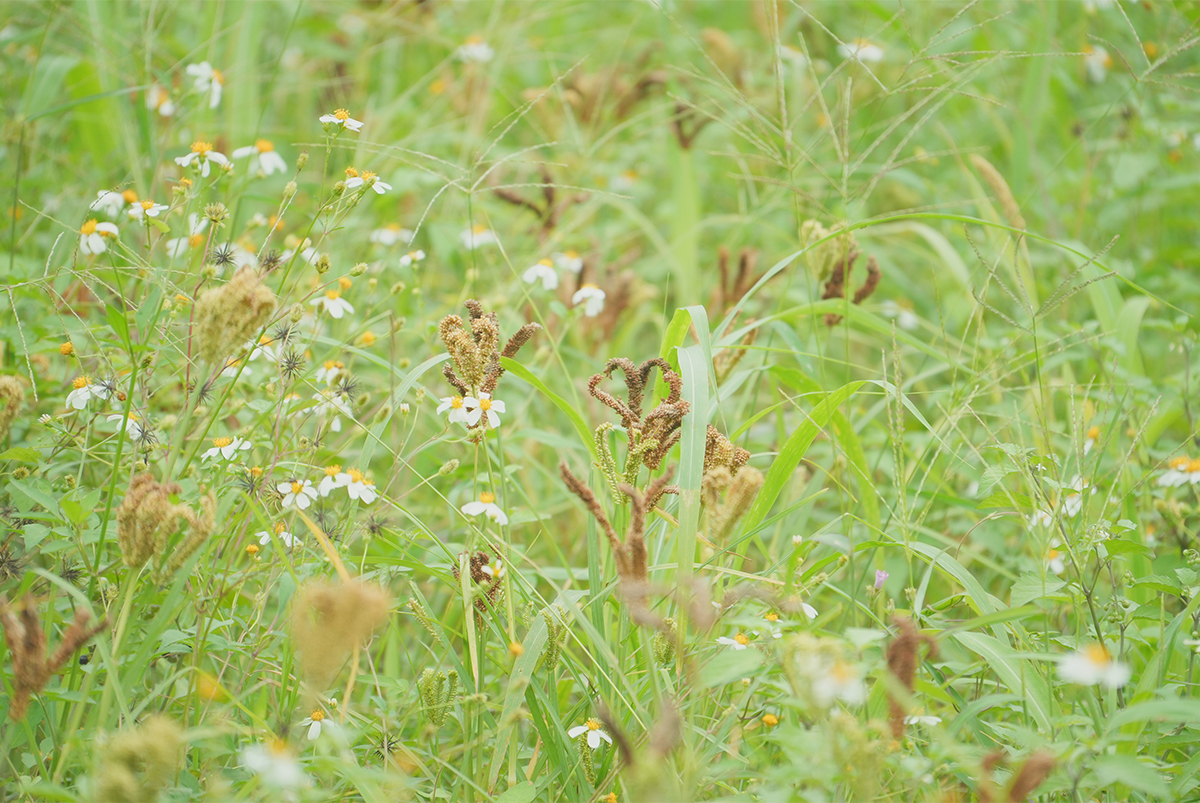 Tina’s wisdom: Tina introduces finger millet, <br>which was traditionally used to cure children's stomachaches or diarrhea right away.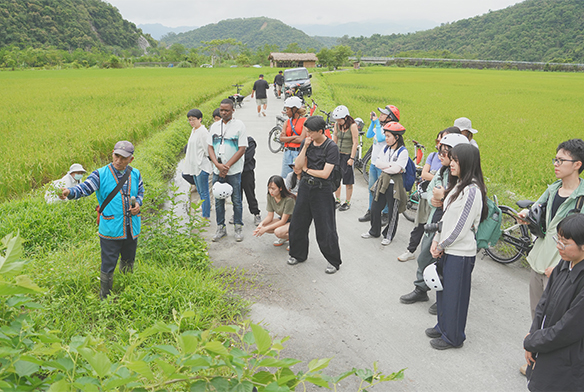
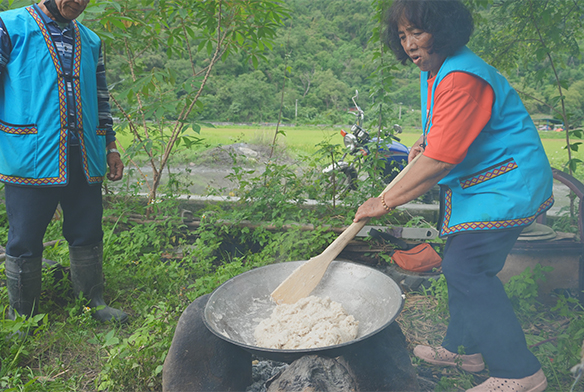
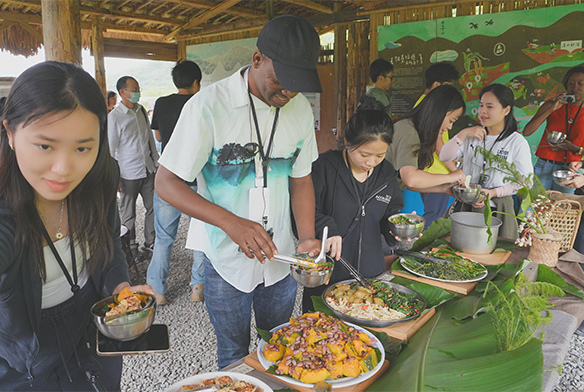 Fresh lunch: All lunch ingredients come straight from the Tinas' gardens, mostly hand-picked this morning.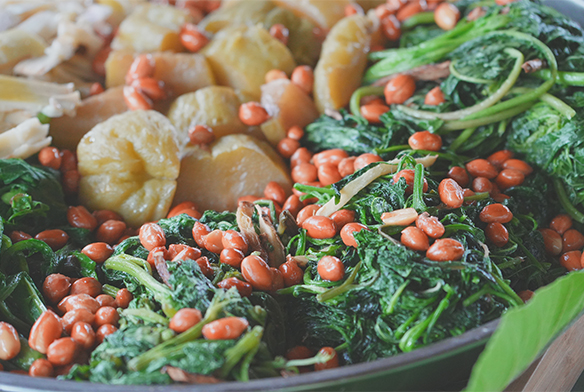
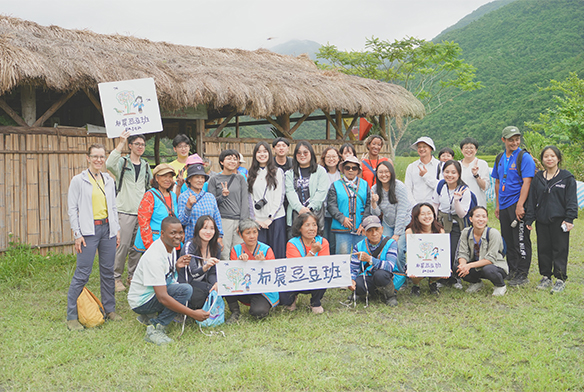 The Nan’an Project: A key achievement for Taiwan in joining international IPSI and OECM conservation efforts.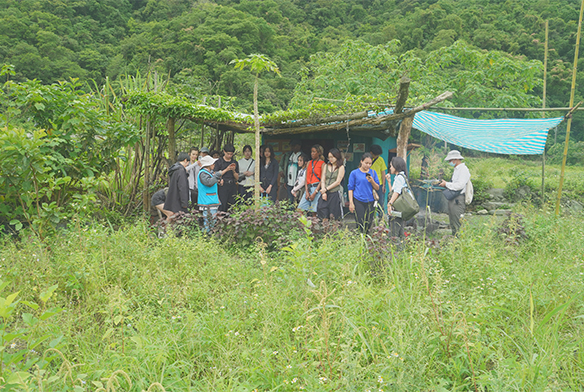
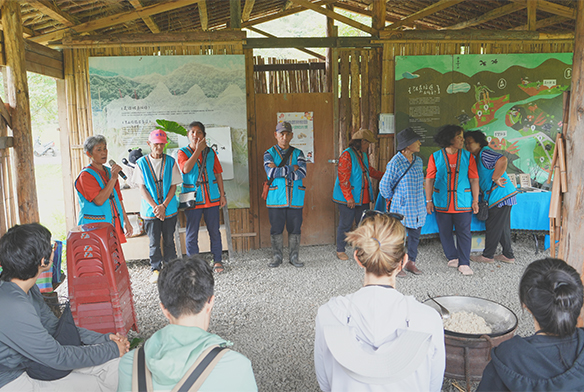
A Taste of Pisanglavan
Enjoy home-cooked dishes handmade by the Tinas. Every bite is a gift from a nature-friendly land.
The ingredients for this lunch came straight from the Tinas' vegetable gardens—many picked fresh just this morning!
A refreshing and appetizing dish of pumpkin shoots and wild amaranth paired with "non-spicy chilis" from the garden. Another dish features sweet seasonal bamboo shoots combined with chayote squash and wild amaranth, sprinkled with traditional peanuts to create a rich texture with multiple layers.
Hearty, fluffy chunks of sweet pumpkin mixed generously with pigeon peas and quail beans.
Deep-fried pumpkin coated with finger millet—crispy on the outside, soft on the inside, growing more fragrant and sweeter with every chew.
A bowl of traditional beans simmered slowly over a low fire, offering a clean, refreshing sweetness that is never heavy.
A traditional Bunun cake made of millet and Taiwanese oil millet, blended with the subtle, fruity tartness of roselle.
Every dish comes from the Tinas' gardens and memories.
Behind this light bike trip is a deep meaning, reflecting the core spirit of "Satoyama"—humans do not stand outside of nature; we live inside it.
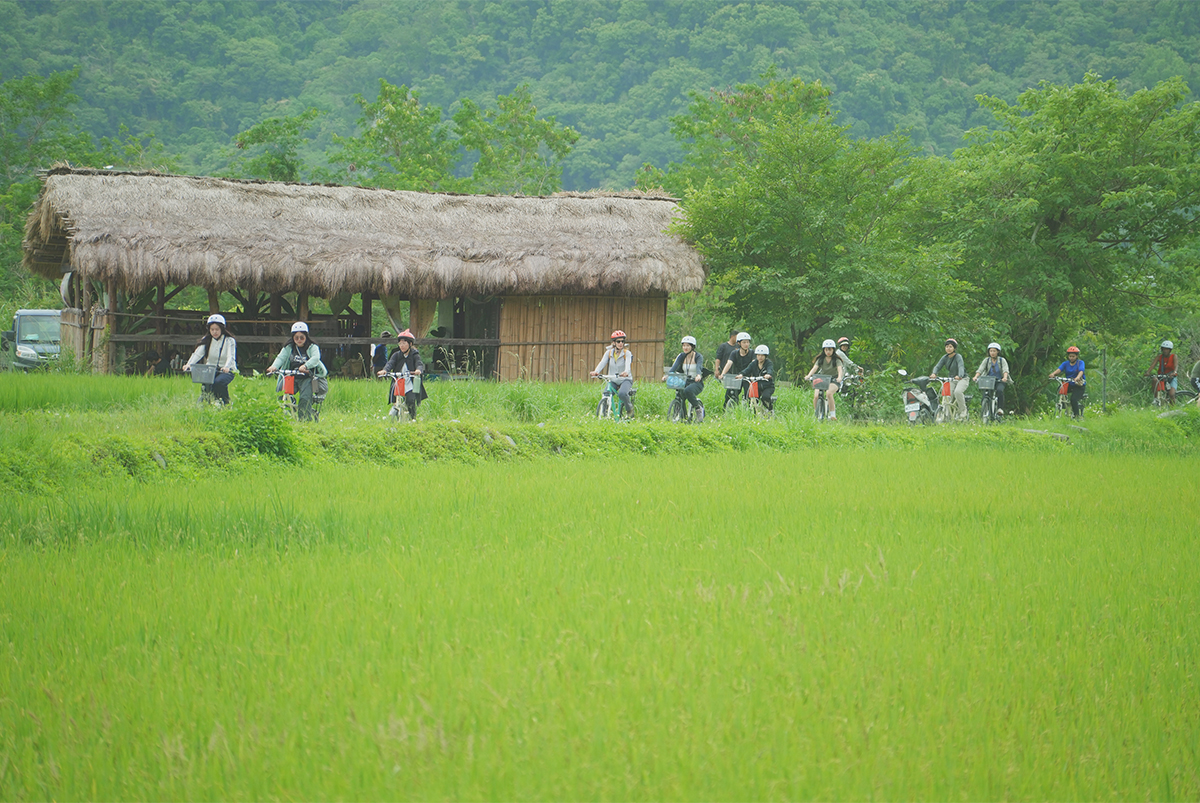
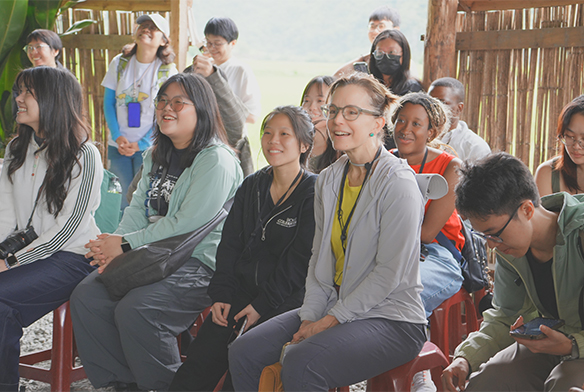
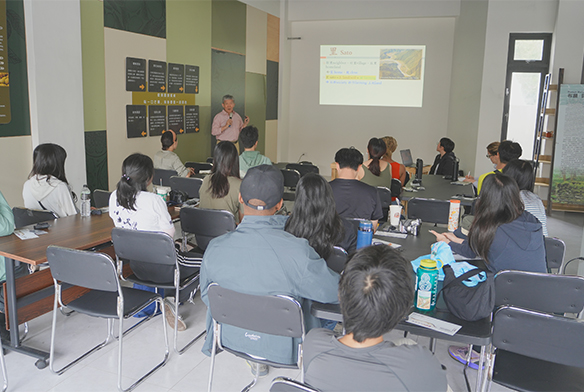
The Tse-Xin "Nan-an Project" is a milestone for Taiwan in aligning with international standards like IPSI (International Partnership for the Satoyama Initiative) and OECMs (Other Effective Area-Based Conservation Measures). It is not just about agricultural farming, but about the revitalization of a healthy Socio-Ecological Production Landscape (SEPLS).
By combining Bunun traditional ecological knowledge, the project protects over 400 native plant species and works collaboratively to restore the endangered Kikuchi's minnow (a rare native fish) and the Grey-faced buzzard.
By collecting stories from elders, publishing books, and translating these interviews into knowledge that younger generations can easily embrace, the project builds a sustainable blueprint for Taiwan’s national ecological conservation green network, fostering both ecological and community resilience.
Next time you pass by Yuli, stop by.
Come see the mountains, the fields, and how people live together with nature.
Give your heart a chance to slow down and breathe again.
Just a heads-up! 📖
Why did we organize this light E-bike tour?
Because the two English editions of Into Pisanglavan are coming out soon!
Stay tuned, everyone!
Chinese Edition Links:
Into Pisanglavan: The Bunun Vegetable Garden