

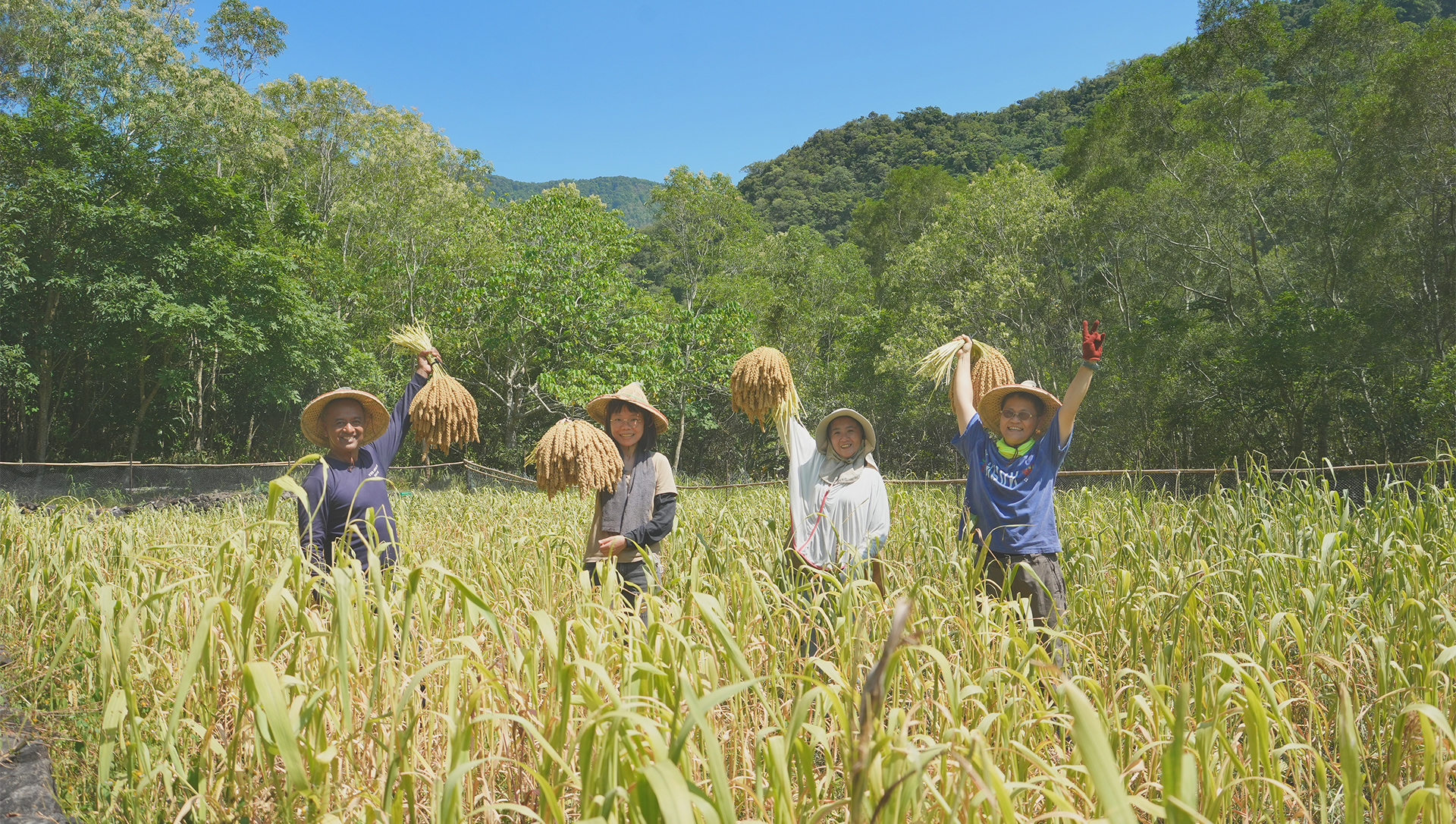
This was a completely last-minute decision. Today, a few Tse-Xin project coordinators received an urgent invitation to join the millet harvest.
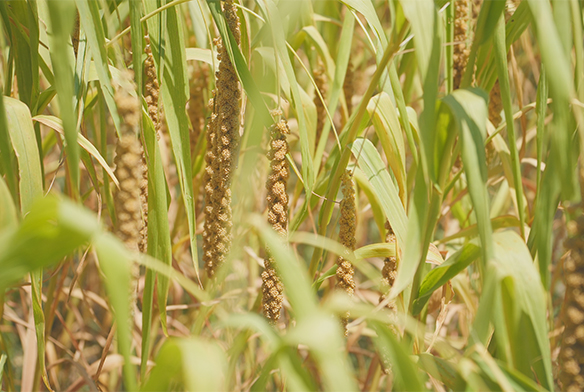
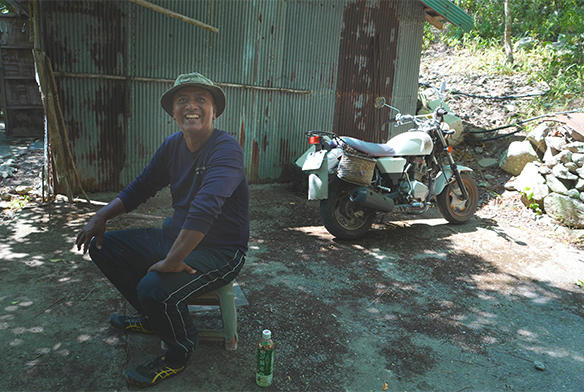
With the weather forecast warning that Typhoon Jangmi was approaching, farmer Lanpaw Kalijuvung had only one thing on his mind before the wind and rain arrived: harvest as much millet as possible.
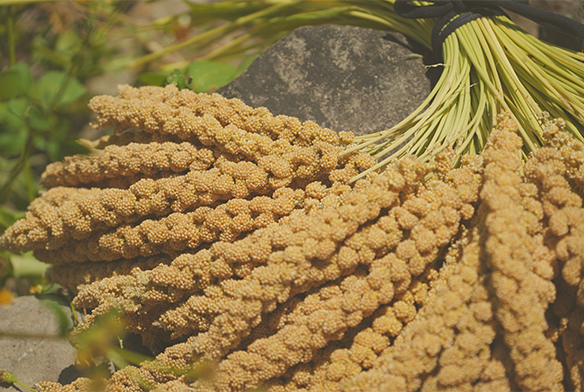
Recent unusually high temperatures had already caused some crops to wither. In addition, strong winds snapped many mature millet stalks in half. If the rain were to fall on them, the millet would be ruined—either sprouting right where it lay in the field or developing mold.
This is the daily life of farmers. They cultivate their crops in harmony with the seasons, while also bearing the risks that come with the weather. They may appear to meet whatever nature brings with quiet composure, yet with every change beyond their control, they learn to accept, adapt quickly, and keep moving forward!
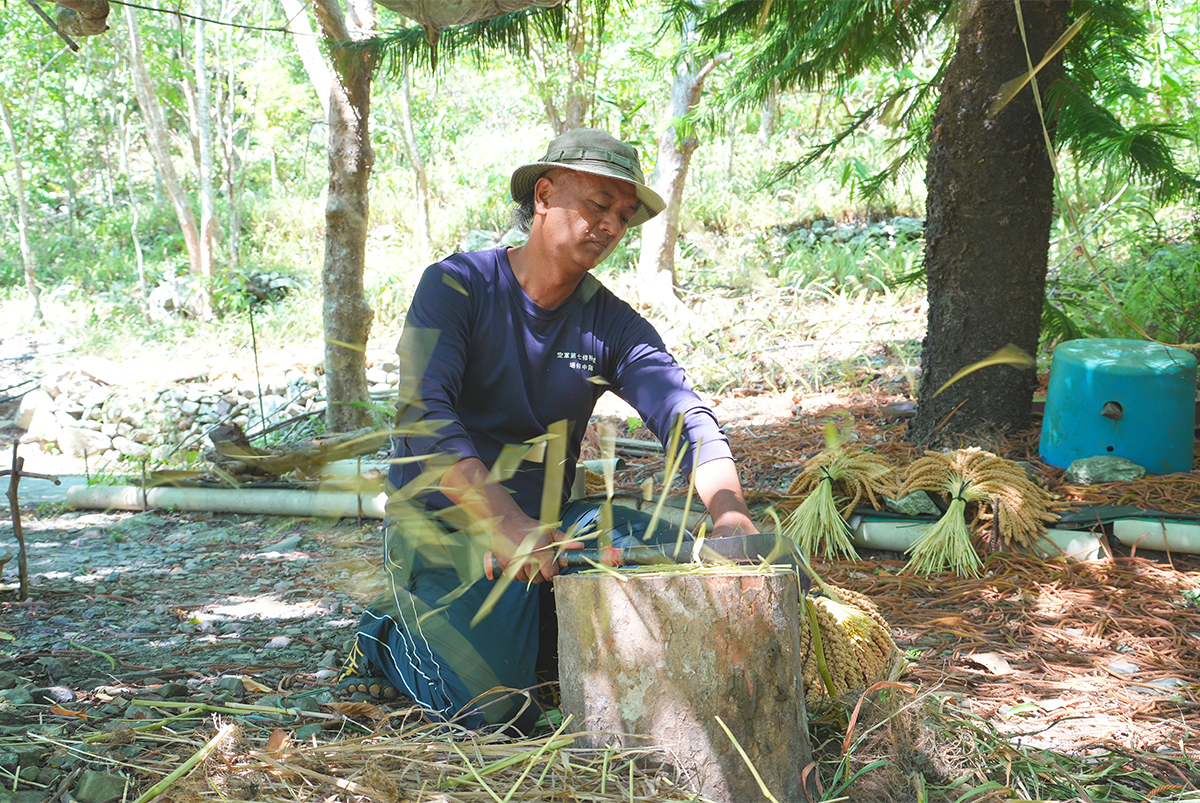
These words are never just a polite phrase.
It means that finishing any job relies on many people silently carrying the weight and working together.
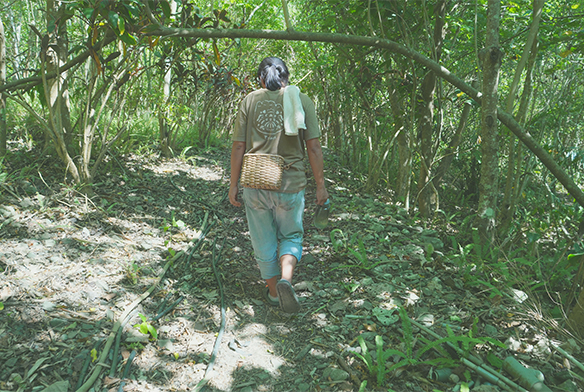 Along the way, farmer Dradrivy Qaljecime shared stories:<br> "Someone used to live here... that was someone's old home. Later, everyone slowly moved to Tuban village..."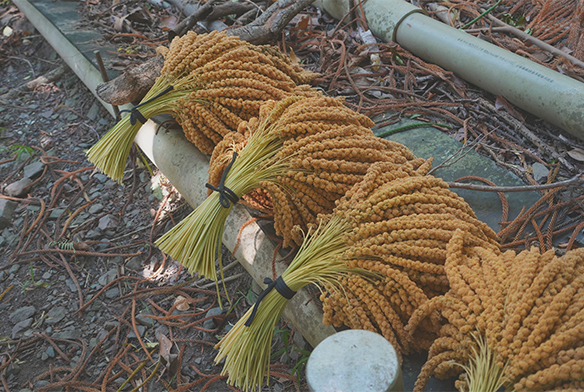
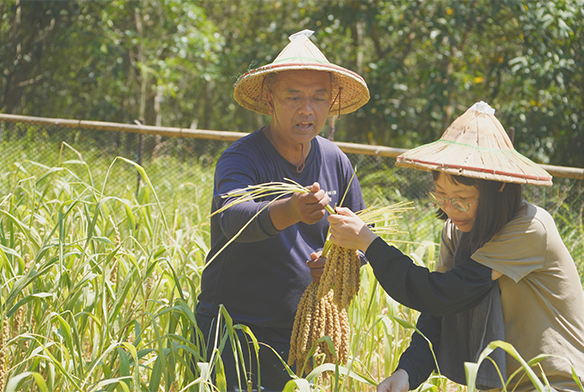
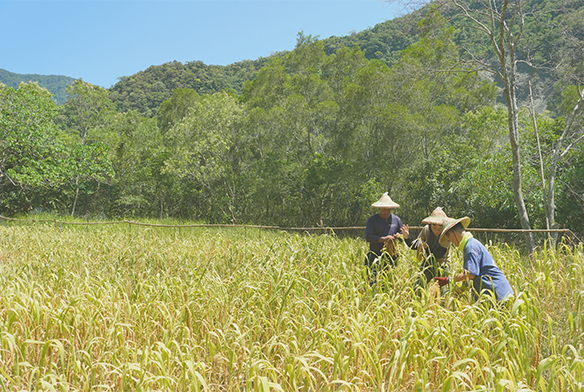 The spirit of the harvest: For Indigenous people, harvesting millet is a job for the whole family. <br>It’s not a race to see who is faster or who picks more.
Farmer Lanpaw Kalijuvung said:
"Recently, everything at home happened all at once. My wife and I just have to stay strong. We handle each task one by one, based on risk and priority. Thank God, we have made it through every step of the way."
Indeed, growing millet is never as simple as sowing seeds and waiting for the harvest. It is a long journey shaped by the weather, time, physical endurance, and perseverance.
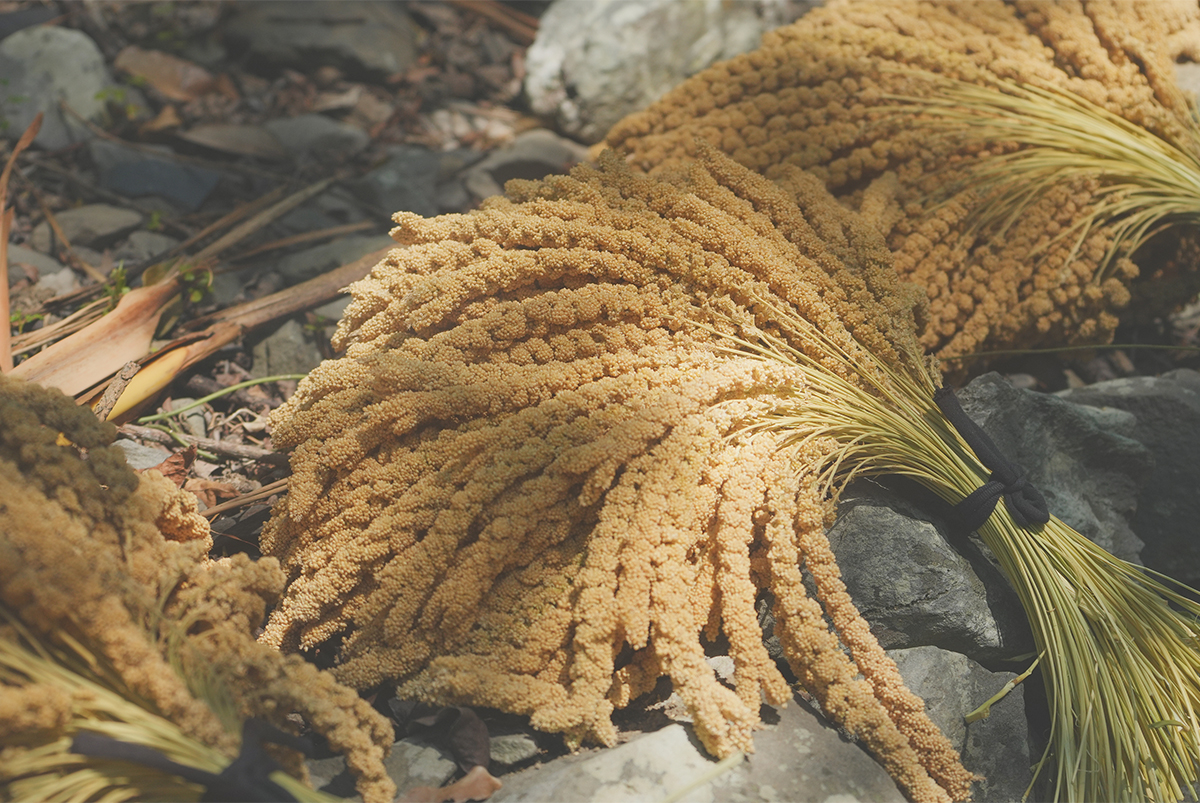 Community connection: Taking care of each other is the most beautiful spirit of village farming.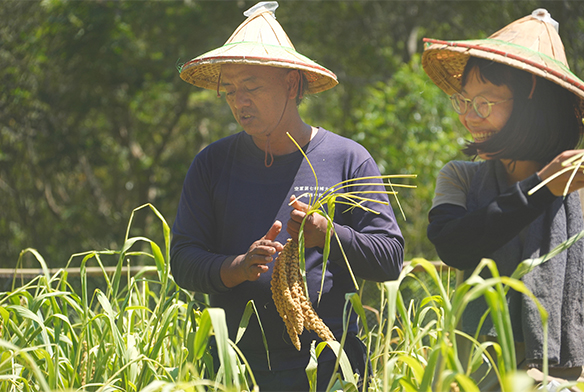
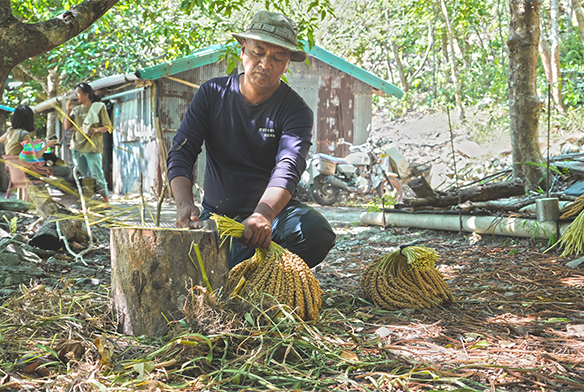
Racing Against the Storm
It was 1:30 p.m., and the sun was beating down relentlessly. Normally, this would be the last time anyone would choose to harvest millet. But this time, they had to race against time.
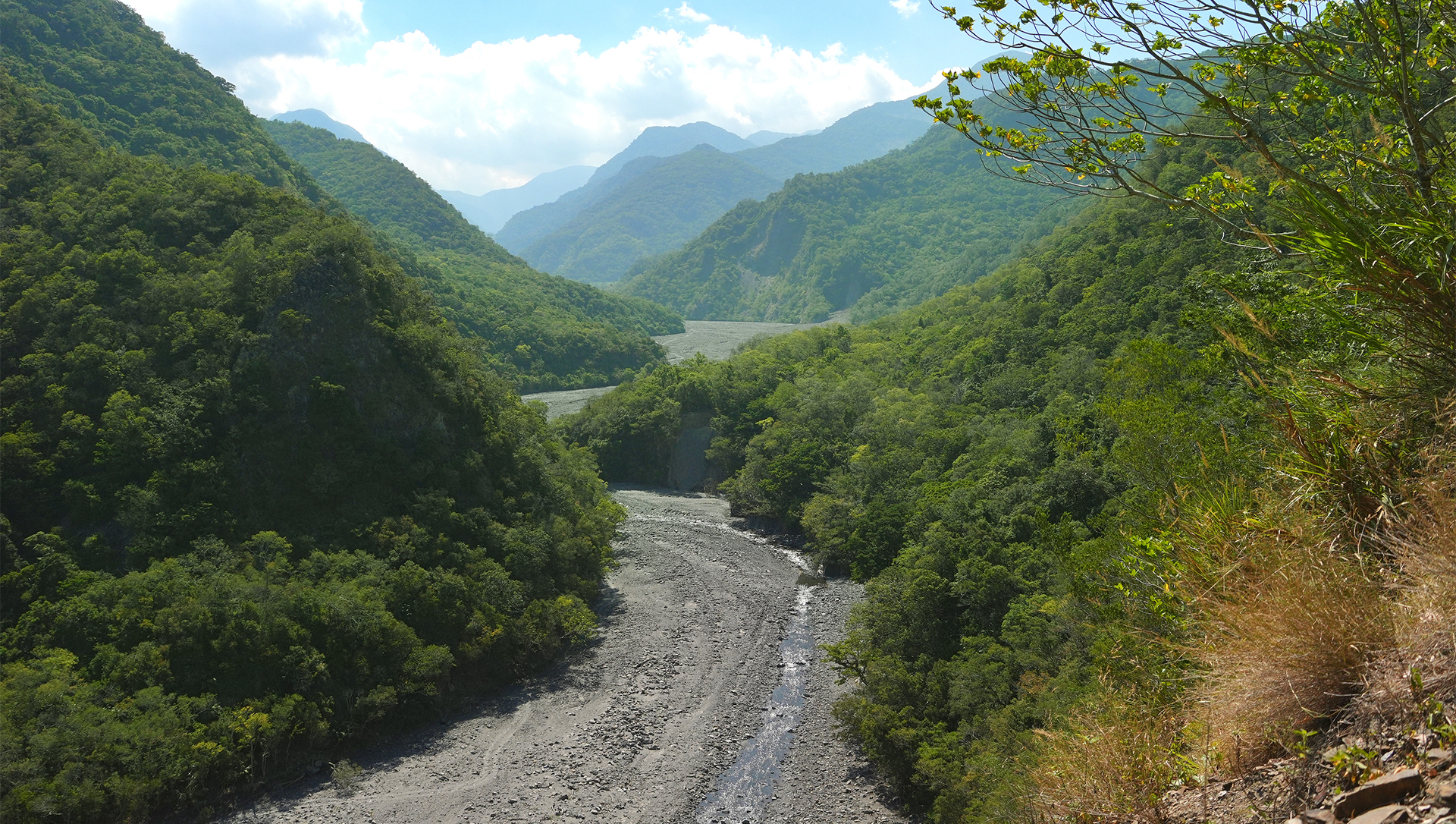
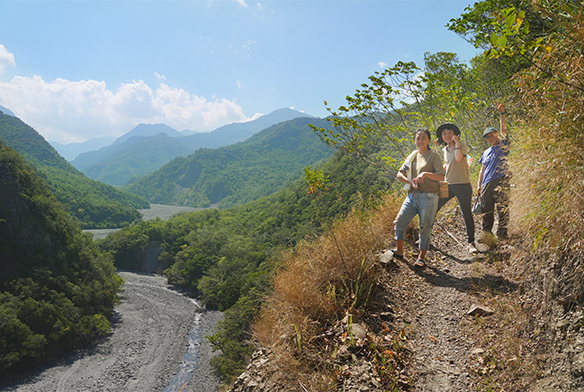
The millet field lies deep in the mountains, beyond the reach of vehicles. Lanpaw Kalijuvung rode his Wolf motorcycle straight to the field first, while his wife, Dradrivy Qaljecime, led the Tse-Xin team into the forest on foot. Even though at a brisk pace, the hike from the trailhead to the millet field takes nearly twenty minutes.
Along the way, Dradrivy Qaljecime pointed things out and shared stories:
"Someone used to live here... That was someone's old home. Later, little by little, moved to Tuban village...."
"There are also several hunting grounds deeper inside the forest ..."
When she saw large rocks blocking the path, she simply picked them up and tossed them to the side. She explained that, according to their tribal tradition, the younger people usually walk ahead to clear the way and remove obstacles, while the elders follow behind. This makes the journey smoother for everyone.
As they passed through several sections of the trail, she also reminded everyone to stay as far to the left as possible, because there were animal trails on the right where hunters might have placed traps.
Working Together as One Family
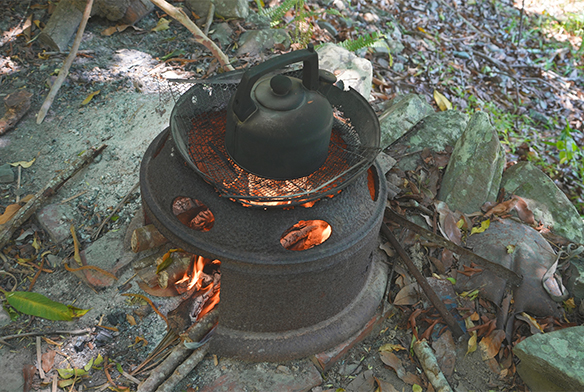
When they arrived at the work hut, the water in the kettle was already boiling. Dradrivy Qaljecime had been so busy she hadn't even had time to eat lunch yet. She first led everyone into the millet field, then simply made herself a bowl of instant noodles to fill her stomach.
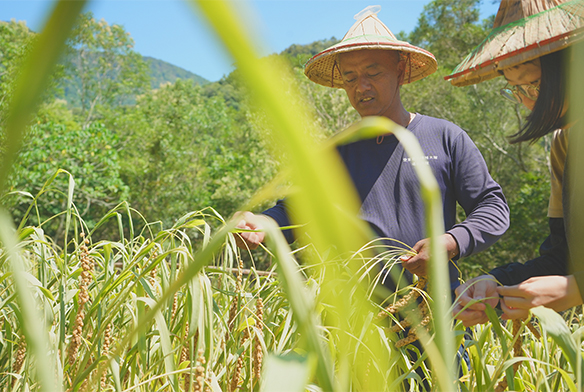
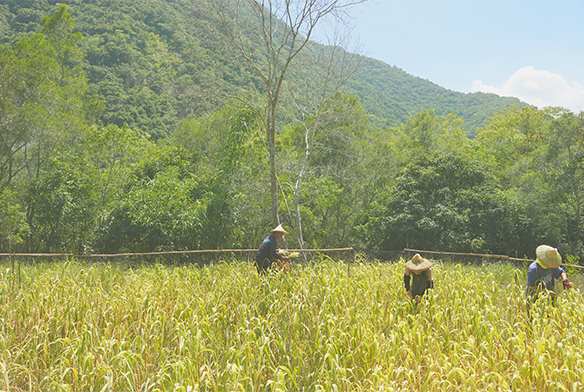
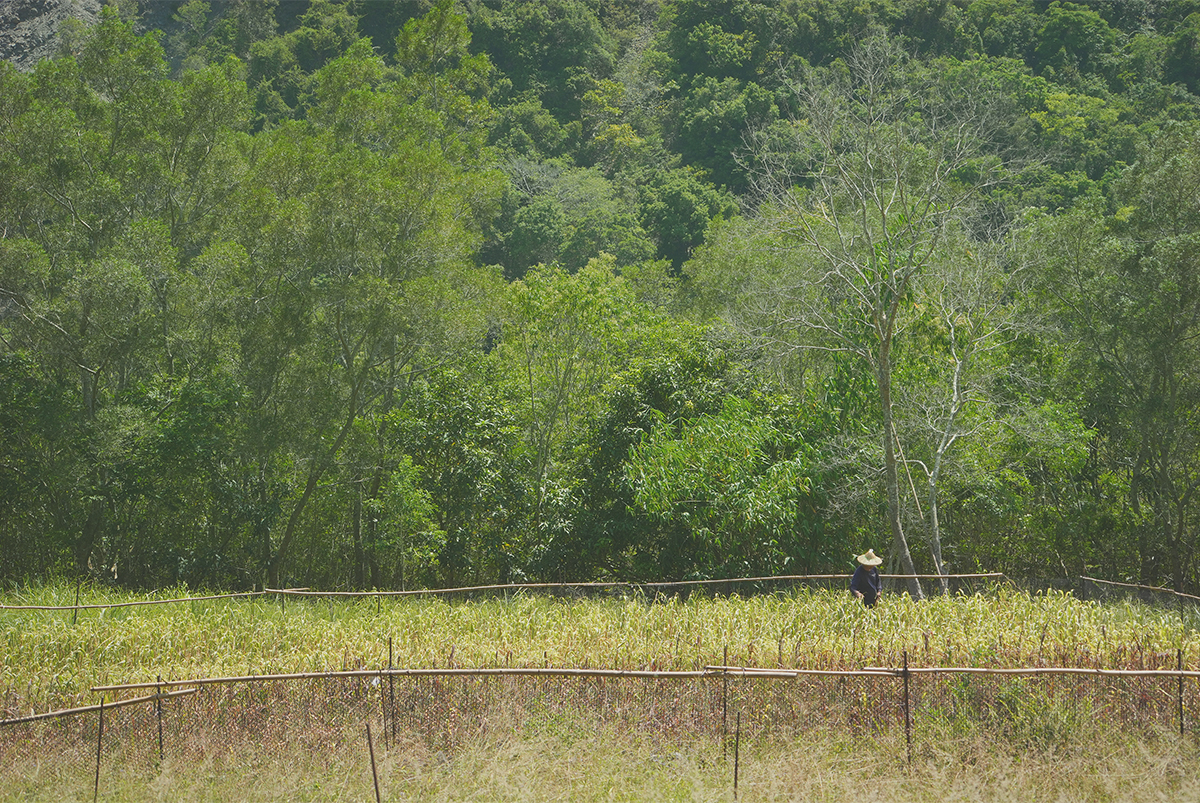
The Tse-Xin helpers put on their straw hats. After listening to Lanpaw’s brief explanation of the harvesting process, everyone immediately got to work.
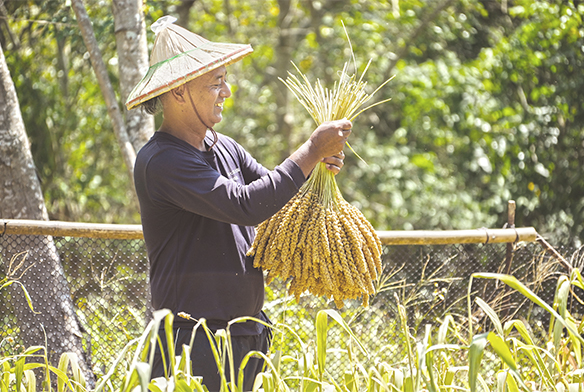
Under the blazing sun, Lanpaw Kalijuvung harvested skillfully and efficiently while reminding everyone:
"For Indigenous people, harvesting millet has always been something completed together by the whole family. It is not about competing to see who harvests faster or who gathers more."
"Everyone can harvest at their own pace. My wife and I will take care of whatever remains."
Looking after one another is the most precious spirit behind traditional Indigenous farming.
"Remember to pick up any fallen millet stalks on the ground as well!" Every single ear of millet is hard-earned.
The Truel Weight of Behind a Bowl of Millet
As the harvest came to an end, everyone headed back to the work hut. Suddenly, a barking deer darted out from the forest and disappeared in an instant among the layered shadows of the trees.
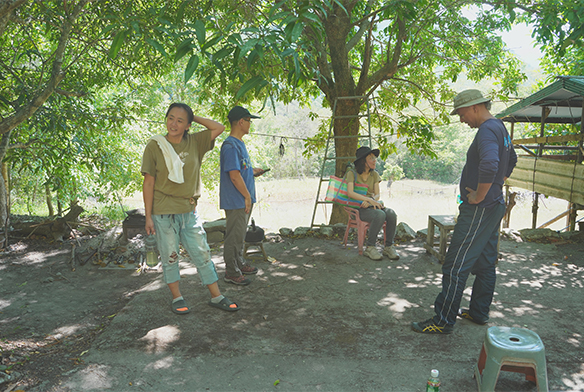
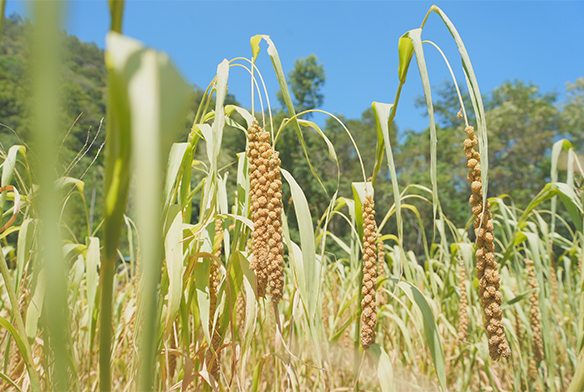
Everyone rested in the forest for a while and drank some cool water. Their clothes were drenched with sweat, yet they came to understand more deeply the weight carried by a simple bowl of millet on the dining table.
A Tse-Xin team member couldn't help but share:
"Being a farmer is truly hard work. Just spending half an hour under the scorching sun is already too much for most people. And this is nothing compared with organic and eco-friendly farming, which requires even more dedication and effort. From now on, whenever we see locally gown millet, we should wholeheartedly support it!"
Lanpaw Kalijuvung replied, "Thank you all for everything."
These words were never a courtesy. Behind the completion of every endeavor are many people who quietly shoulder the responsibilities and work together behind the scenes.