
Hi everyone! I’m Teacher Kiua.
Today, we are going to cook a traditional tribal dish together—Shake Rice!
Shake Rice is a common meal in our villages. It is usually made with millet, taro, Taiwan Quinoa, and wild greens. We share this dish during special times like the Sowing or Harvest Festivals.
In Paiwan culture, there is a special rule: you should always scoop rice from the edge of the pot and leave the center for the elders. This is our way of showing respect to our food and our seniors.
We must cherish everything we have.
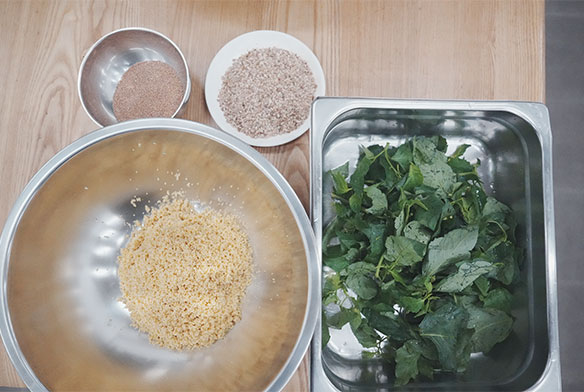 Shake Rice is a tribal staple made with millet, taro, and Taiwan Quinoa.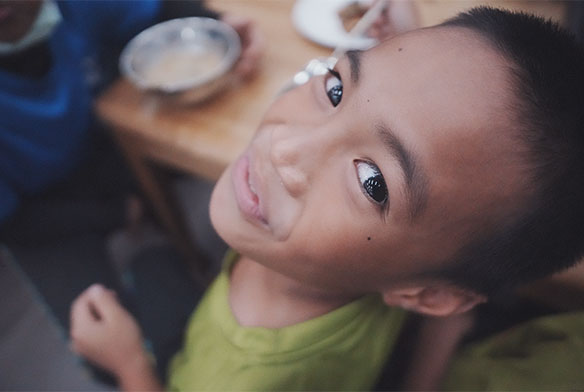
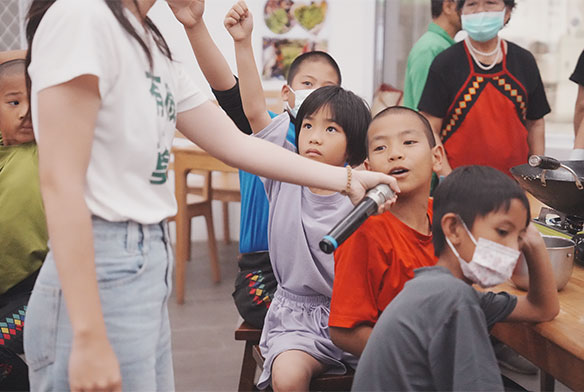
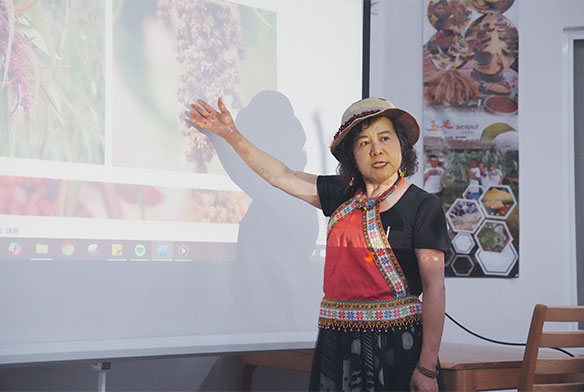 Taiwan Quinoa is amazing—every part of the plant can be used!
The Star of the Show: Taiwan Quinoa
Look at this plant in my hand! I grew this Taiwan Quinoa myself. People call it the "Red Ruby" because it shines like a bright red gem. It is one of Taitung’s three treasures and a very important crop for indigenous people.
Every part of this plant is useful:
The flowers are beautiful.
The leaves are edible.
The seeds are both pretty and nutritious!
It’s a superfood! It has more protein and fiber than white rice. Besides Shake Rice, we use it to make cookies, cakes, and soup. For us, it is the taste of home.
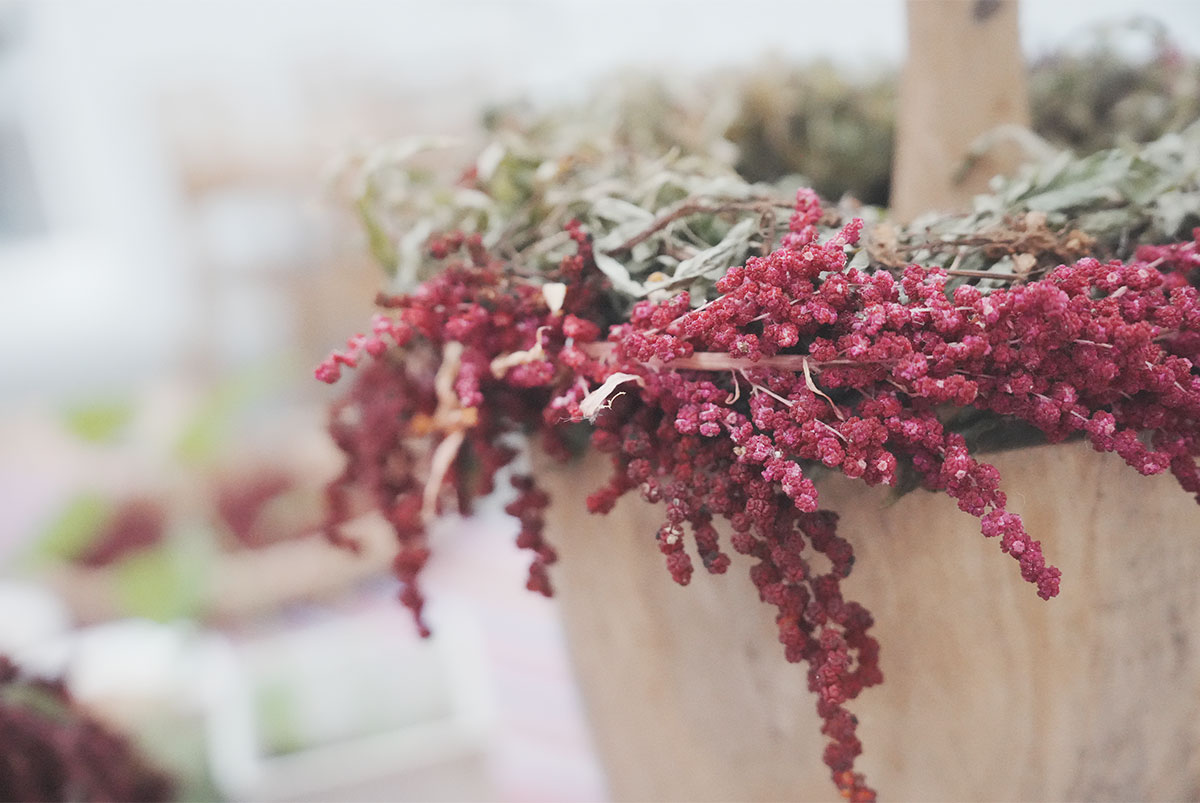 Known as the "Red Ruby," Taiwan Quinoa is a treasure of Taitung.
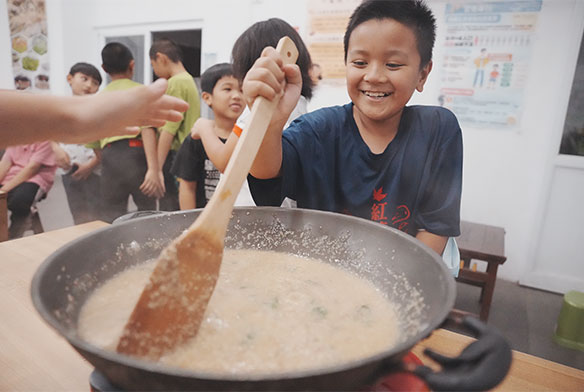
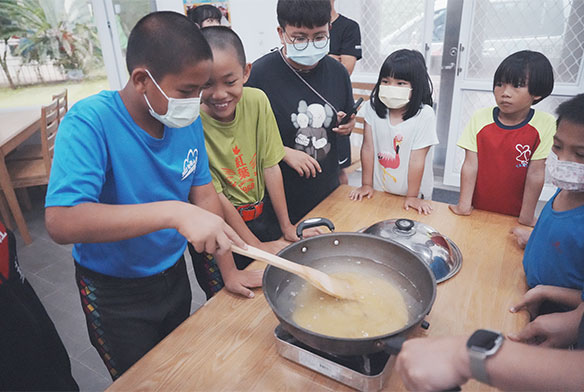 Don't stop! <br>Keep stirring the pot to make the perfect Shake Rice.
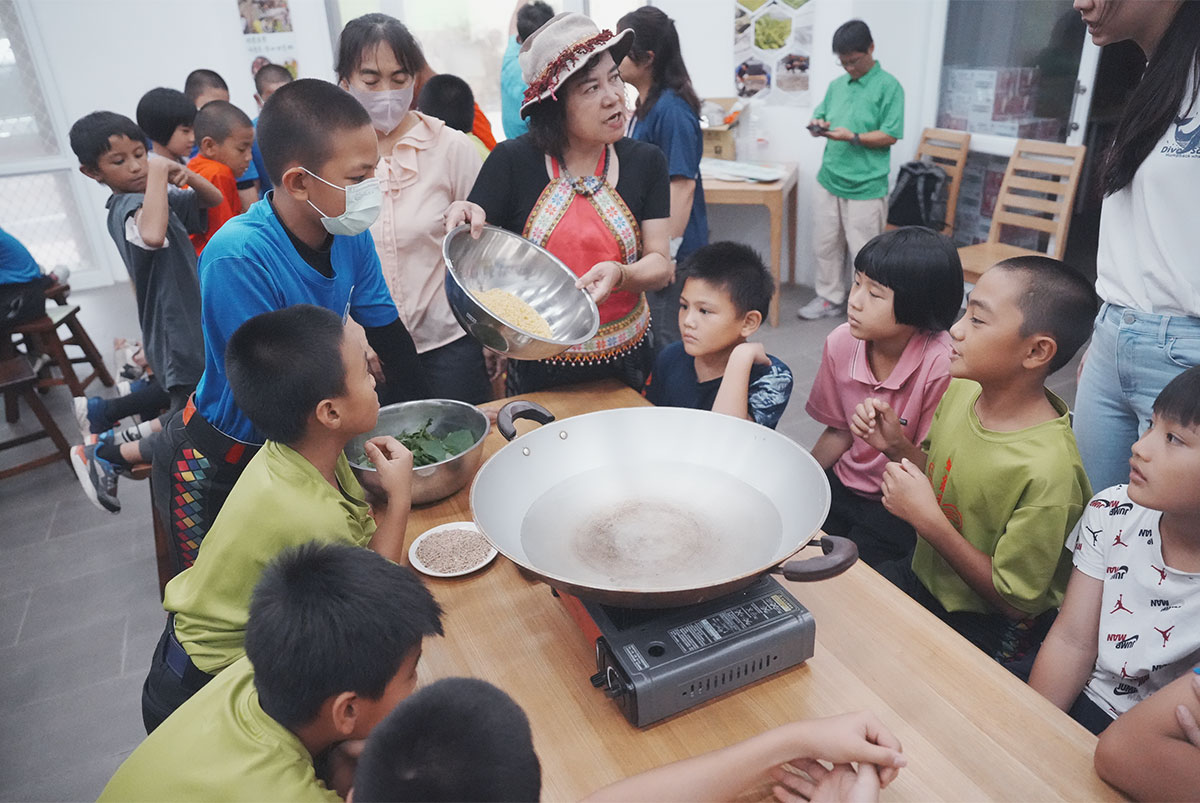
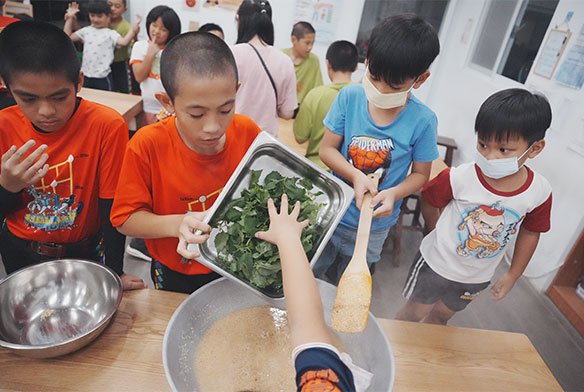
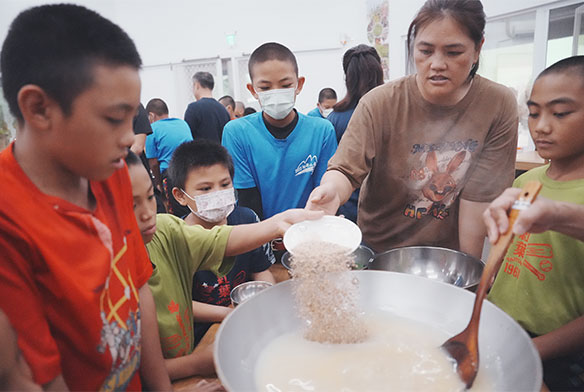
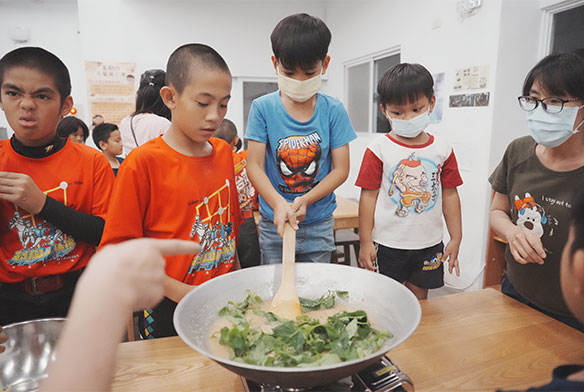 The children take turns stirring the heavy pot with big spoons.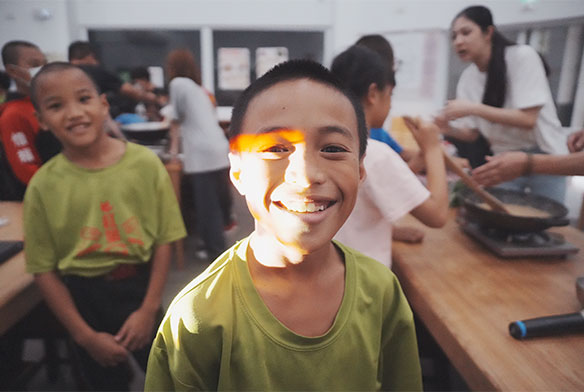
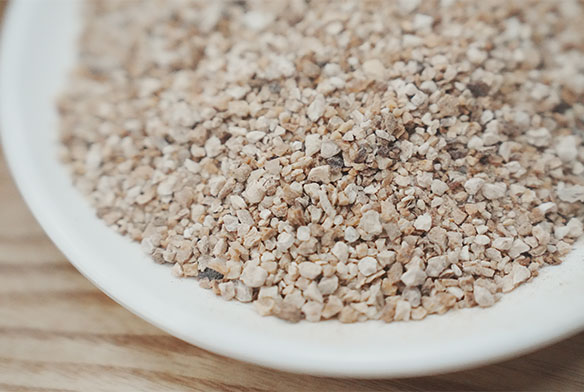 Taro Powder: A gift made through patience and hard work.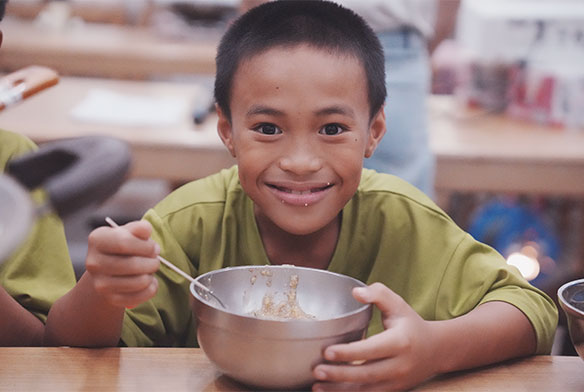
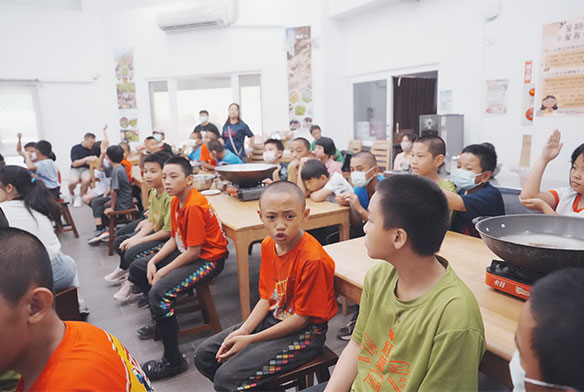
Let’s Get Cooking!
Step 1: Boil the water. Once you see bubbles, pour in the millet.
Step 2: Now, start "shaking"—which means stirring! You must keep stirring and never stop.
The children take turns holding the big spoon. They stir hard, even with sweat on their foreheads. No one stops.
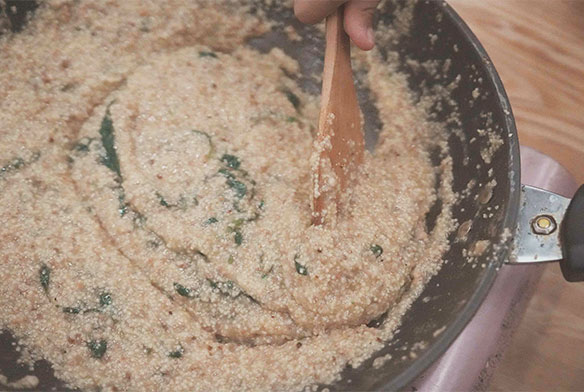
Step 3: When the millet is almost cooked and the grains start to pop open, add the Taiwan Quinoa and taro powder. Keep stirring!
Step 4: Once the mixture becomes thick and sticky, throw in the wild greens.
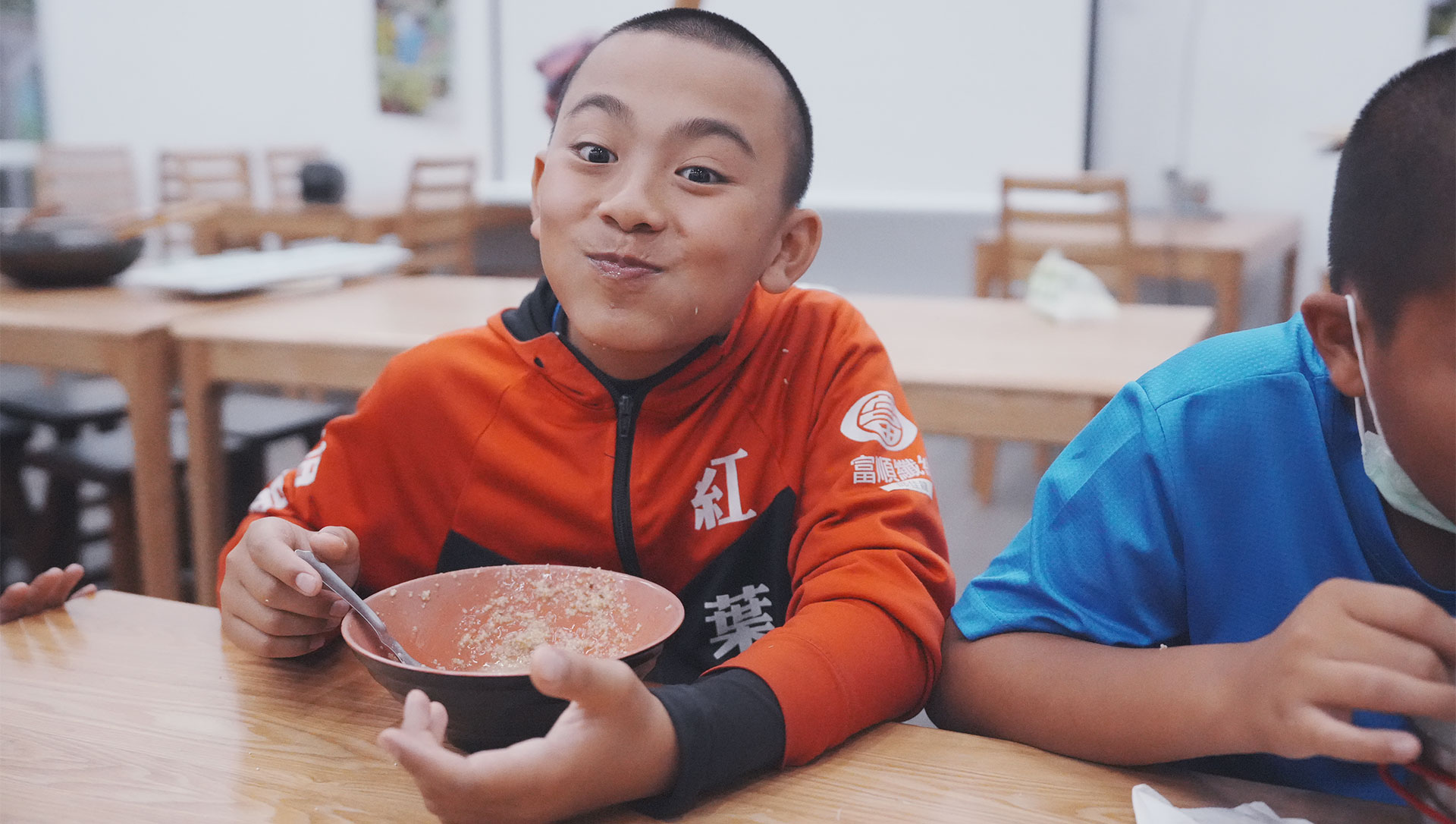
Mmm! The whole room smells amazing!
Where is the Salt?
The children take a bite, but they look confused.
"Teacher, why does it have no taste?"
I laugh and tell them, "Because there’s no salt!"
Long ago, our ancestors lived high in the mountains far from the sea. They didn't have bags of salt. Instead, they used the fruit of the Rhus chinensis (Salt Tree). The fruit has white salt crystals on the skin. Our ancestors were so wise to find seasoning in nature!
Today, we usually eat Shake Rice with fermented tofu or salty fish to make it extra delicious.
The Secret of Taro Powder
Remember the taro powder we added? It takes a lot of hard work to make.
We use a "Taro Kiln" to dry the taro slowly. You have to watch the fire all night without sleeping! After the taro is dried and cooled, we grind it into powder. This one spoonful of powder represents hours of love and hard work.
Heart and Culture
Every grain of millet and quinoa carries the wisdom and blessings of our ancestors. Every time we stir and every bite we take, we remember who we are and where we come from.
Culture isn't just something in a history book. It is in your hands, your mouth, and your memories. This bowl of Shake Rice is a bridge that connects our past to our future.
That is the most important lesson for today.
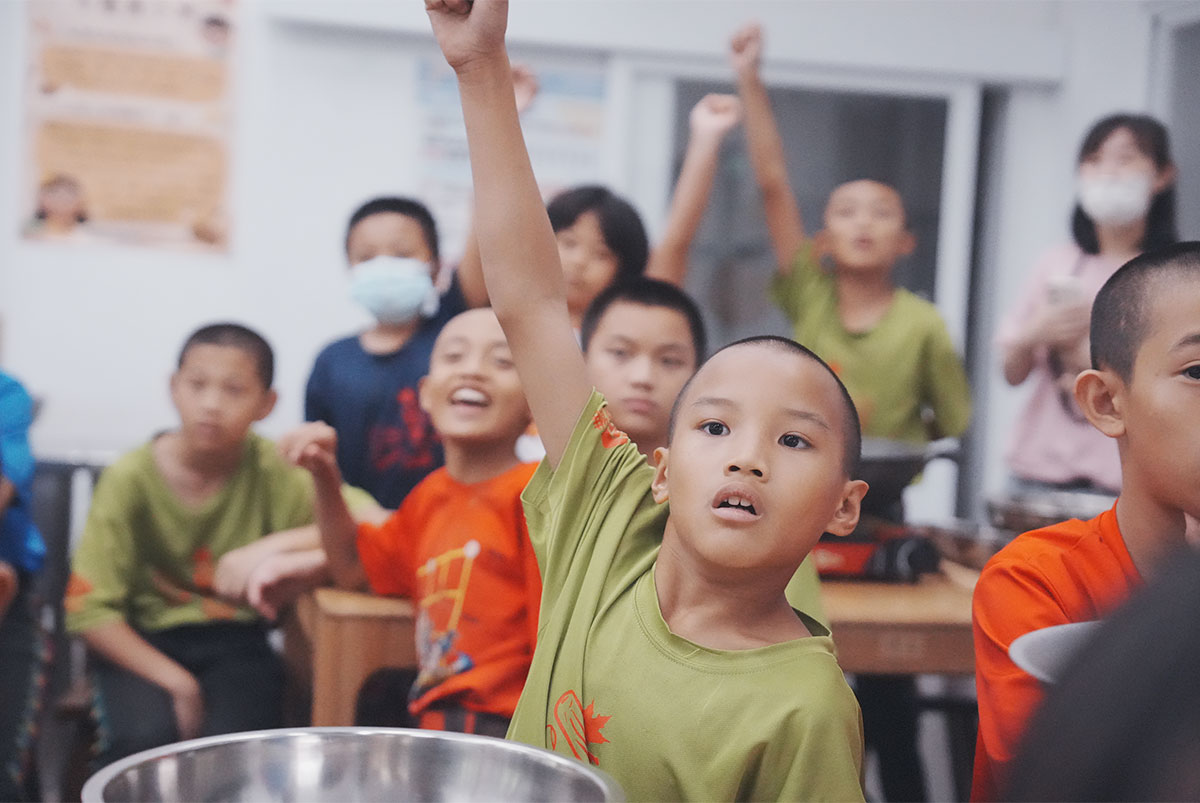
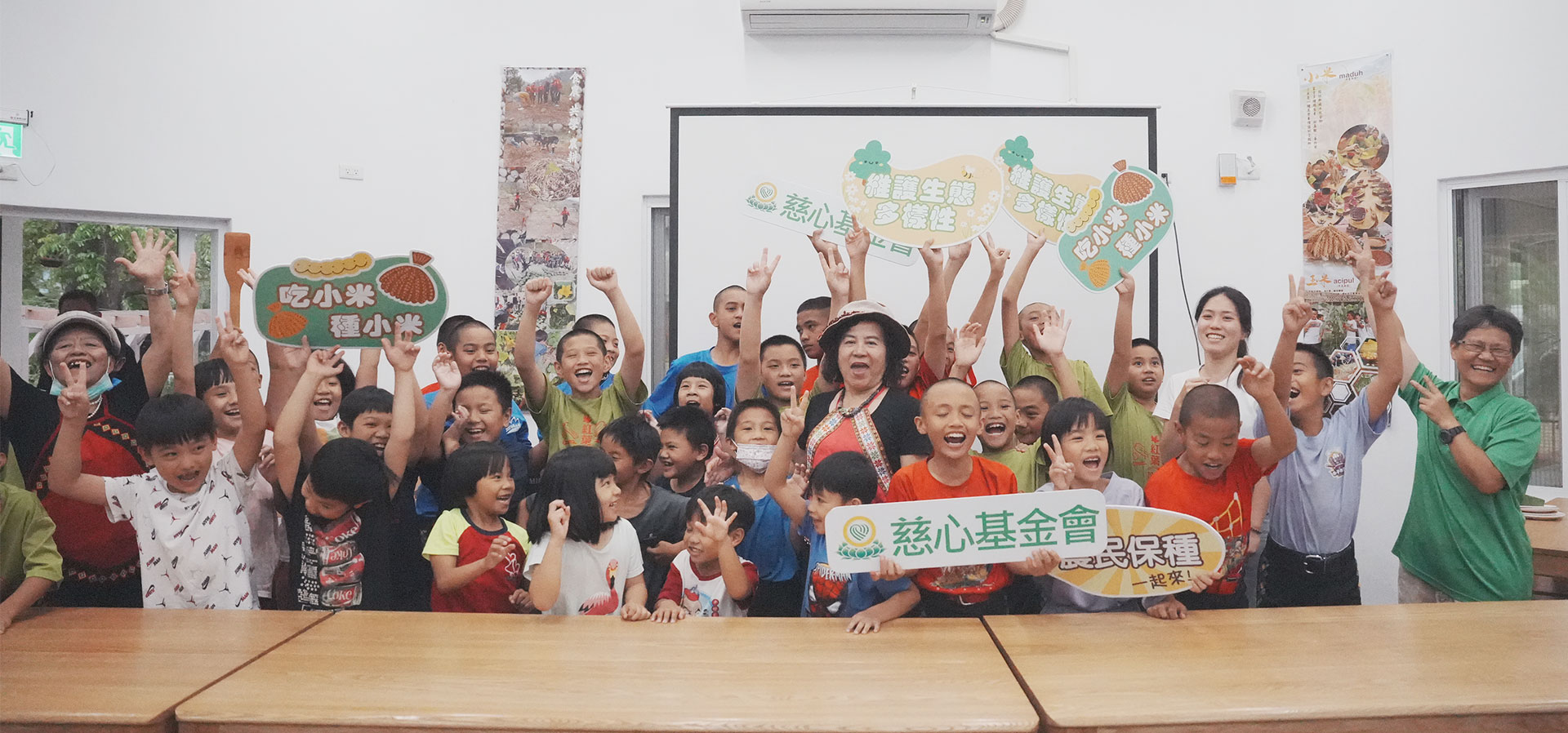
🌾 Let millet continue to take root on the hillsides—and sprout in the hearts of our children.
Through the “Millet in Schools” initiative, the Tse-Xin Foundation invites companies and all caring individuals to join us.
Let’s help children eat with awareness, and let their taste buds remember the flavor of this land.
👉 Support the Millet in Schools Initiative: https://forms.gle/uMB1Ncb6Fi7nZJAP8
👉 Contact: Director Chien Yu-Chuan, Tse-Xin Hualien–Taitung Office
Email: Email住址會使用灌水程式保護機制。你需要啟動Javascript才能觀看它
📽️ Millet in Schools Video: https://youtu.be/3nI2_5EdMQI?si=eQOBJ5jSz19d5Bhp