

Wait—didn’t the Slow Food Festival already end?
Then why are these beautifully arranged tables before us,
each one so lovely that you almost hesitate to pick up your chopsticks?
# Aesthetic Education Happening on Campus
Before the winter break, Xinyuan Elementary School in Taitung welcomed a class that gently slowed everyone’s breathing—thanks to the strong support of the school principal.
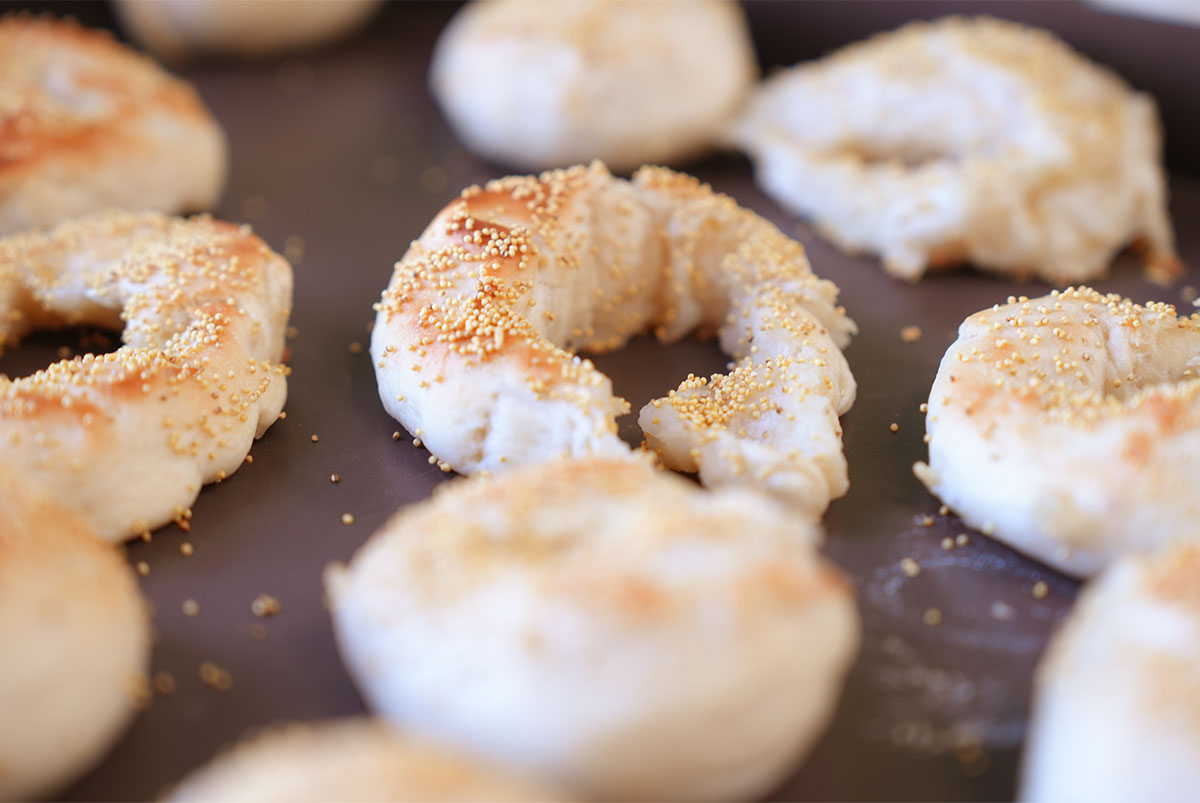
Chef Hsieh Cheng-Yi from LI.KA CAFE, together with the children, made millet bagels,
and even added a special bonus class—the art of table aesthetics.
“How we treat the land matters deeply to me.” Chef Cheng-Yi shared this at the very beginning.
Finding gentle, sustainable ways to interact with the land,
reducing unnecessary waste and consumption—
these are not slogans,
but daily choices we make again and again.
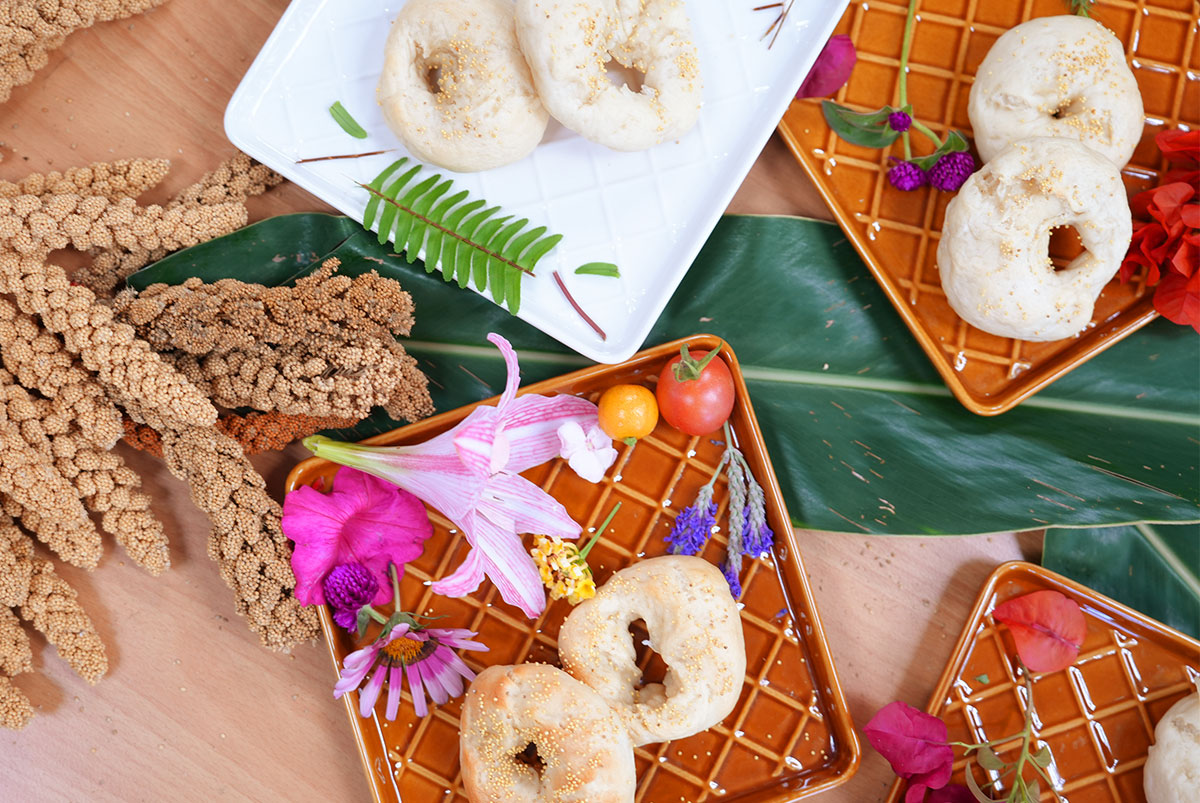 We often think that aesthetics are something distant. <br>But in fact, beauty lives in our everyday lives— <br>right there on our dining tables.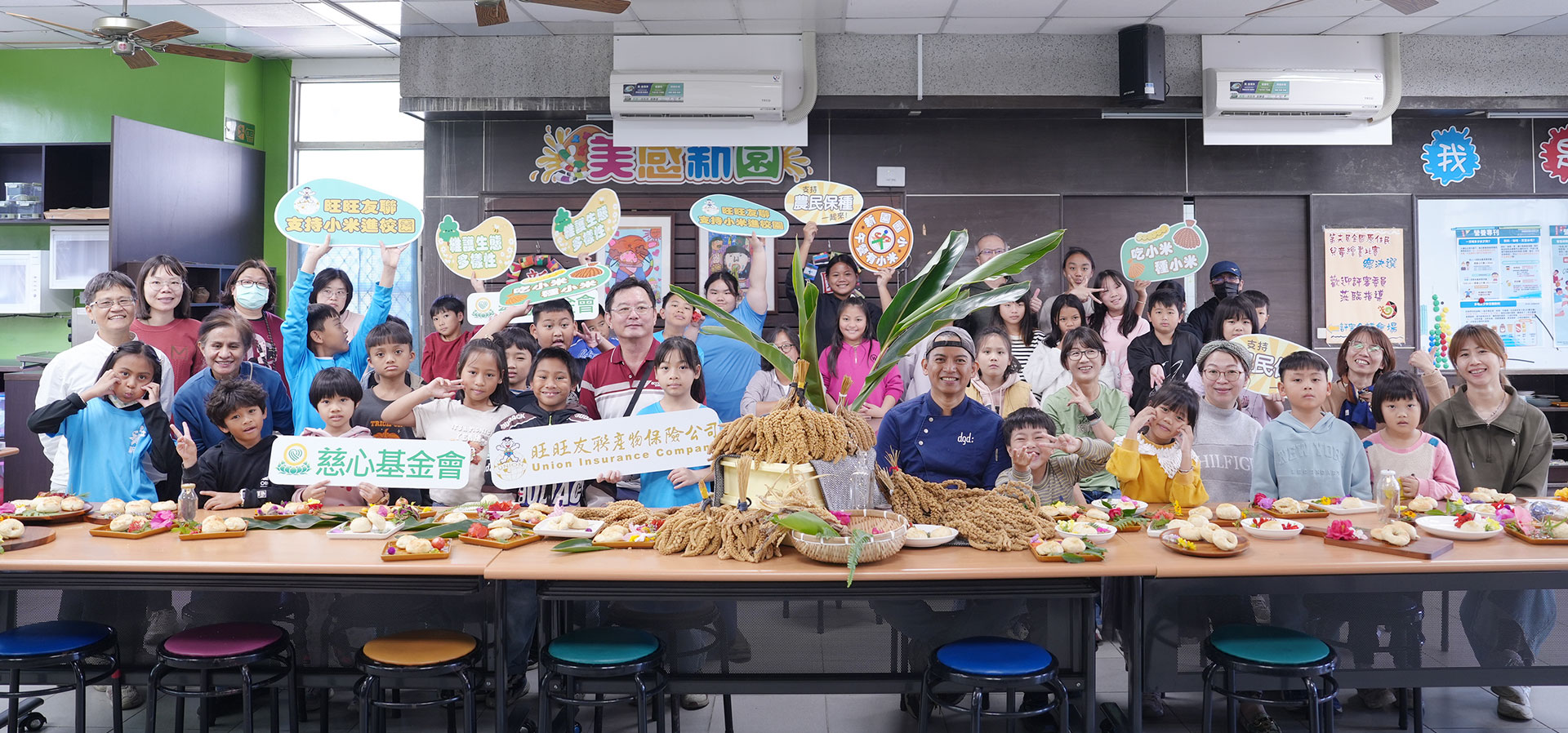
Just as no two bagels turn out exactly the same,every aesthetic plate is unique.
What matters is not sameness,but whether you allow yourself to feel a connection to the land through the process of arranging.
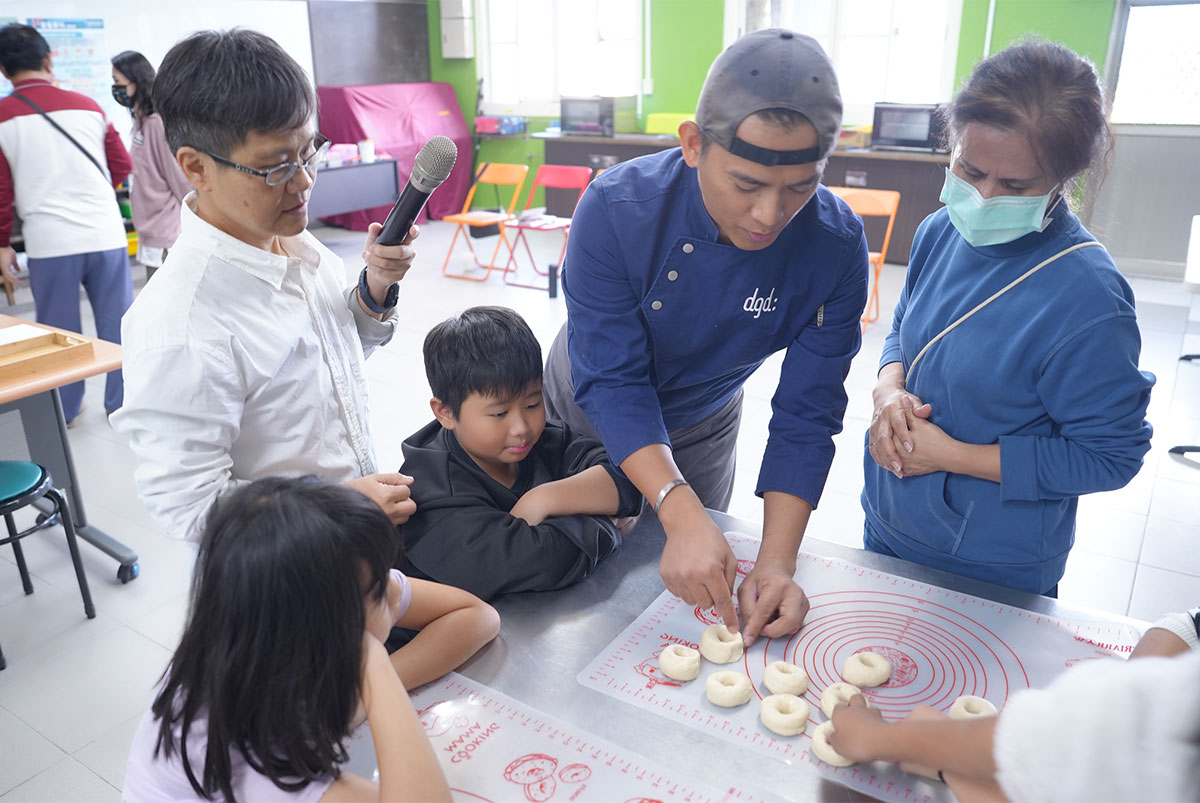 Bagel shaping
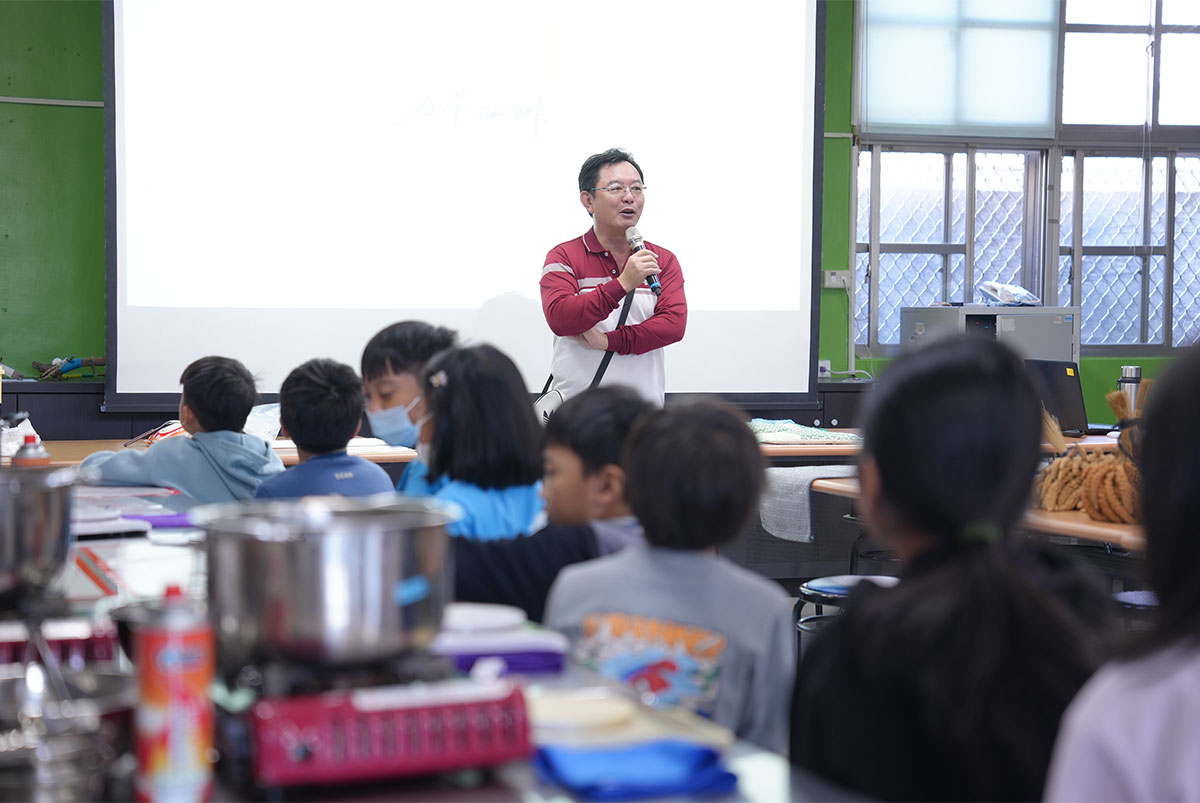 Thanks to the strong support of the school principal, <br>the campus welcomed a class so beautiful that it gently slowed everyone’s breathing.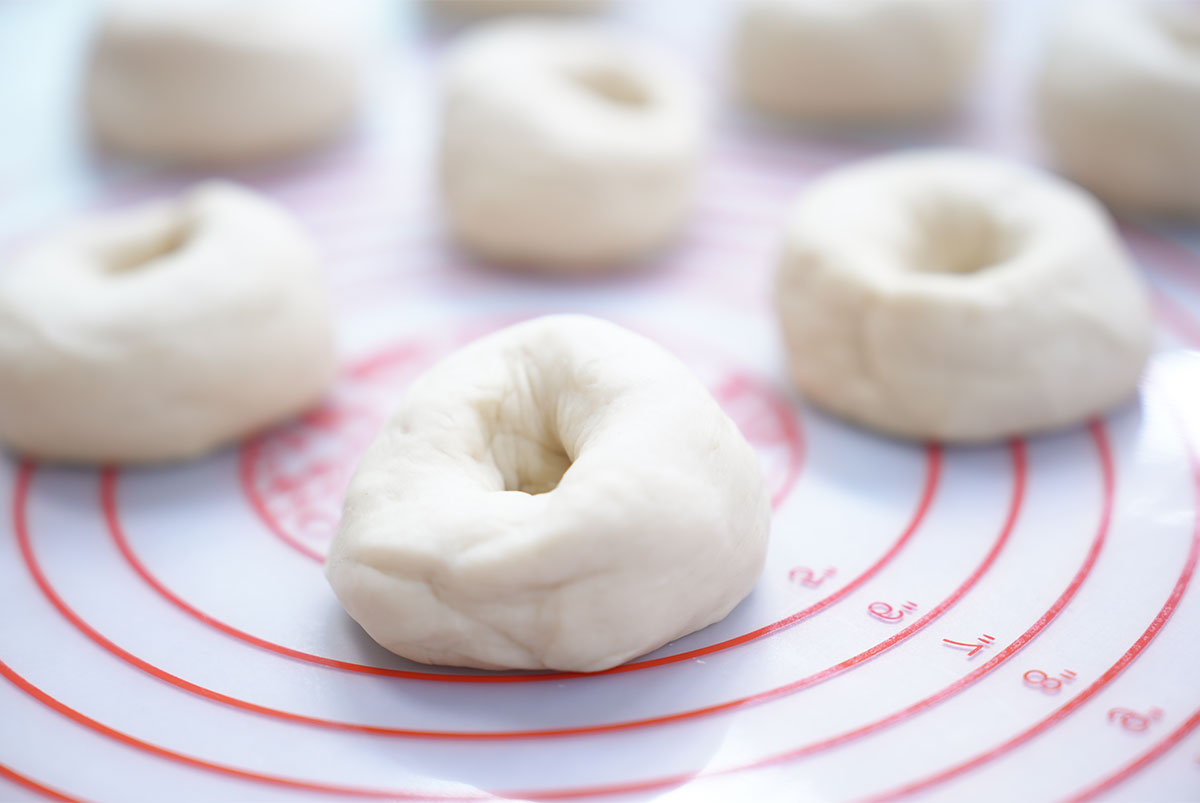
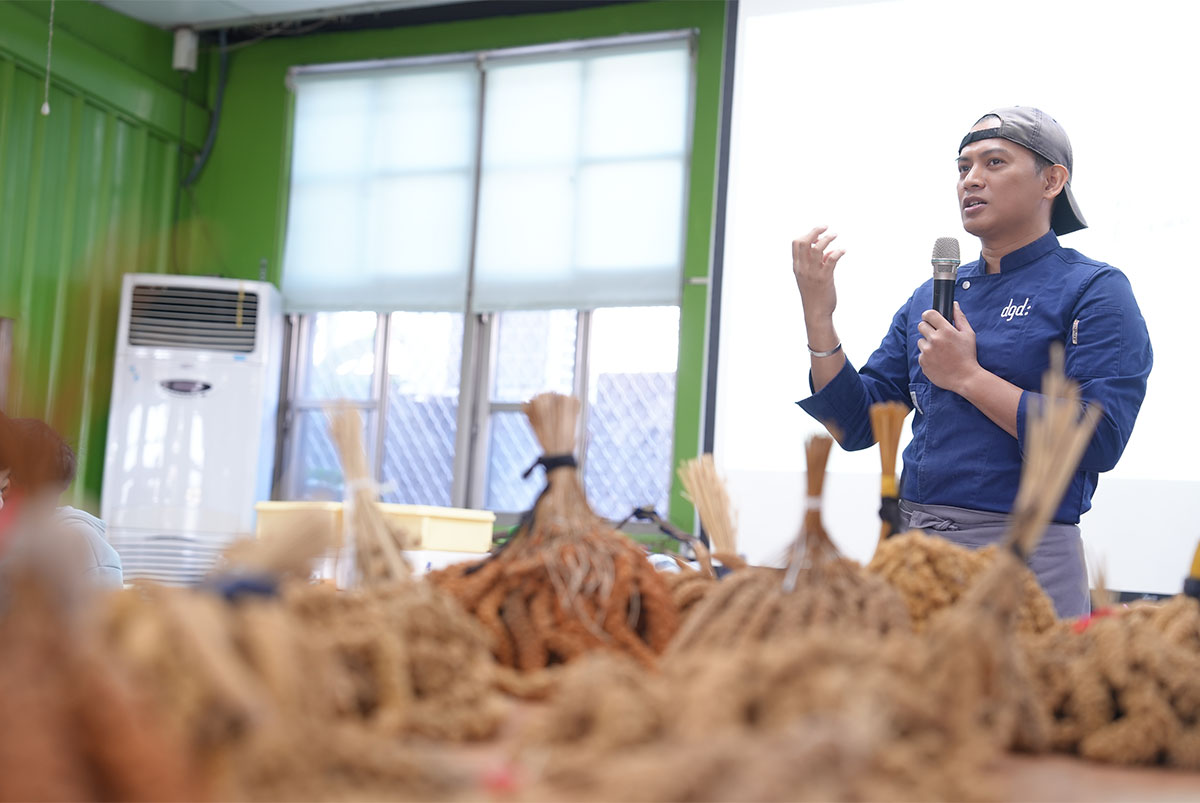 “How we treat the land is deeply important to me,” <br>Chef Cheng-Yi shared.
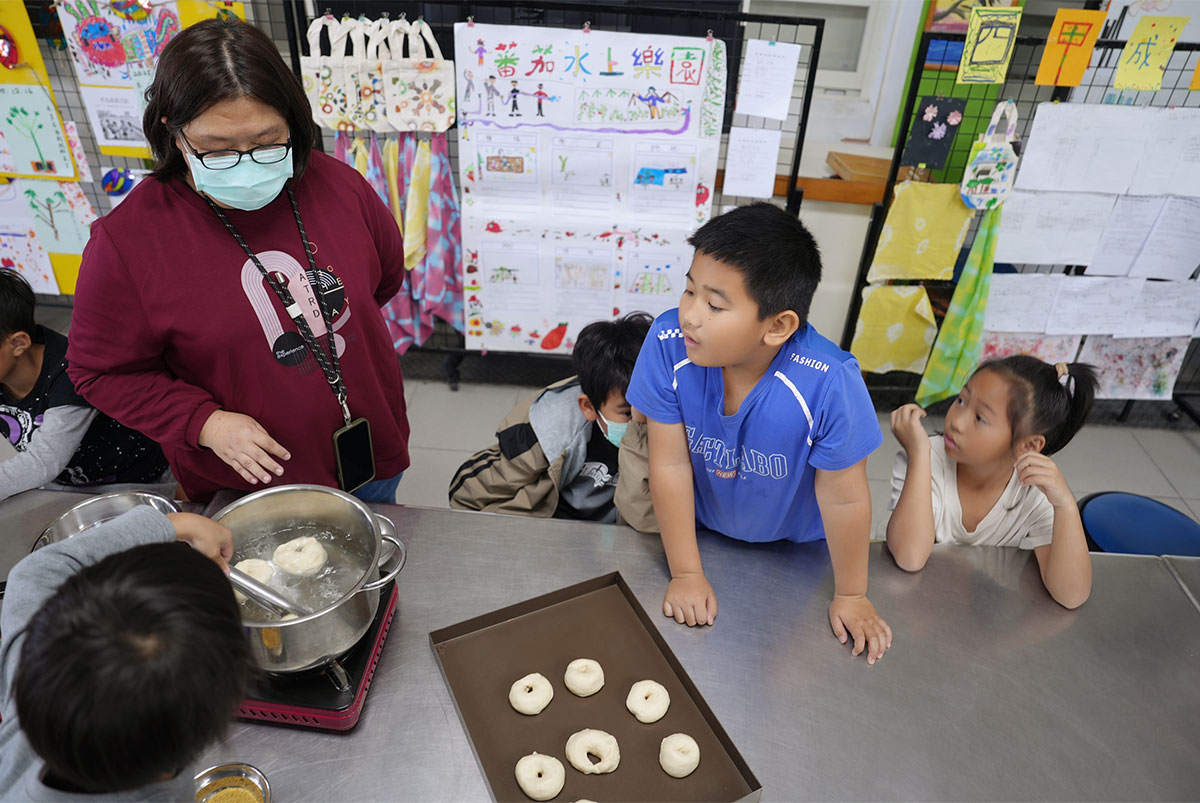 Boiling the bagels briefly gelatinizes the surface starch, <br>creating a chewy crust after baking while locking moisture inside.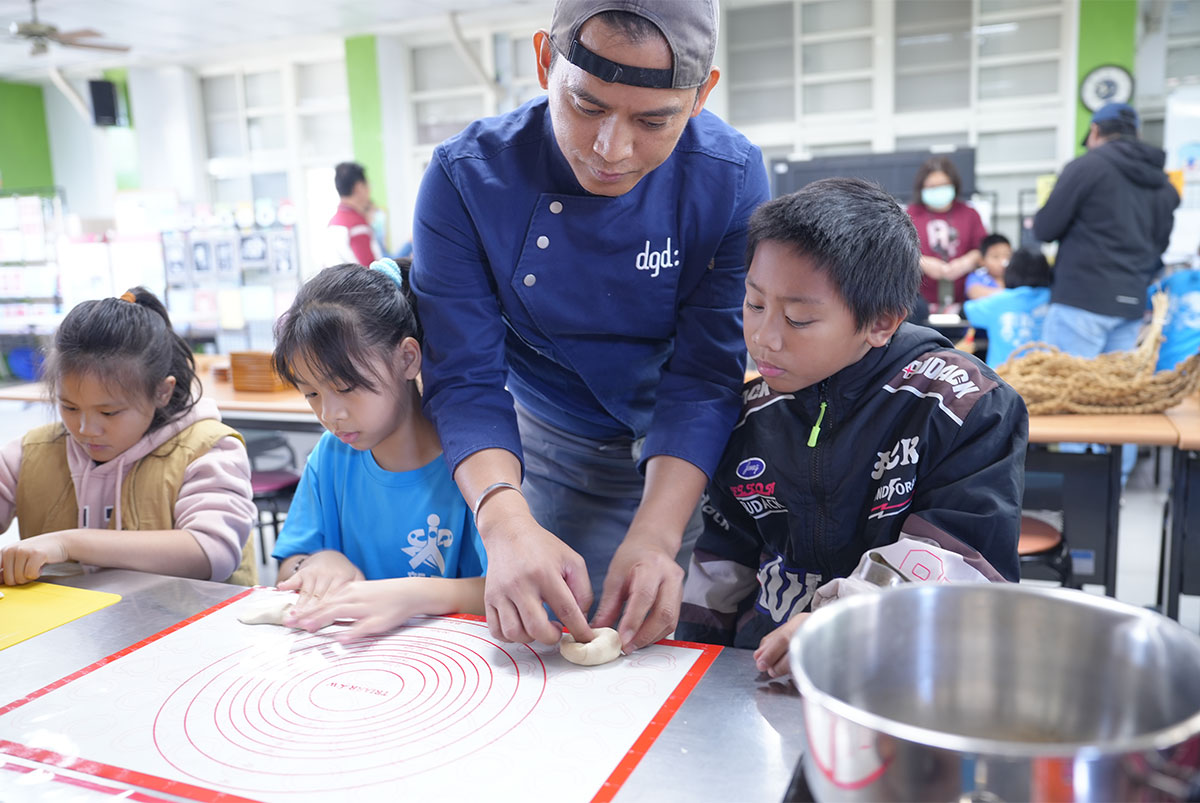
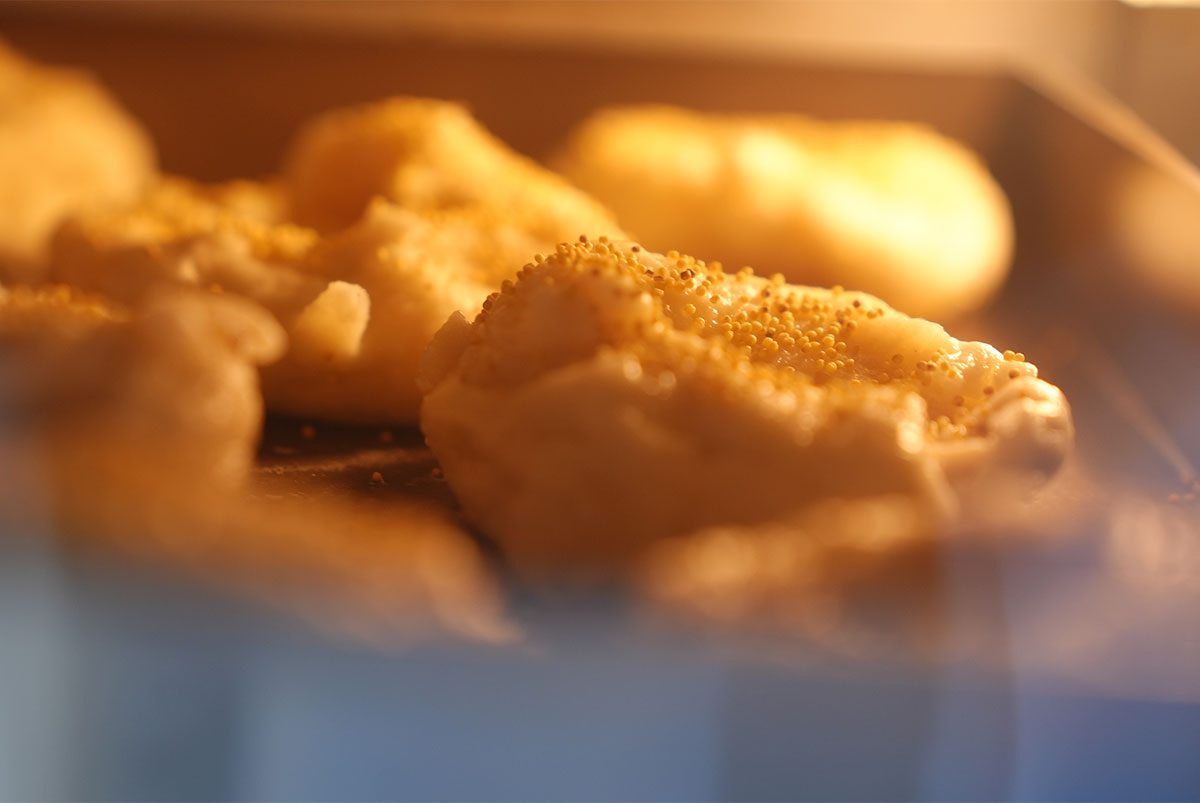
 Before going into the oven, <br>the bagels are sprinkled with a thin layer of friendly-farmed millet.
# Aesthetics Are Actually Very Close to Us
We often think that aesthetics are something distant or unattainable.
But in truth, beauty lives in our everyday lives—
right there on our dining tables.
The aesthetics of daily life have always existed in our tribe.
From the millet harvest season, the millet stalks bundled together are already beautiful in themselves.
We are simply returning that original beauty to the table.
In the community, millet is a precious ingredient.
It appears only on important occasions or when welcoming honored guests.
From dehusking and grinding to cooking, it takes a great deal of time and effort.
That’s why dishes like millet dumplings are, for many families, enjoyed only during special festivals.
Everyday Ingredients Can Become Landscapes
In the community, ingredients such as taro, pumpkin, sweet potato, and chayote are part of everyday life.
By simply changing how they are arranged,
ordinary foods can look more abundant, layered, and full of life.
# Wrapping Our Intentions with Plants
When taking food to go, moon peach leaves can be used to gently wrap the food.
Add a few small flowers, tung leaves, or other plants,
and the entire scene instantly softens.
Banana leaves are another example.
In the community, they are usually used only when hosting honored guests,
because bananas symbolize respect toward visitors.
# Plant Gathering Is Also a Form of Learning
Leaves like moon peach, or different flowers and plants,
can often be found right on campus—along corridors or in corners.
The key is not to gather a lot,
but to take just enough, to cherish, and not to waste.
Extra flowers can be placed around the edges of plates or on the table,
allowing the entire table to become beautiful together.
We often tell children that there is no single correct answer to aesthetics.
Just like every bagel turns out differently,
every aesthetic table setting is unique.
What matters is not sameness,
but whether you allow yourself to feel the connection to the land
during the process of arranging.
# From the Table, Back to the Land
Through table aesthetics, we slowly learn that:
the taste of food comes from the land;
and the flavor of the land
is a gift returned to us
when people treat it with care.
Supporting friendly or organic farming,
carrying a reusable cup—
these are all ways of standing alongside the land.
A beautiful table is not just about appearance;
it’s about inviting people to sit down, slow down,
and truly enjoy a meal.
# A Moment That Never Leaves My Heart
Whenever I think of my mother,
kneeling on the ground harvesting peanuts in the early days,
that image remains deeply etched in my heart.
That is why I have always insisted on farming without chemical pesticides.
I would rather spend more time and rely on manual labor.
Because these are things we put into our bodies.
I have always believed that
friendly and organic farming
is the best way to care for both people and the land.
Finally, our heartfelt thanks to
Wang Wang Friendly Insurance
for sponsoring this event.
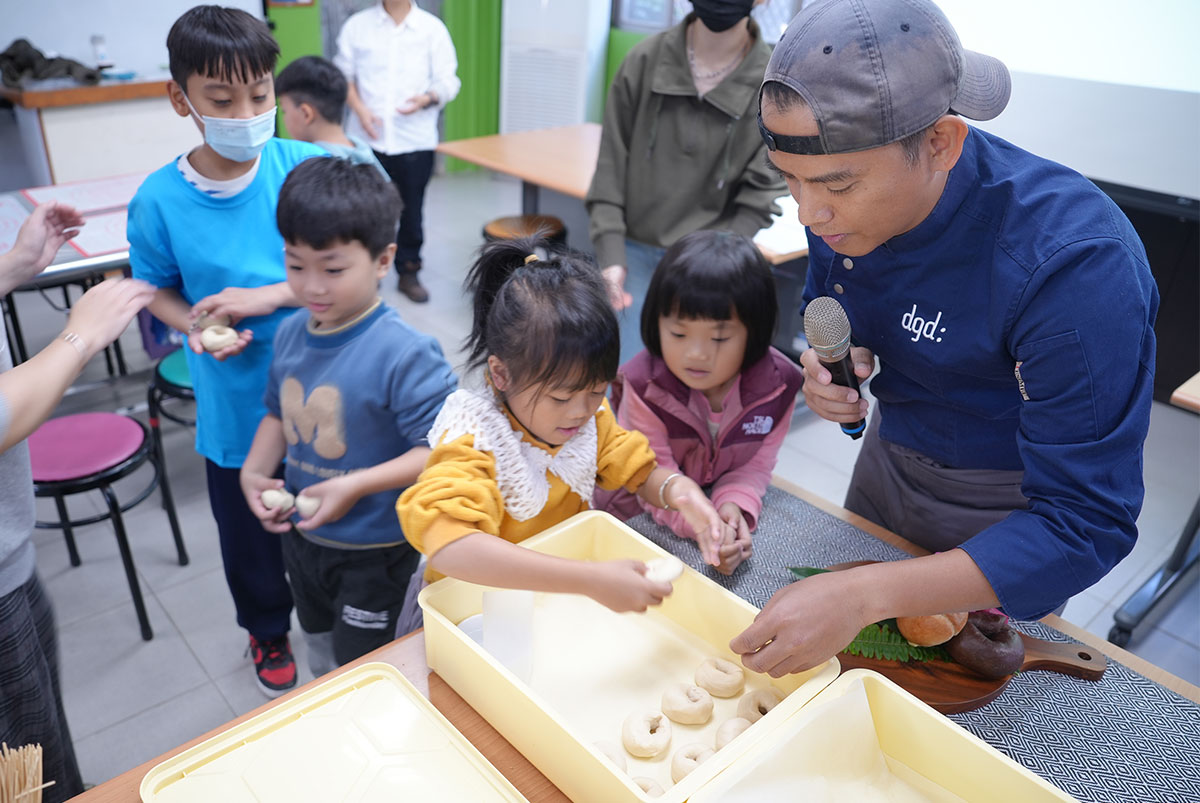 Bagels after shaping and fermentation
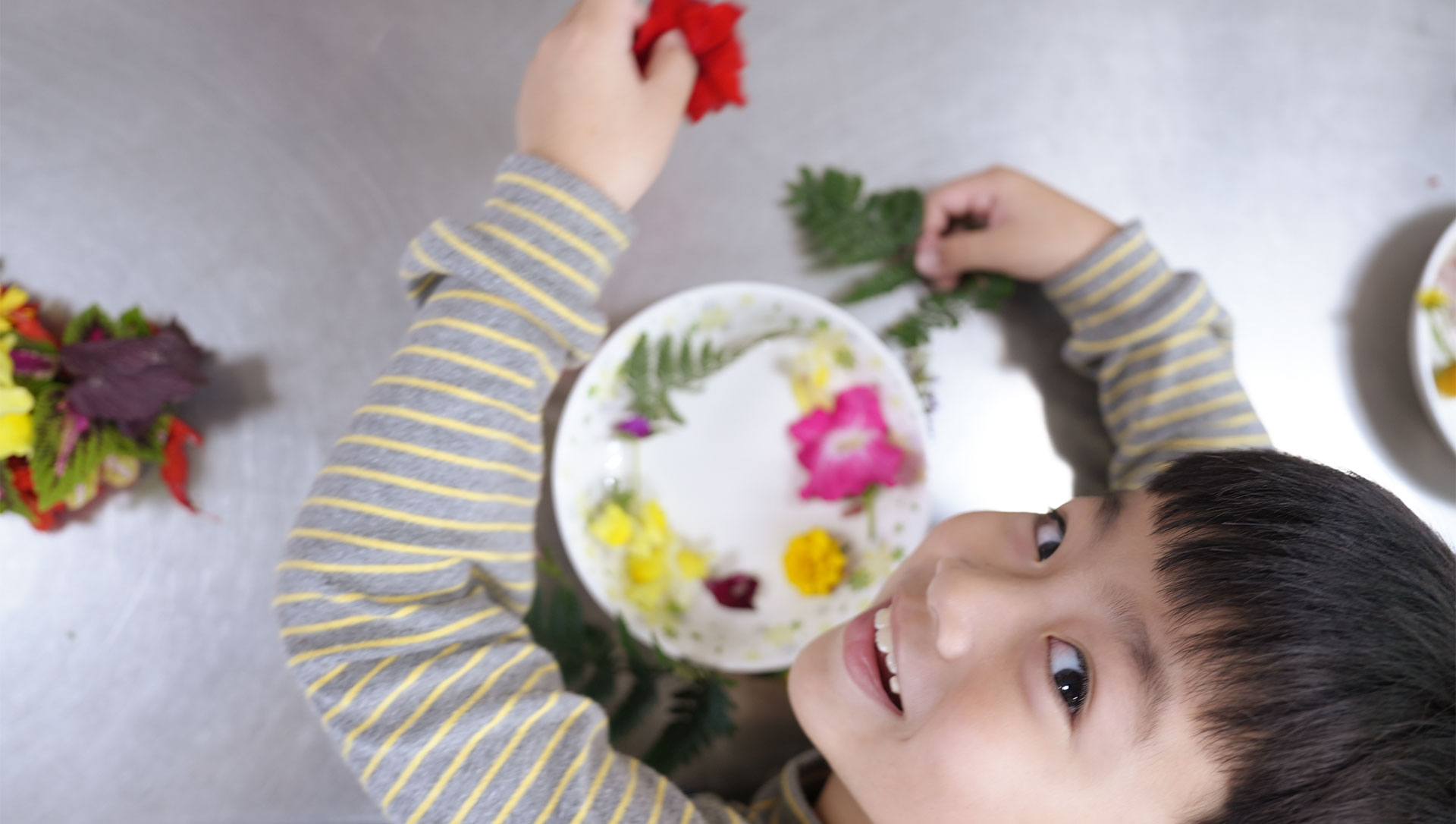
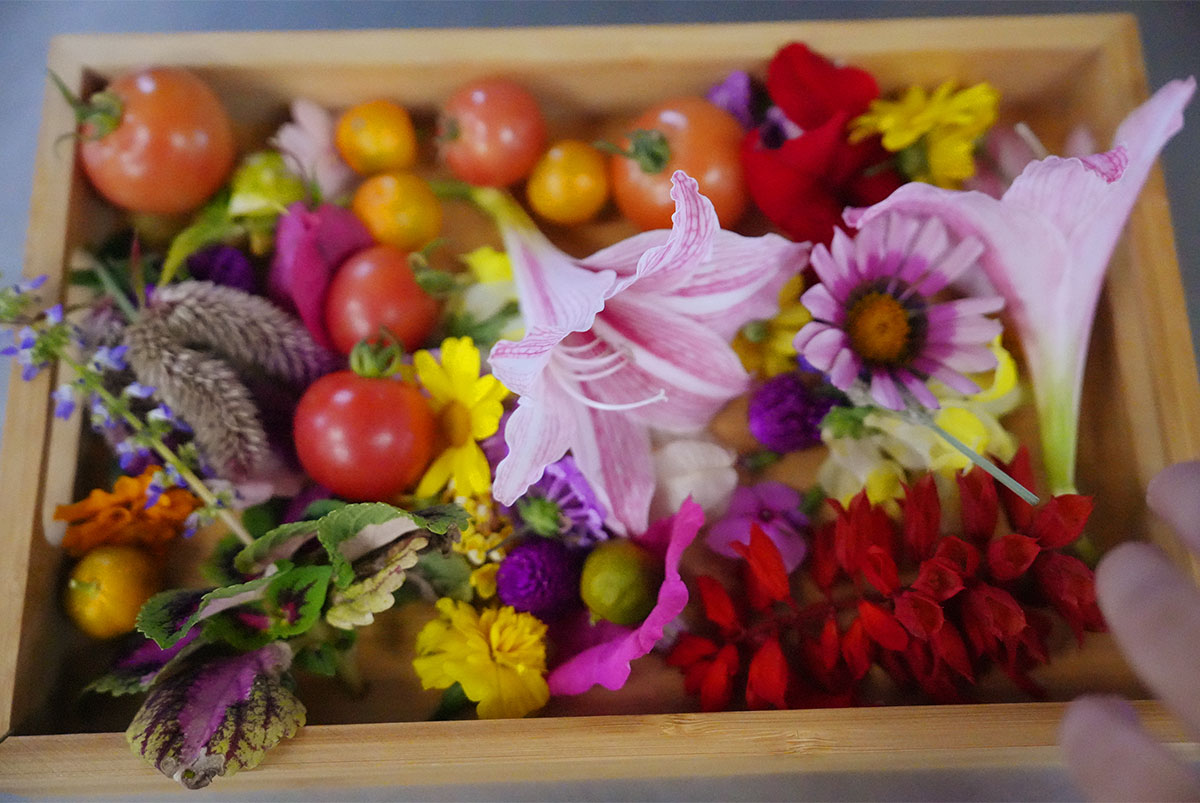 Plant gathering: <br>many leaves and flowers can be found right on campus—<br>along corridors or in quiet corners. <br>The key is not to gather a lot, <br>but to take just enough, to cherish, and not to waste.
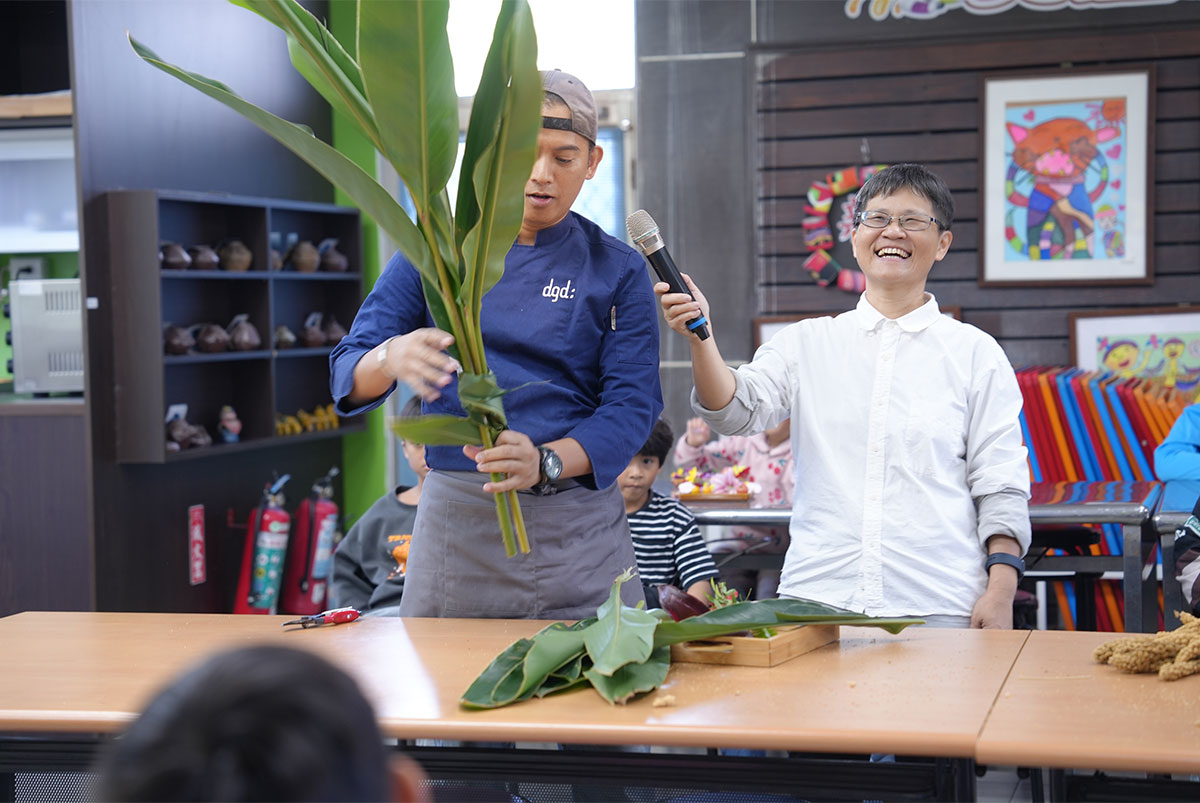 The aesthetics of everyday life have always existed in our community.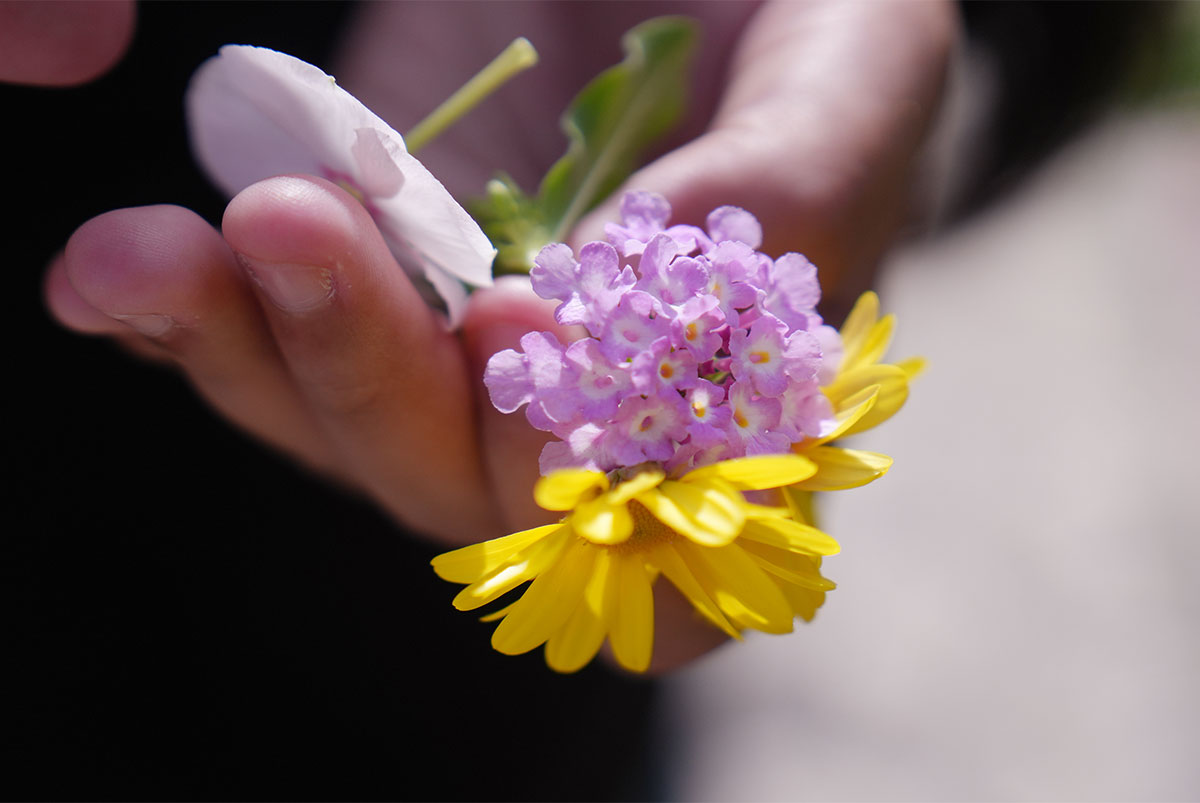
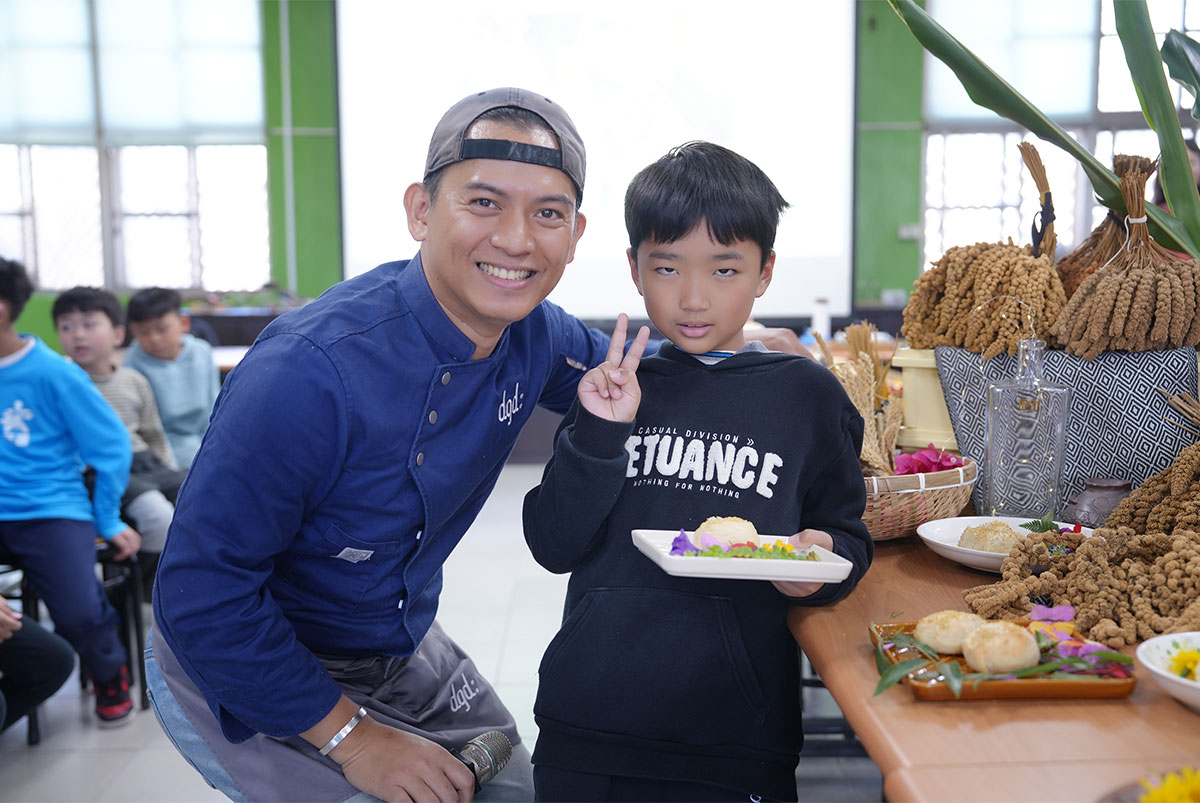 Today’s Table Aesthetics MVP: this wonderful young student ✨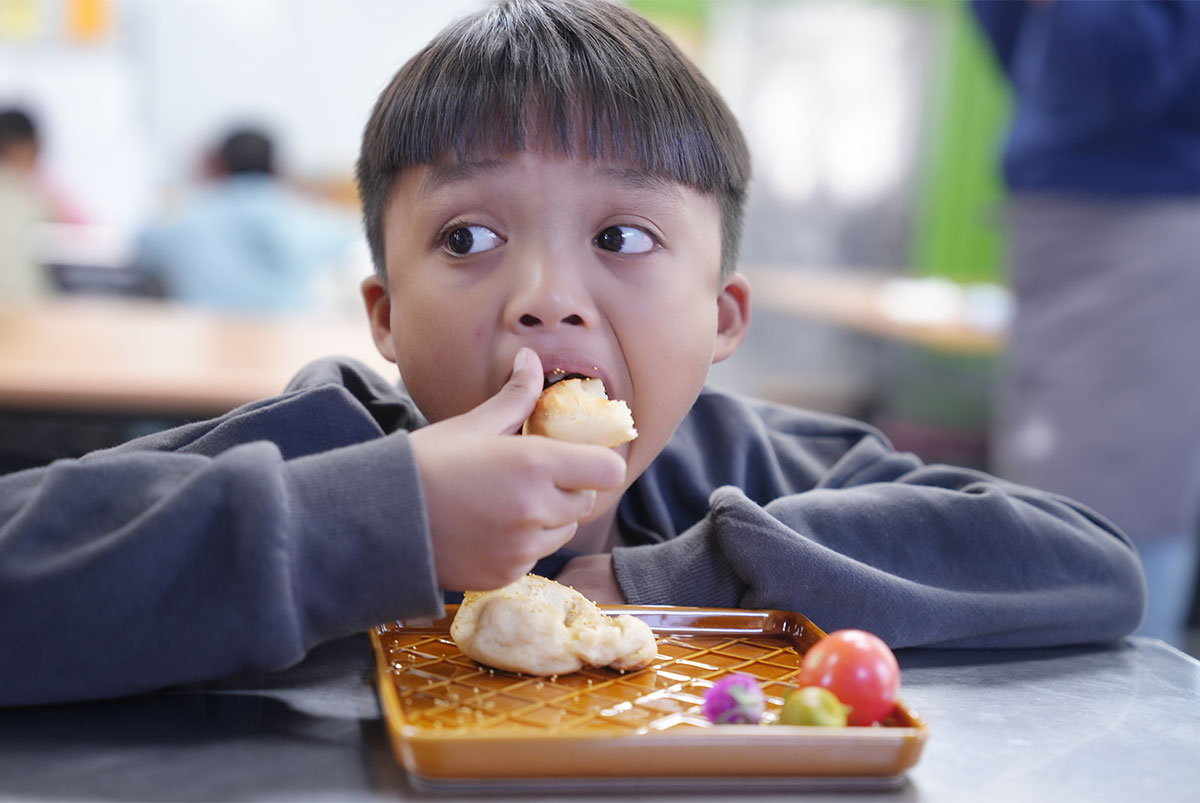
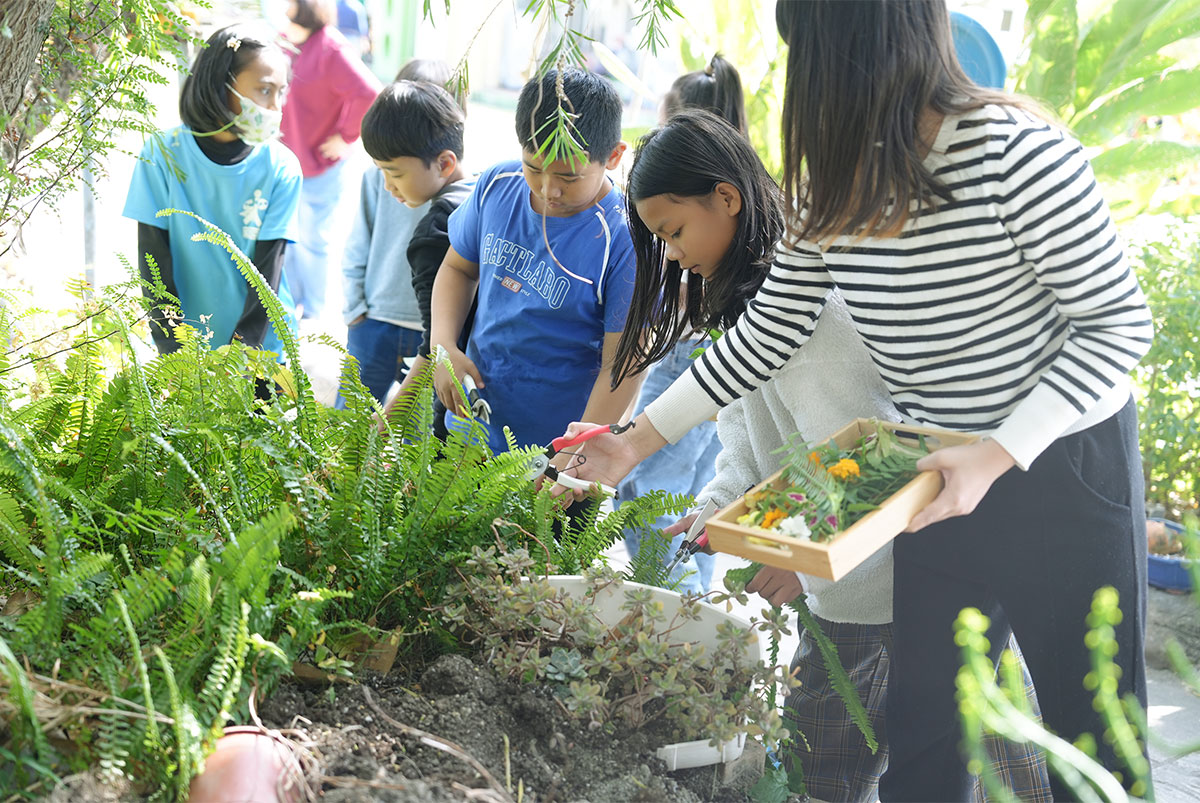 Plant gathering
🌾 Let millet continue to take root on the hillsides—and sprout in the hearts of our children.
Through the “Millet in Schools” initiative, the Tse-Xin Foundation invites companies and all caring individuals to join us.
Let’s help children eat with awareness, and let their taste buds remember the flavor of this land.
👉 Support the Millet in Schools Initiative: https://forms.gle/uMB1Ncb6Fi7nZJAP8
👉 Contact: Director Chien Yu-Chuan, Tse-Xin Hualien–Taitung Office
Email: Email住址會使用灌水程式保護機制。你需要啟動Javascript才能觀看它
📽️ Millet in Schools Video: https://youtu.be/3nI2\\\_5EdMQI?si=eQOBJ5jSz19d5Bhp