

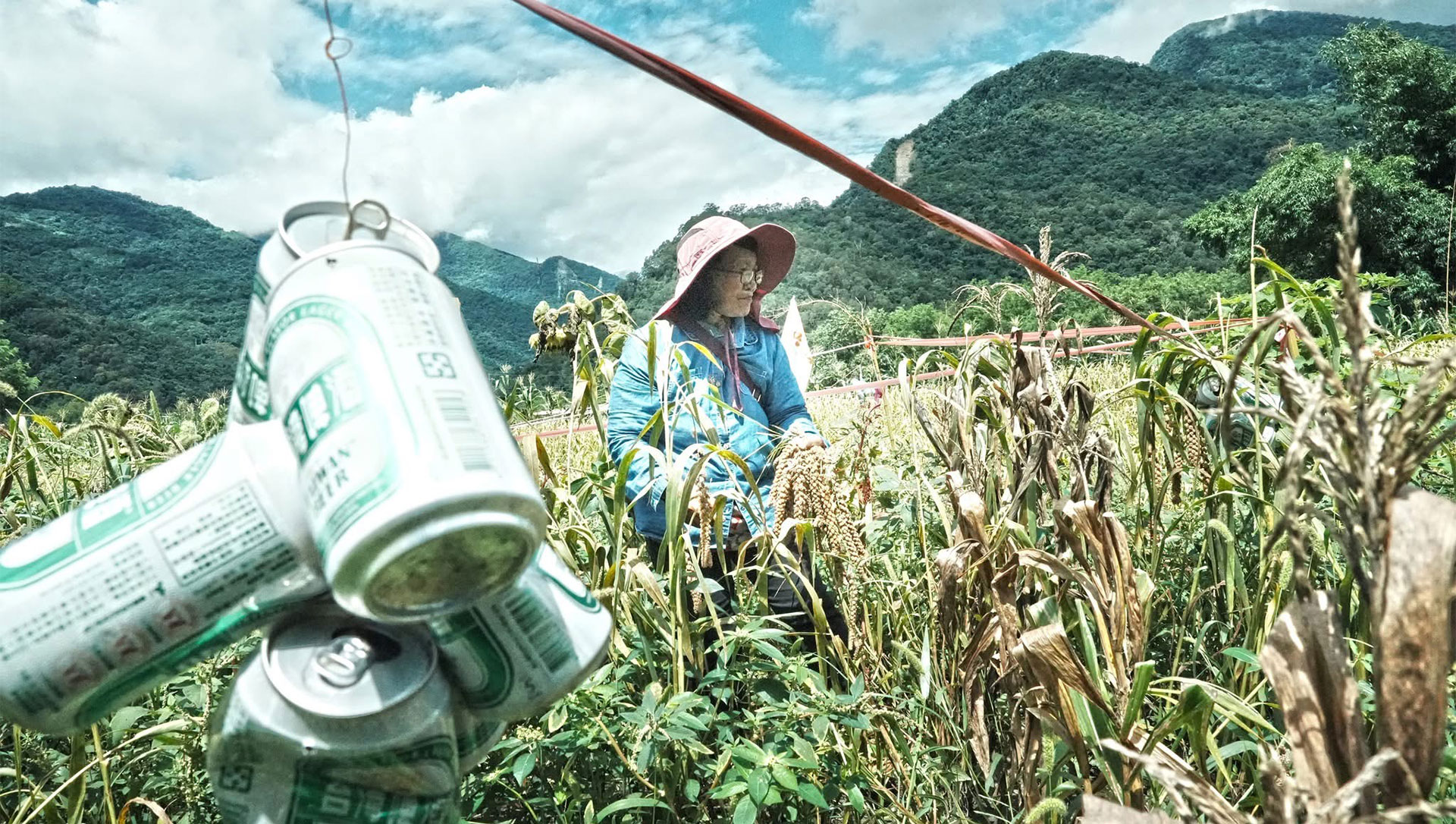
In the back mountains, the sky is a pure, washed blue.
Early in the morning, the millet fields—soon to be harvested—are already full of life and sound.
Even before stepping into the fields, a rich mix of noises can be heard from afar, rising and falling in layers:
the sharp sound of firecrackers,
Chinese dance music, Indigenous languages, and English all blend together playing nonstop,
“dummy figures” made from red cloth and bamboo poles standing guard like distant soldiers,
shimmering ribbons swaying in the wind, flashing dazzling reflections,
while fake eagles circle above, patrolling the fields from the sky.
This is the installation art created before the millet harvest—
the “electronic speaker” of the millet fields.
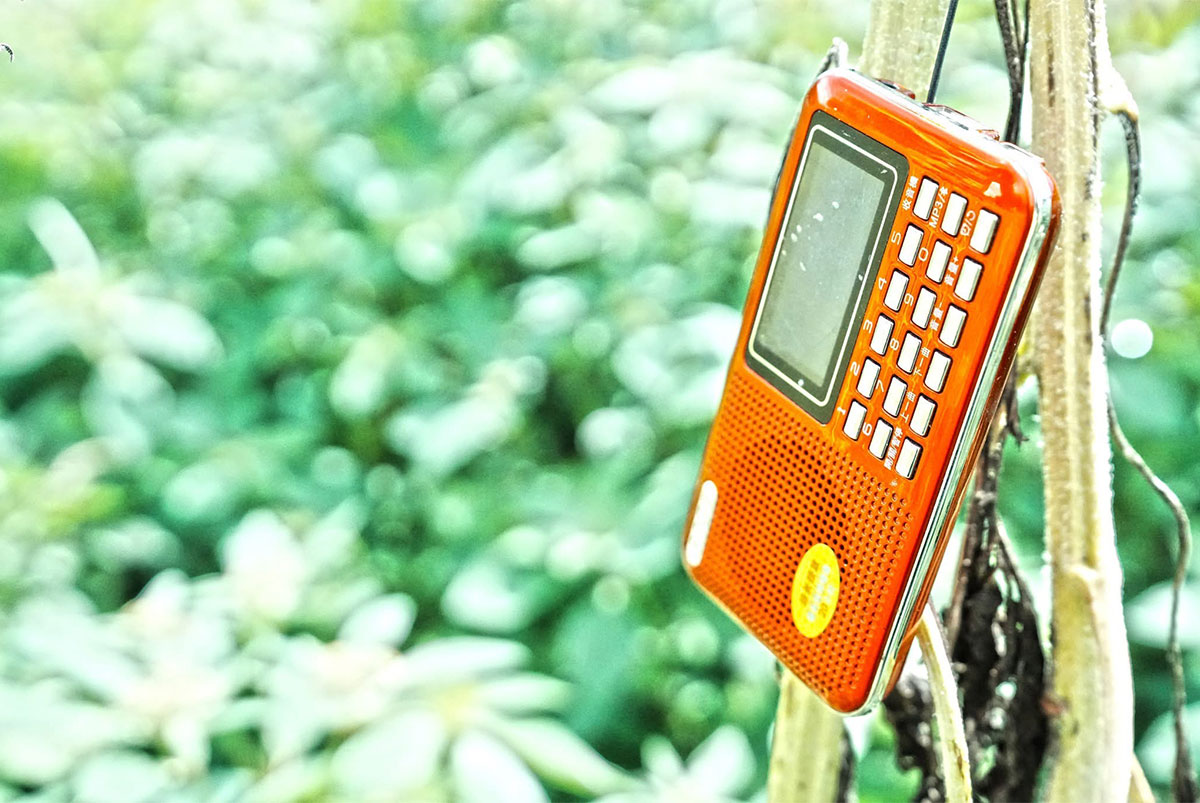 Before even entering the fields, a layered mix of sounds can be heard from afar—<br>firecrackers and dance music in Chinese, Indigenous languages, and English.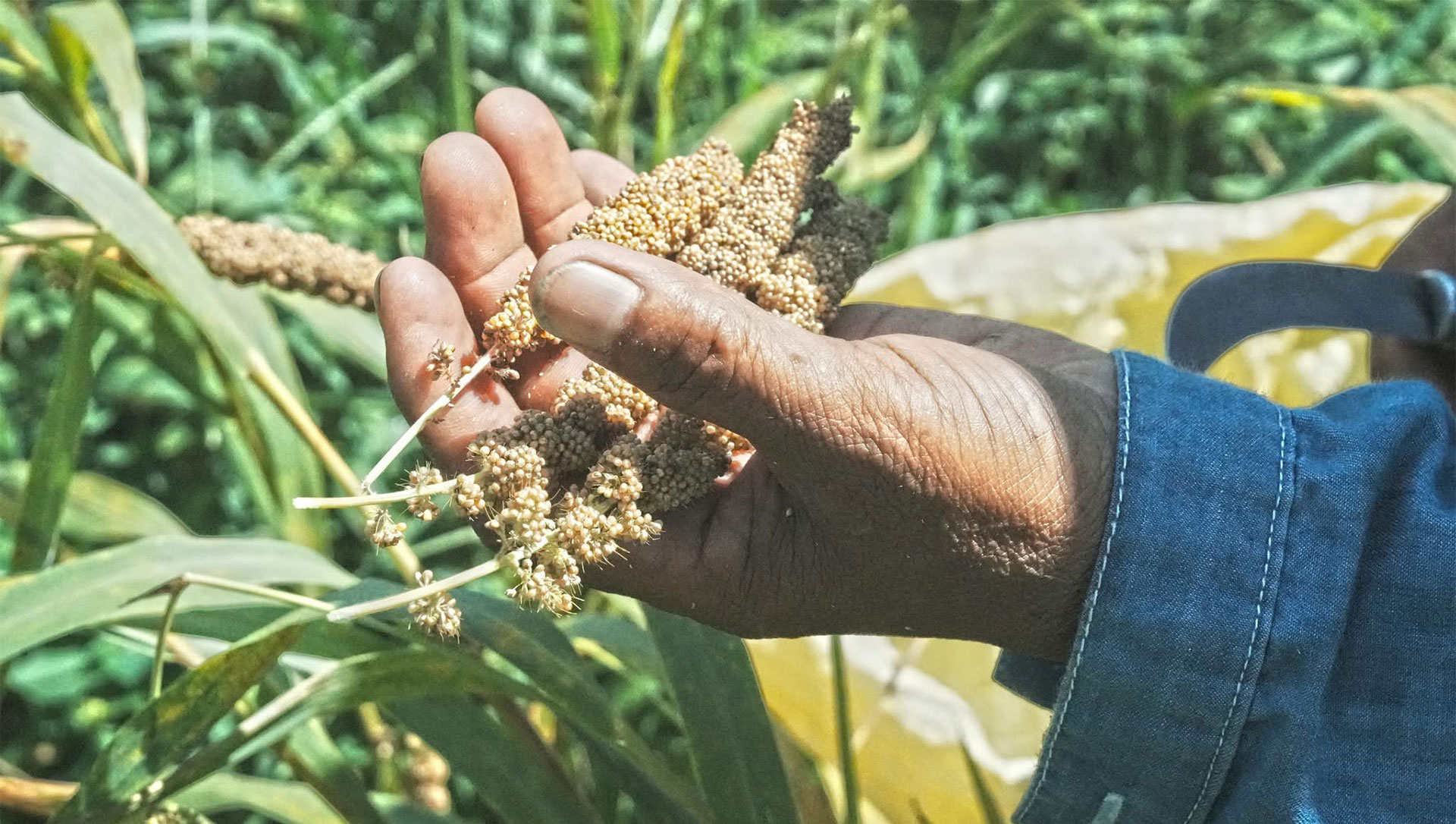
and a life concerto between people and the land.
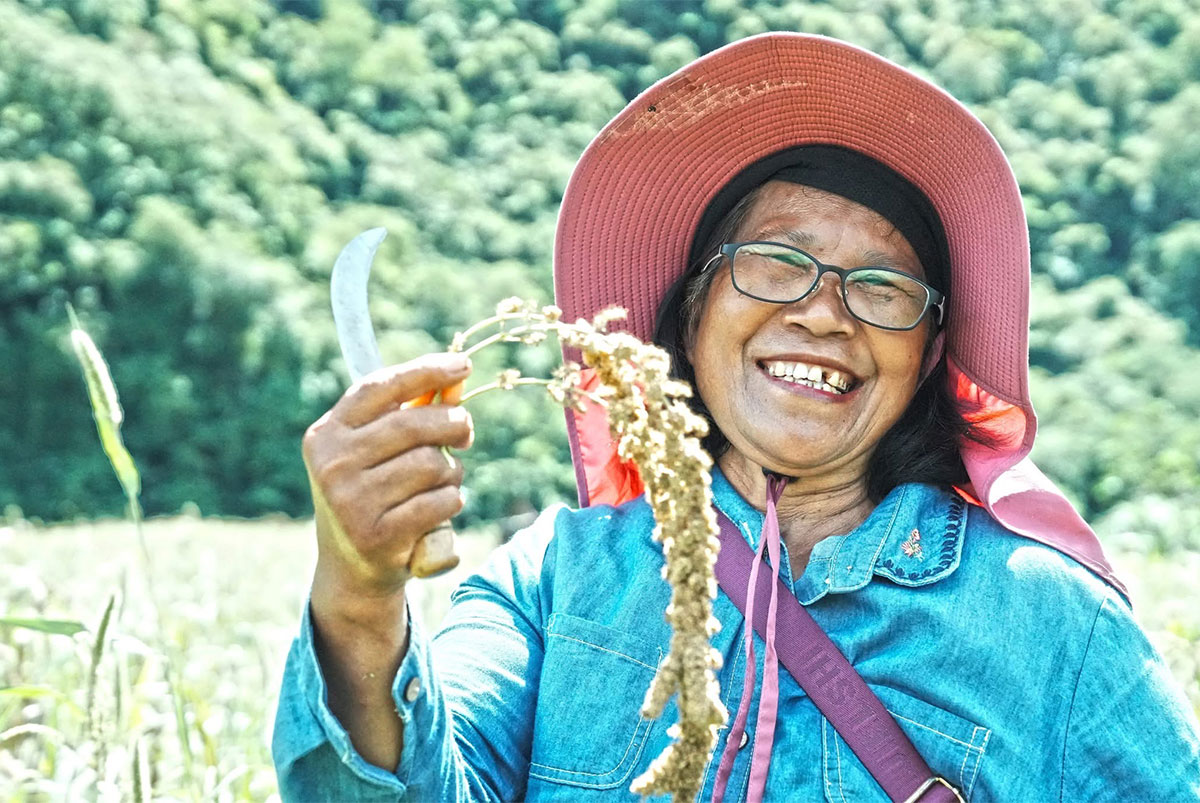
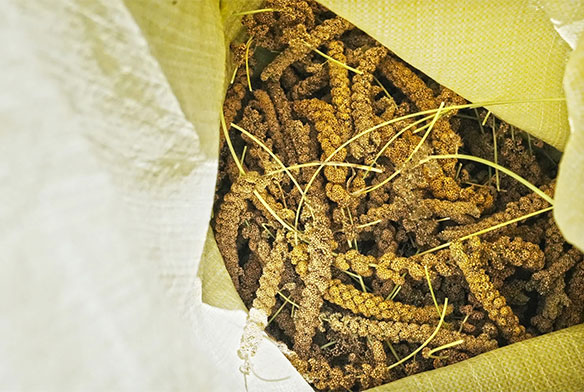 With effortless familiarity, Tina quickly harvests half a sack of millet.
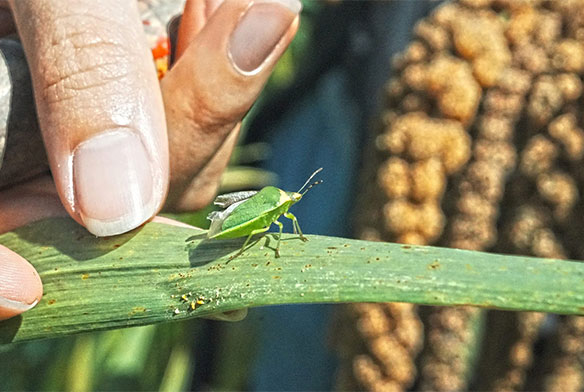
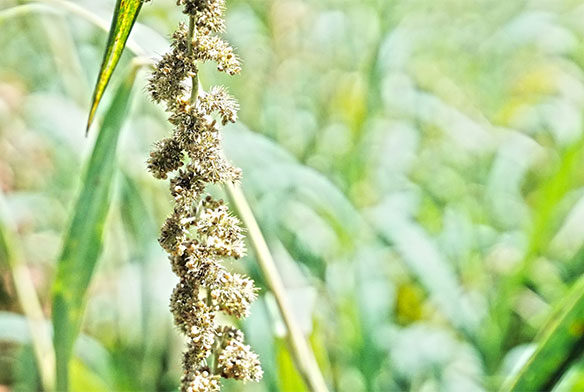 Millet ears eaten clean by birds.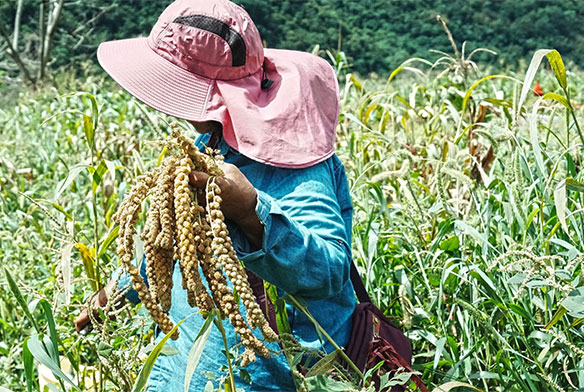
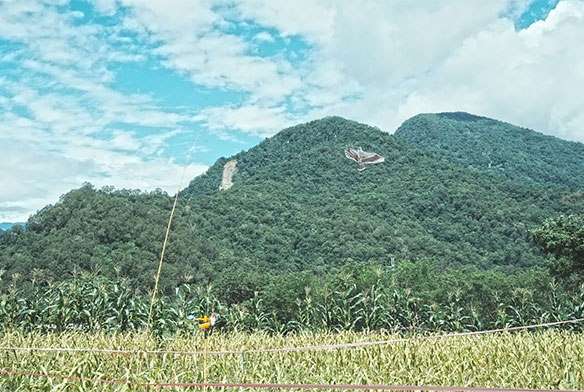 Fake eagles patrolling the fields from above.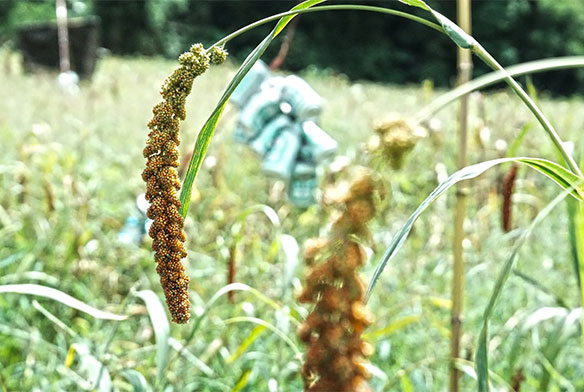
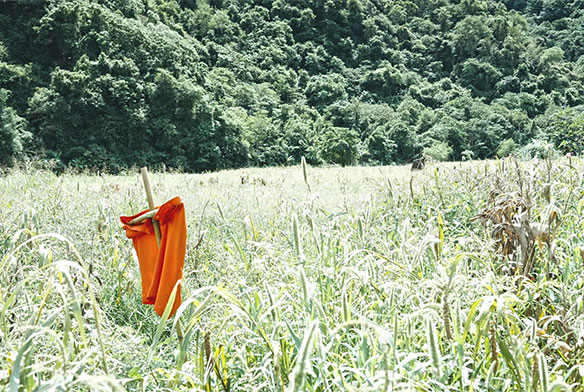 “Dummy figures” made of red cloth and bamboo poles, <br>standing like soldiers on guard.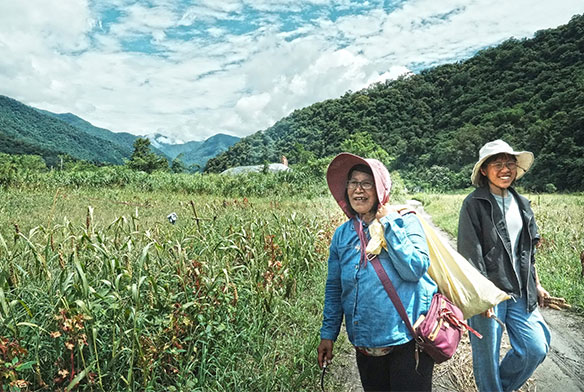
Hu Yu-Ying Tina teaches us how to harvest millet with scissors while explaining:
“During millet harvest season, you have to chase birds every single day.
Qiu Xiu-Ling and I take turns guarding the field—otherwise the birds will eat everything.
She’s here from six in the morning; from ten to two it’s my turn.
After that, I still have to cook, and go weed the fields…”
Under the scorching sun, Tina moves with practiced ease.
In no time, she has already harvested half a sack of millet.
In the fields, millet grows alongside red quinoa, corn, and pigeon peas.
This is the wisdom of the Bunun people—
rotating and intercropping according to season and soil,
while preserving a rich diversity of traditional crops and seed lines.
Once most of the millet is harvested, it needs to be taken home to dry.
As the motorbike passes another nearby field, Tina hops off to take a look.
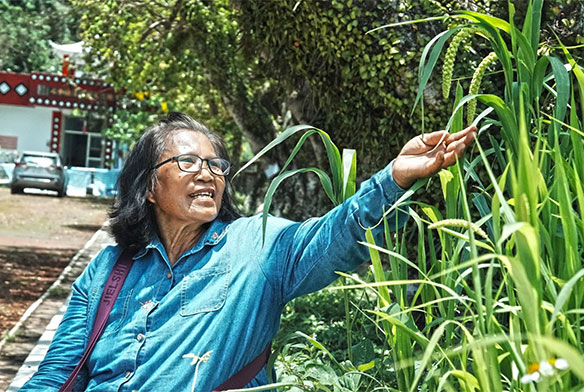
“This field is planted with finger millet,” she explains while weeding.
“Make good use of these small bits of time,” Tina says with a smile.
“Do a little every day, and the field will be well taken care of.”
At noon, the millet-and-bean soup served in Zhuoqing Elementary School’s nutritious lunch comes from Tina’s harvest.
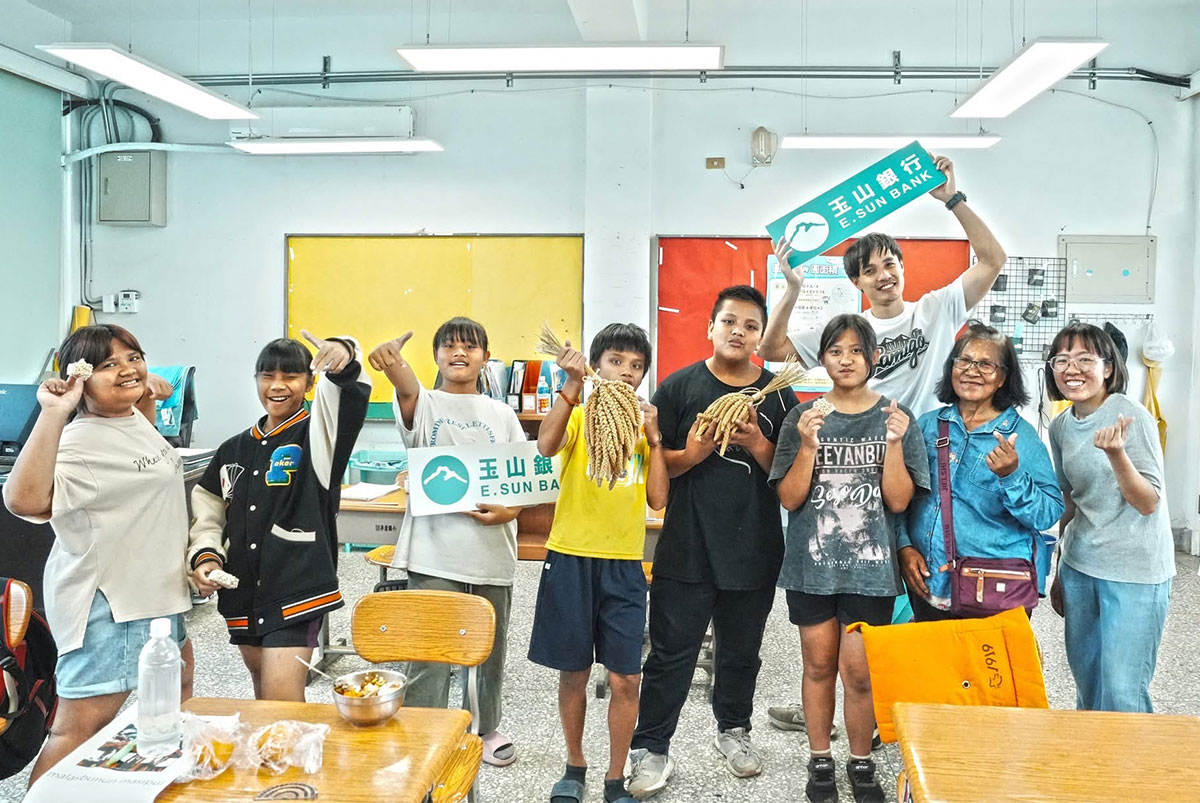
(The inclusion of Bunun traditional crops in school lunches is supported by a program from E.SUN Bank and the E.SUN Cultural and Educational Foundation.)
The hope is that Indigenous children can regularly eat, see, and reconnect with millet and traditional beans in their everyday lives.
During lunchtime, Tina shares with the children her experiences and reflections on growing millet and beans.
Doing the most ordinary work,
can carry the most profound meaning.
Tina’s day may seem simple—
moving through the fields harvesting millet, chasing birds, pulling weeds, and then going to school to share her story.
But every action, every moment of her resilience,
is a profound act of protection for this land and its culture.
The next time you pass by Tina’s fields,
that is the electronic speaker in the millet fields—
and also a life concerto between people and the land.
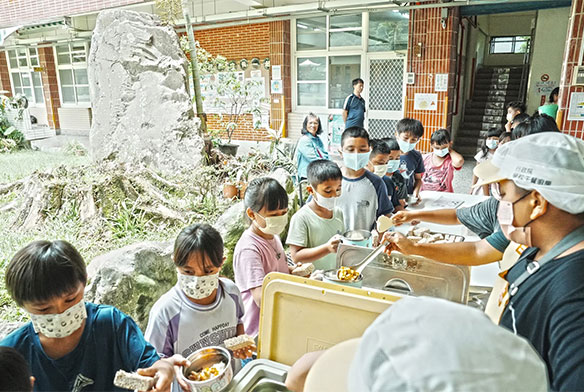
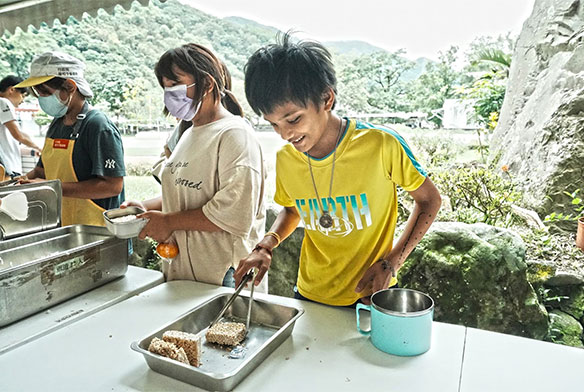
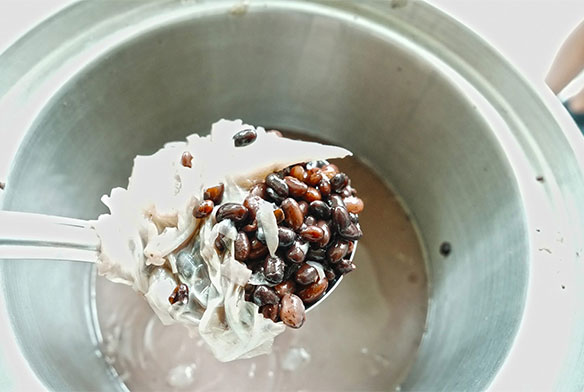 The millet-and-bean soup in Zhuoqing Elementary School’s lunch <br>was provided by Tina.
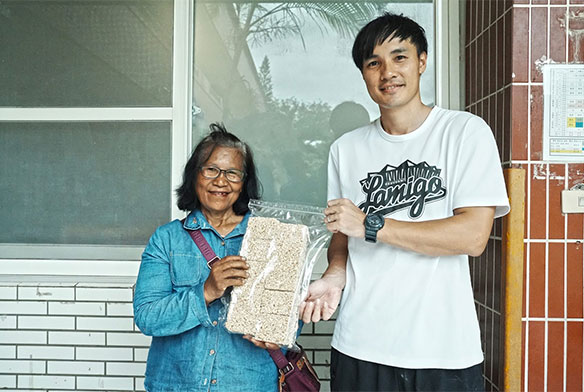
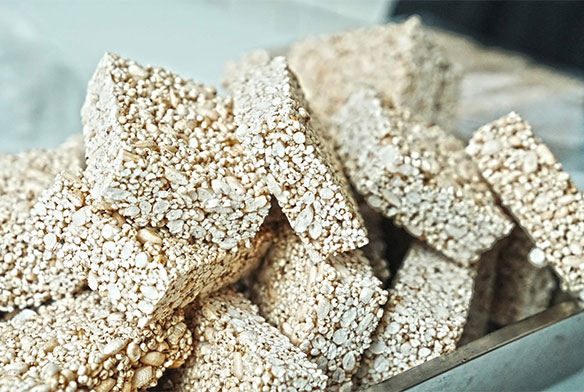 Puffed millet snacks.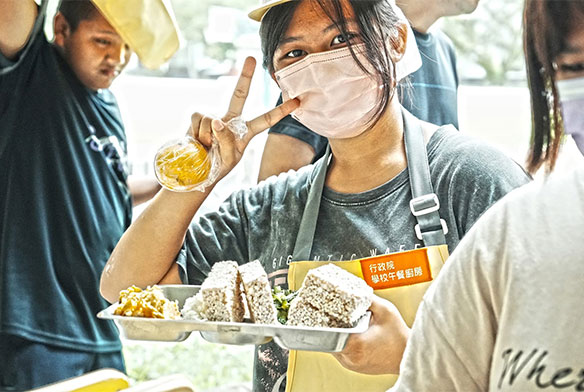
 The millet demonstration field at Zhuoqing Elementary School, planted by Tina.
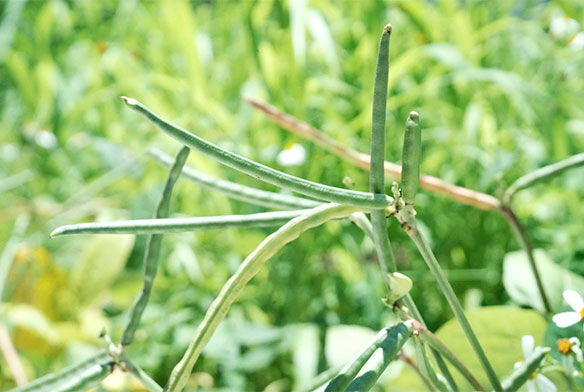 Beans intercropped with millet in the school’s demonstration field.
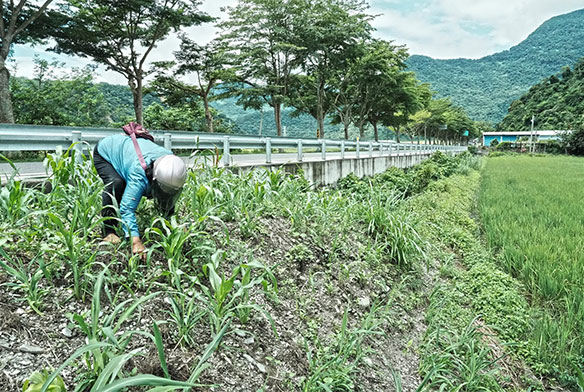 Tina says: “Use small bits of time wisely—<br>do a little every day, and the field will thrive.”
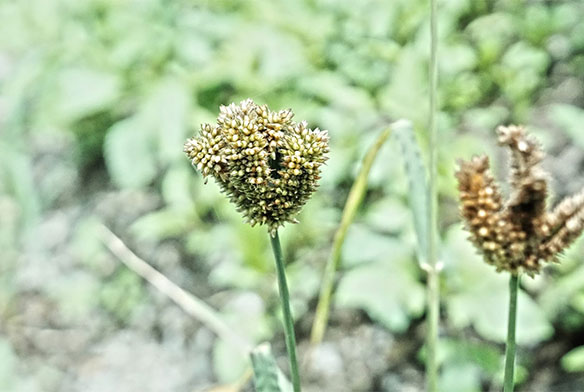 Finger millet
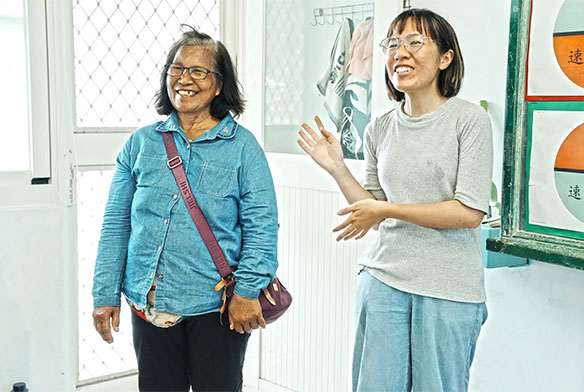 During lunchtime, Tina shares her journey <br>and thoughts on growing millet and beans with the children.
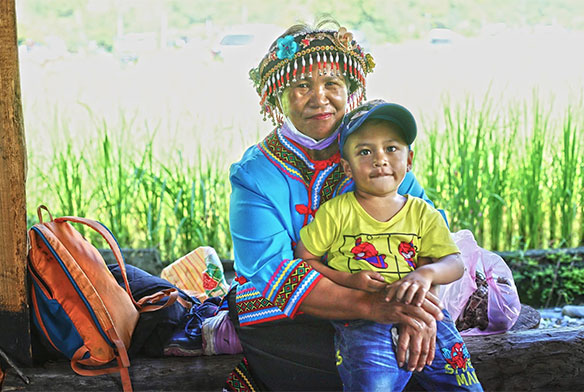 Hu Yu-Ying Tina with her grandchild.