
The story of the Paiwan people begins with a single grain of millet.
Long ago, cooking just one grain could magically fill an entire pot and feed the whole family.
This beautiful myth reflects not only the wonder of our culture,
but also reveals how precious millet truly is—
a highly nutritious whole grain rich in B vitamins and minerals such as iron, phosphorus, potassium, magnesium, and zinc.
Each millet head is like a treasure box,
holding the mission of our culture and its passing from one generation to the next.
 Taiwan preserves the world’s most complete millet culture <br>and is the only place where millet is still used in ritual ceremonies.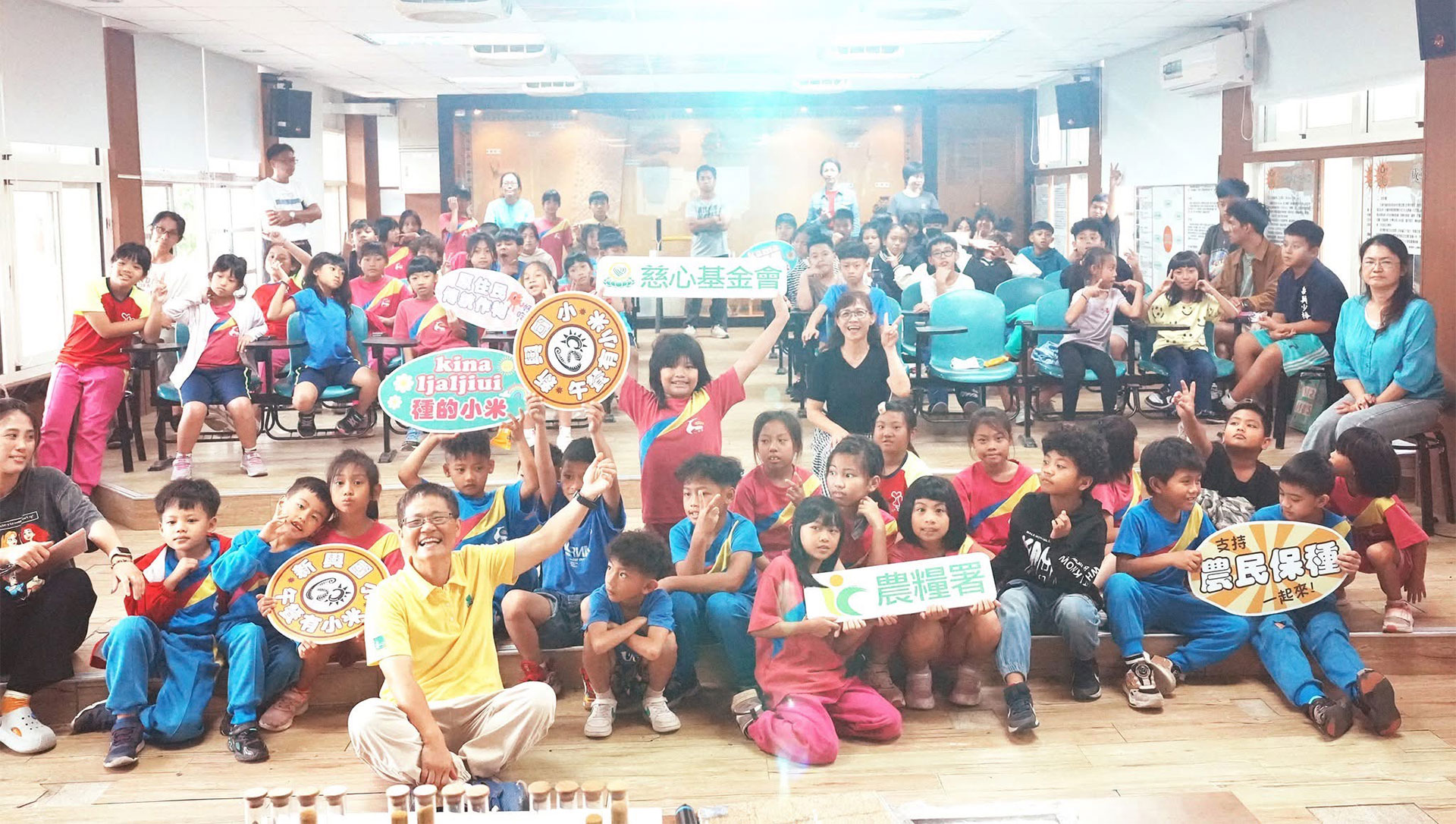
when people eat it, farmers will continue to grow it.
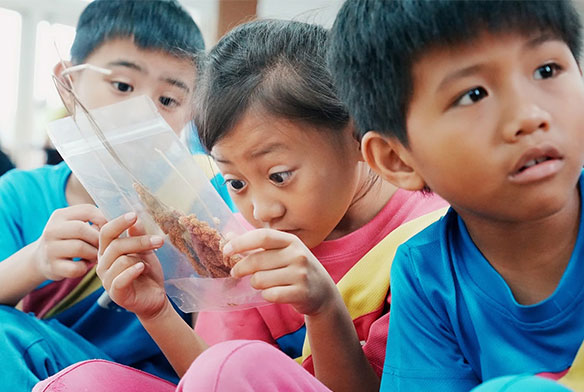
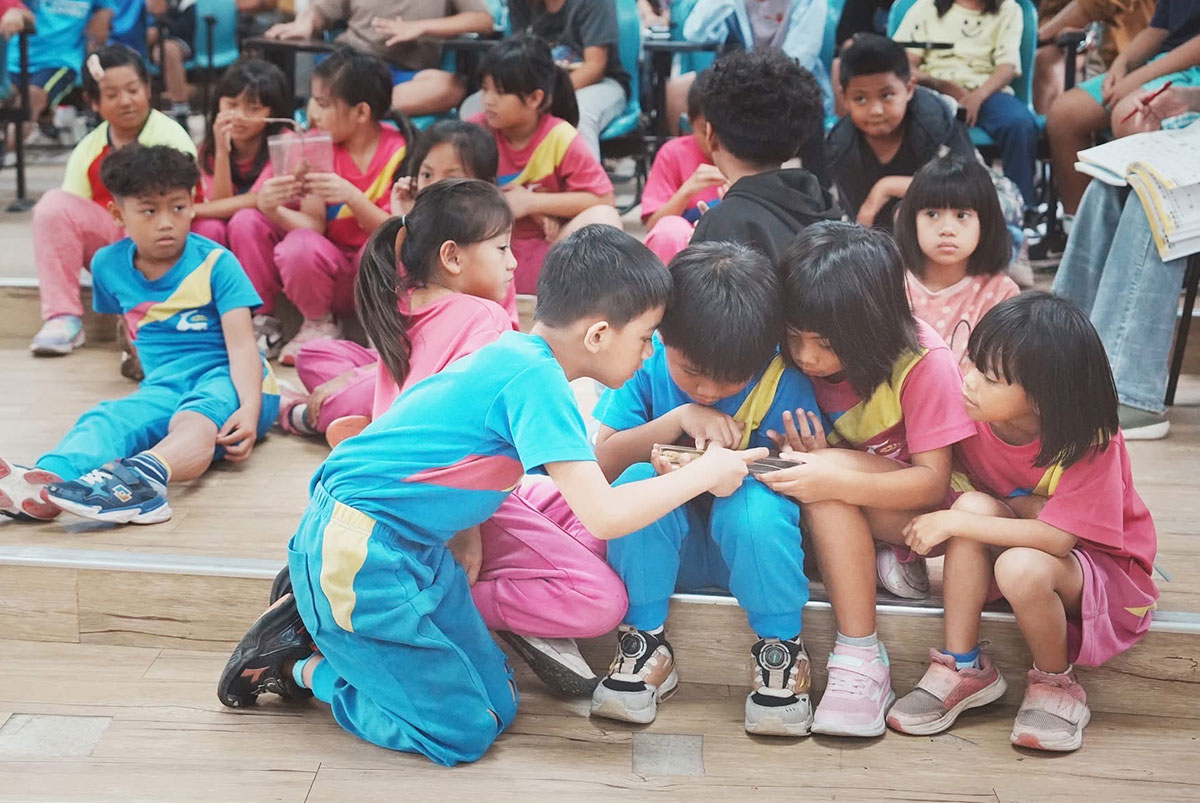
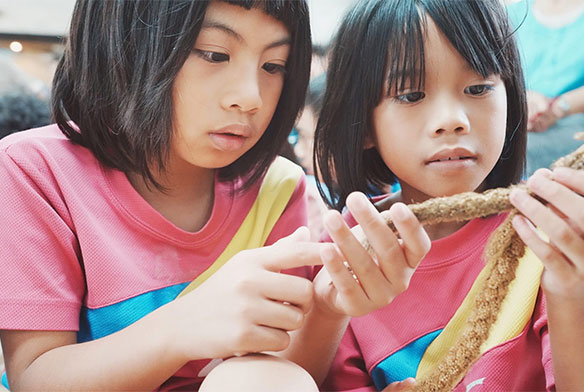
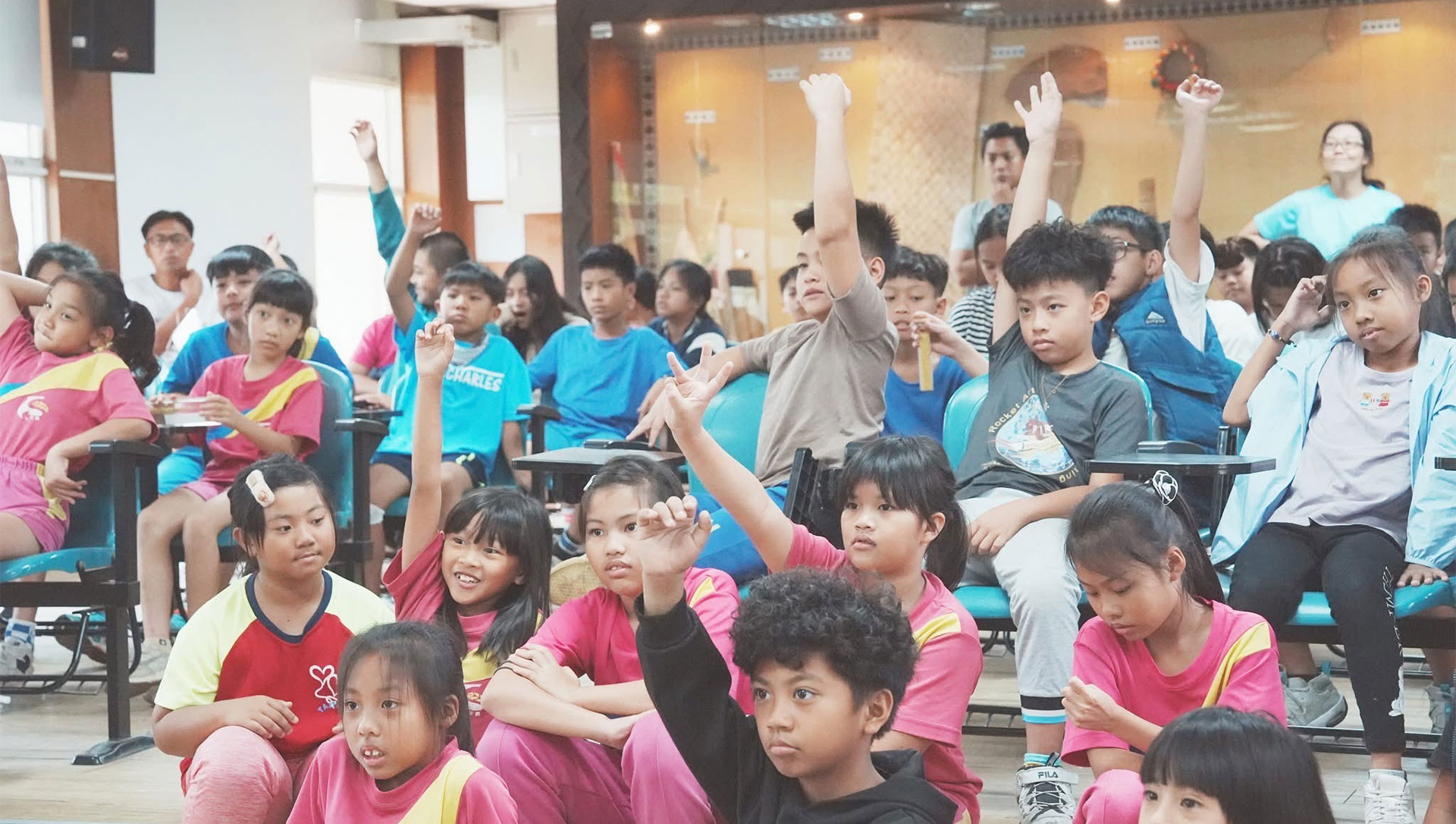
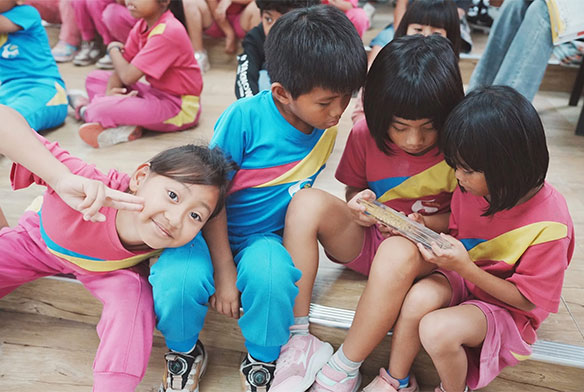
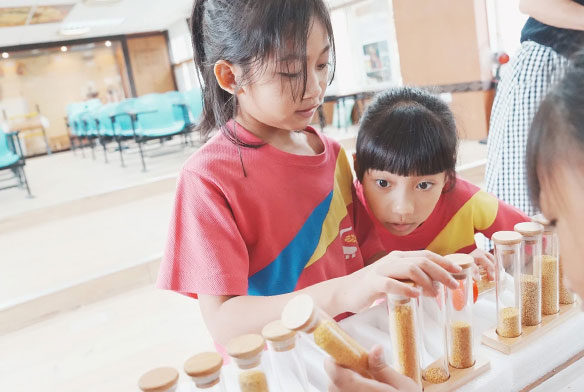
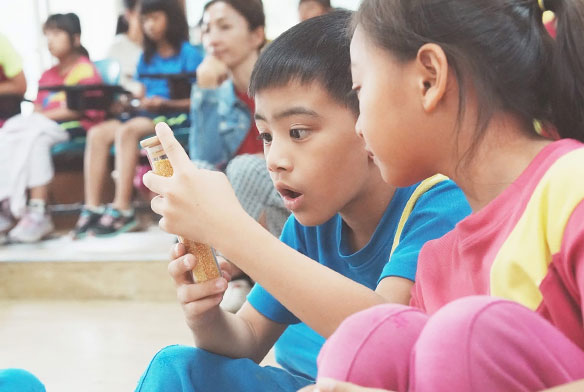
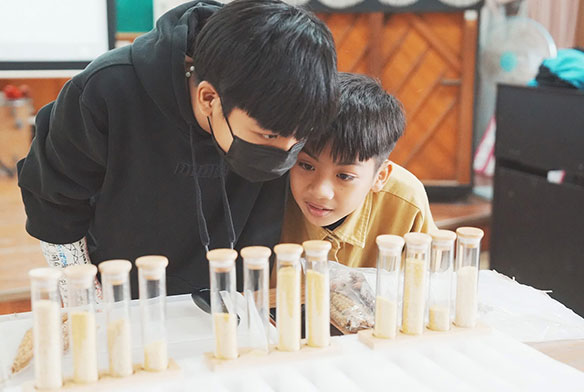 Children closely observe and learn to distinguish different millet varieties.
 The Central Mountain Range is like a giant, <br>once surrounded by boundless Indigenous millet fields.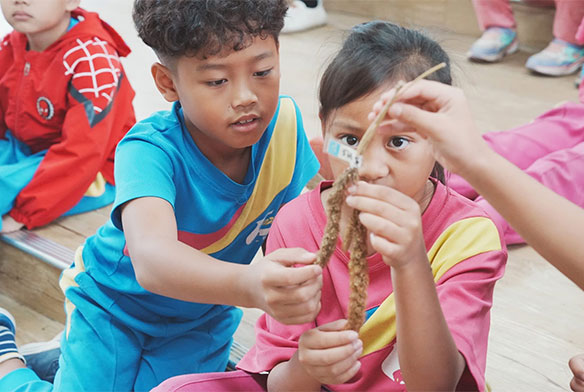
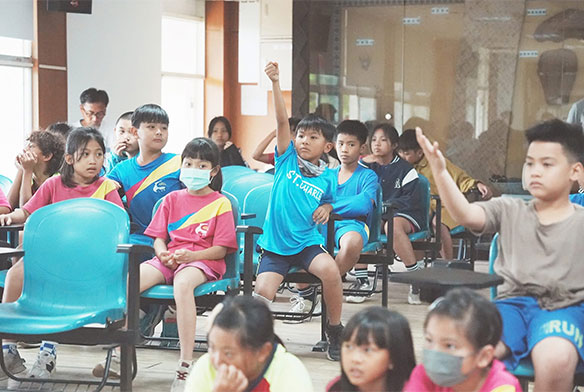
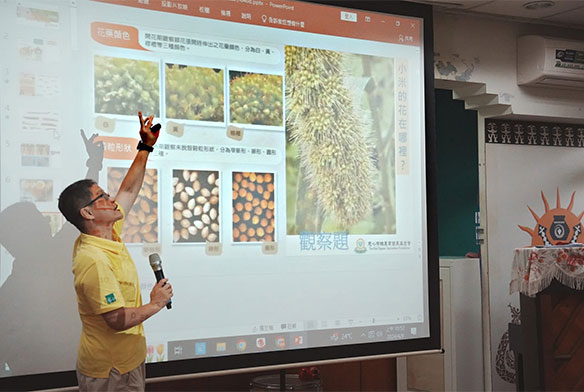
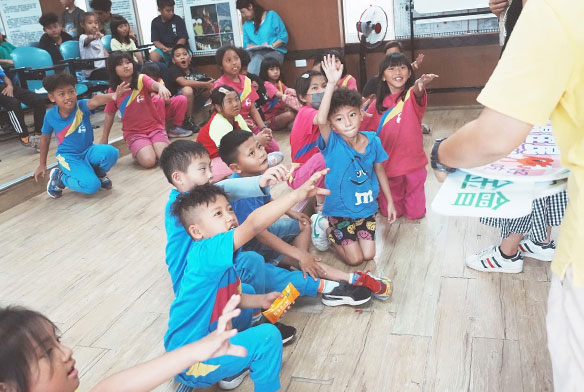
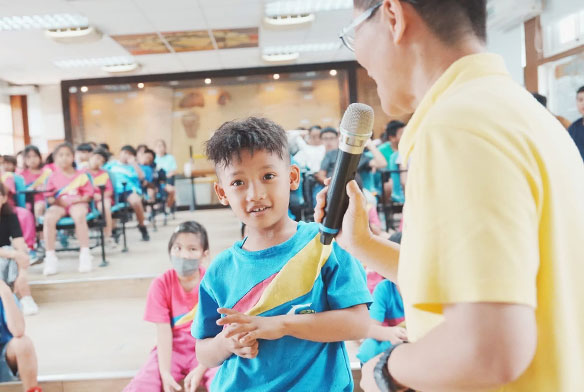
Children often learn that among all Austronesian peoples,
only the Indigenous peoples of Taiwan preserved a complete millet culture.
Taiwan holds the world’s most intact millet traditions—
and is the only place where millet is still used in ritual ceremonies.
Every stage of millet’s life—sowing, growing, thinning, and harvesting—
has its own corresponding festival:
the Sowing Festival, Rain-Praying Festival, Weeding Festival, Harvest Festival, and more.
Do you know how many grains can grow on a single head of millet?
Two hundred? Five hundred? A thousand?
More…
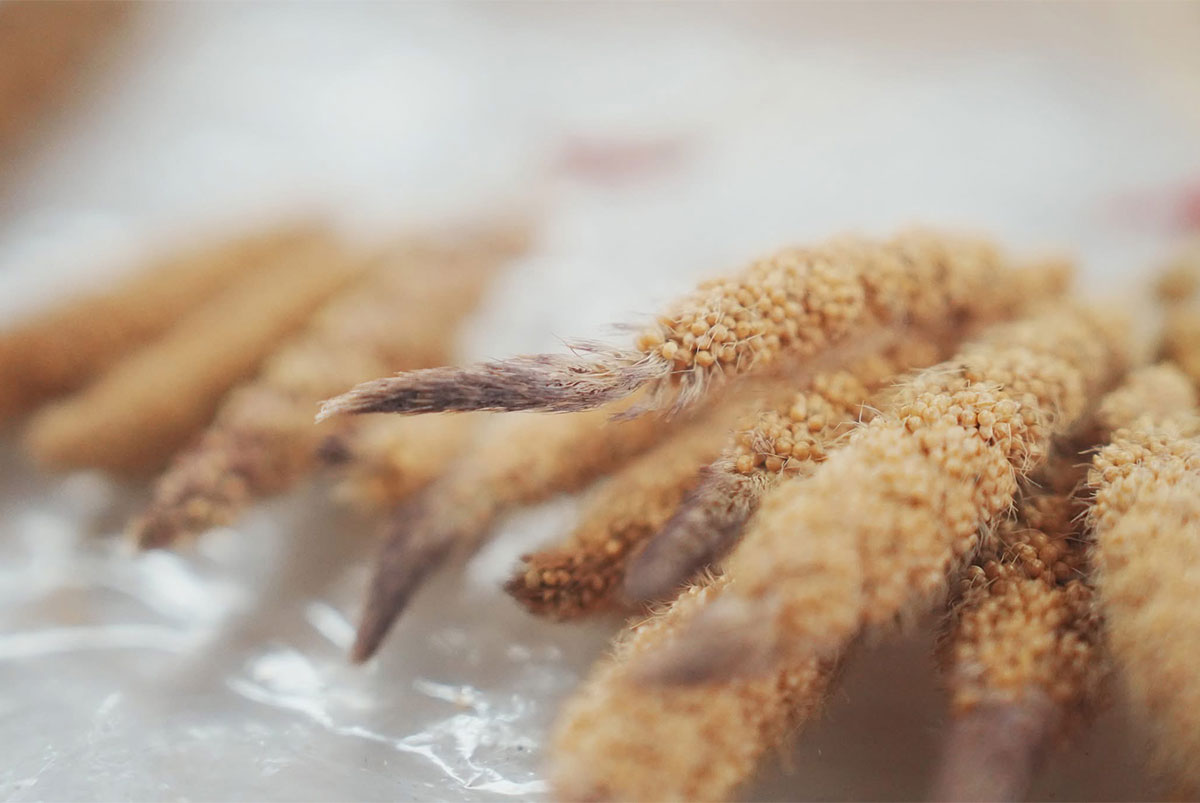
A single millet head can hold up to 16,400 grains.
Isn’t that astonishing?
Millet varieties also carry different names across regions and tribes:
#abilung – preserved for 50 years, a beloved variety among elders.
#djalunulunu – with dark, ear-like colors and loose grains.
#ijakucungan – resembling the paws of a gray cat.
#cuma cumay – glutinous millet.
#pangapan – short spikelets with long hairs.
And many more…
Each name, each seed, is a story.
As teacher Lin Zhi-Zhong describes:
“The Central Mountain Range is like a great giant, and our Indigenous peoples lived around it, planting endless fields of millet. In the days when millet sustained us, those golden fields were the giant’s shining belt.”
For hundreds, even thousands of years, our people planted millet, ate millet, exchanged seeds—
and that is why so many unique varieties exist today.
Every tribe lived deep in the mountains,
and every mountain nurtured its own millet lineage.
Travelers exchanged seeds wherever they went.
From Rulais to Taitung, people shared, traded, and carried new varieties across the land.
Millet’s ancestor is the humble green foxtail.
Through centuries of natural crossbreeding,
we now have the vast diversity of millet seen today.
Even more amazing—millet exhibits generation-skipping traits.
A grandparent’s characteristics may suddenly reappear in the grandchildren’s millet heads.
Isn’t that magical?
So yes—
Eating millet is sometimes the most effective way to preserve it.
When people eat millet, people will continue to grow it.
And seeds continue to be shared, exchanged, and passed on.
Each tiny grain carries the wisdom of our ancestors
and the pride of our Indigenous culture.
And like a torch passed from hand to hand,
this heritage will continue to shine.
---
Millet-in-School Project: How It Began
Through corporate sponsorship of millet cultivation, we support tribal farmers and elders.
This program allows students—from 12 rural elementary and middle schools in Taitung’s Indigenous communities—
to enjoy millet grown by their own people,
strengthening the cultural pride and value of community-grown millet.

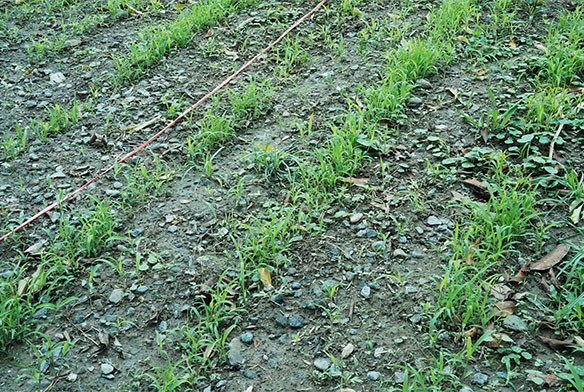
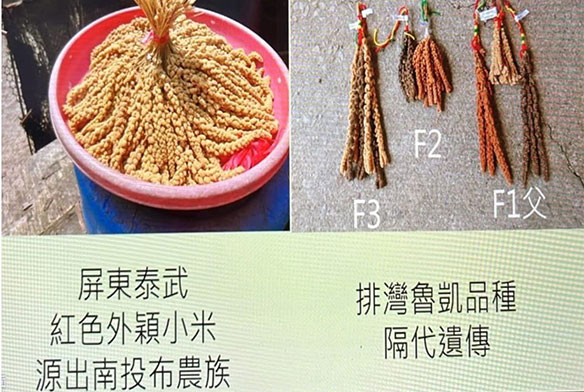 Millet can pass down ancestral traits across generations—<br>grandparent characteristics reappearing in the grandchildren.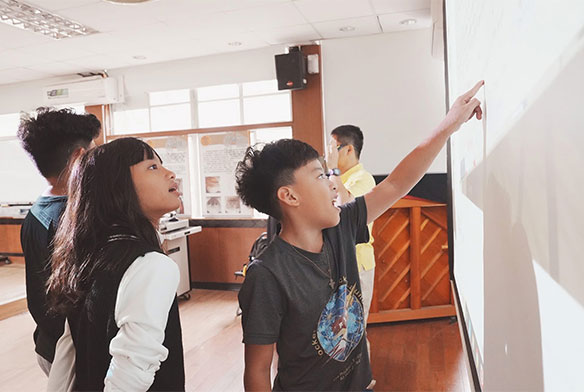
🌾 Let millet continue to take root on the hillsides—and sprout in the hearts of our children.
Through the “Millet in Schools” initiative, the Tse-Xin Foundation invites companies and all caring individuals to join us.
Let’s help children eat with awareness, and let their taste buds remember the flavor of this land.
👉 Support the Millet in Schools Initiative: https://forms.gle/uMB1Ncb6Fi7nZJAP8
👉 Contact: Director Chien Yu-Chuan, Tse-Xin Hualien–Taitung Office
Email: Email住址會使用灌水程式保護機制。你需要啟動Javascript才能觀看它
📽️ Millet in Schools Video: https://youtu.be/3nI2_5EdMQI?si=eQOBJ5jSz19d5Bhp