
 2026 / 09 / 03
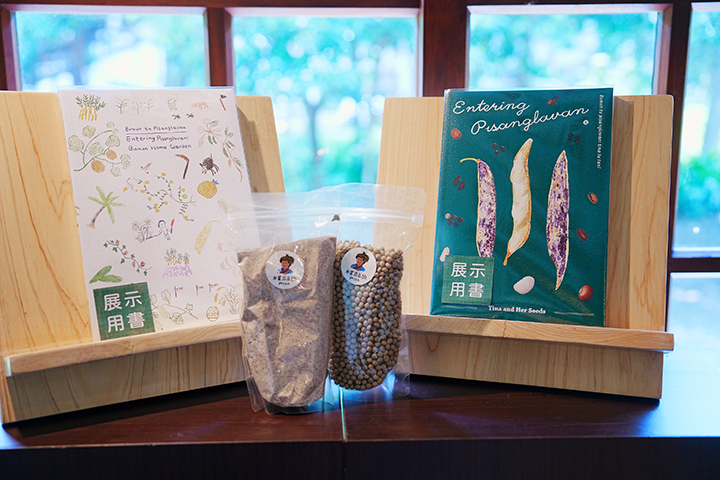
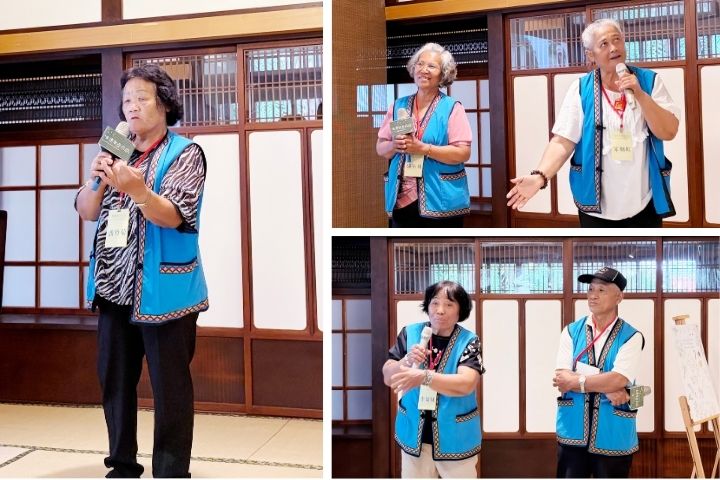
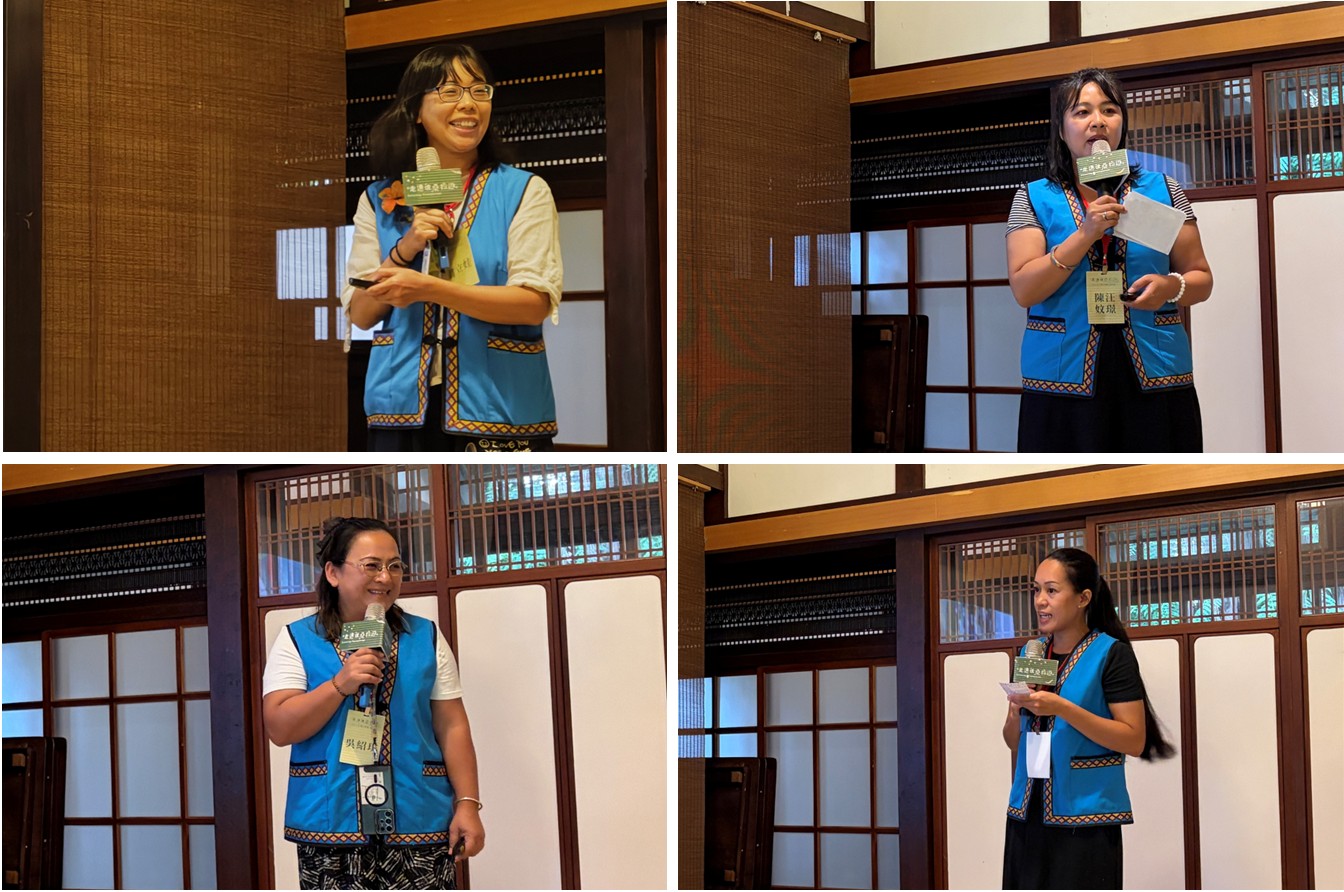
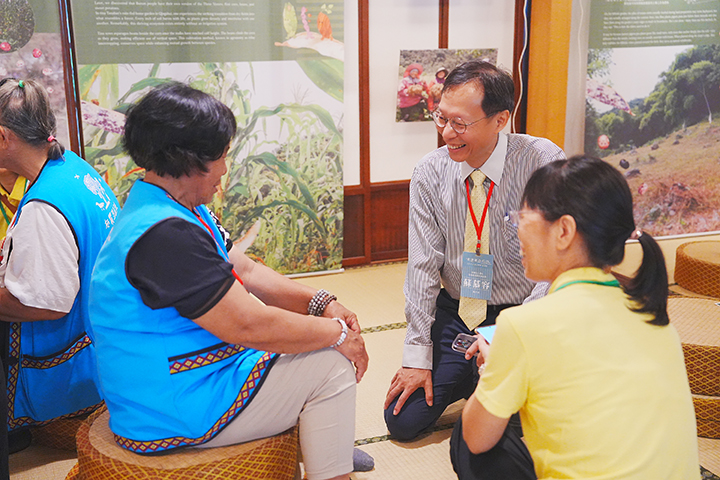
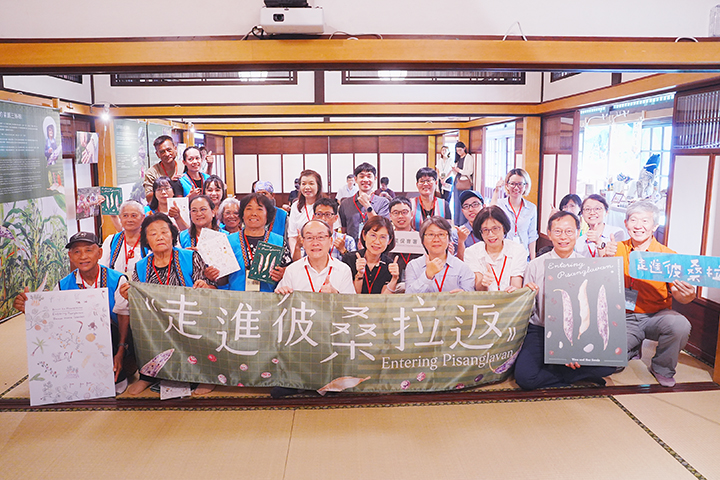
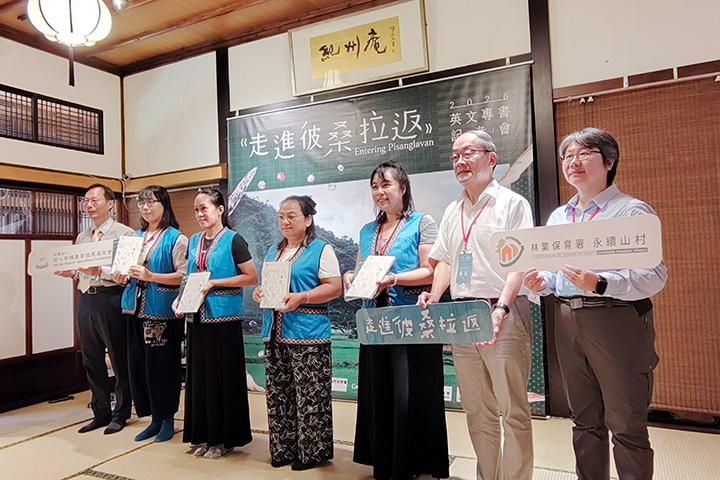
The English edition of Entering Pisanglavan—a two-volume set co-created by the Hualien Branch of the Forestry and Nature Conservation Agency, Tse-Xin Organic Agriculture Foundation, and the Bunun in Zhuoqing Village, Zhuoxi Township, Hualien County—was officially launched on July 23 at the Kishu An Forest of Literature in Taipei, following its Chinese release in 2025. This publication aims to share Taiwan’s Indigenous community's precious practices in agriculture, ecology, and culture with the international community.
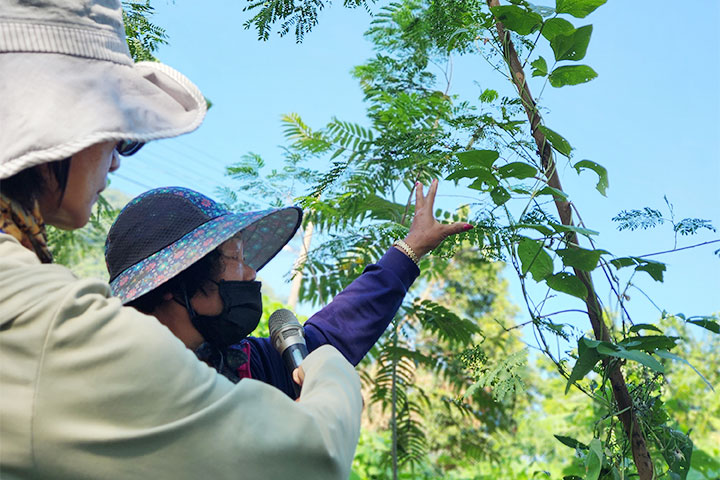
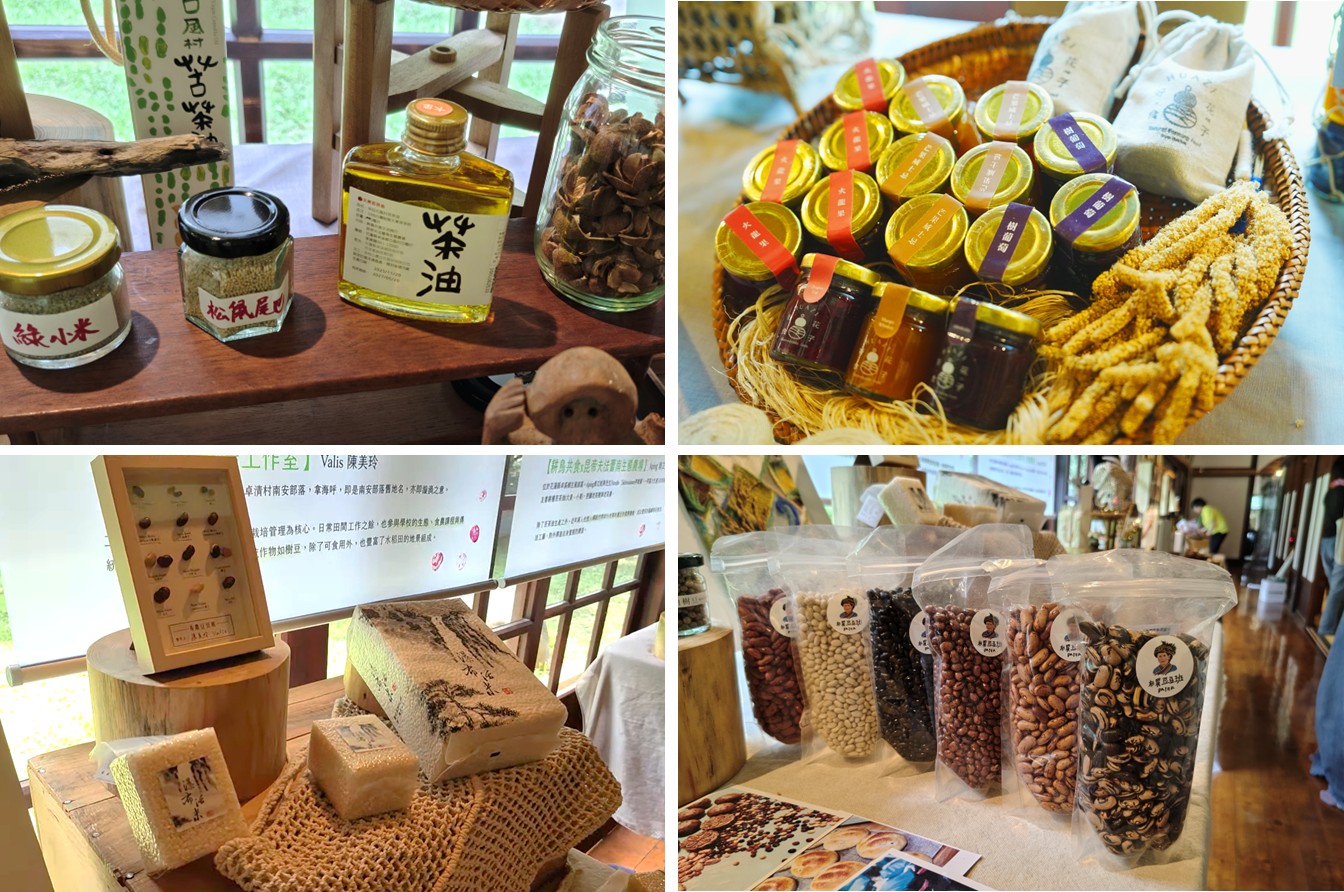
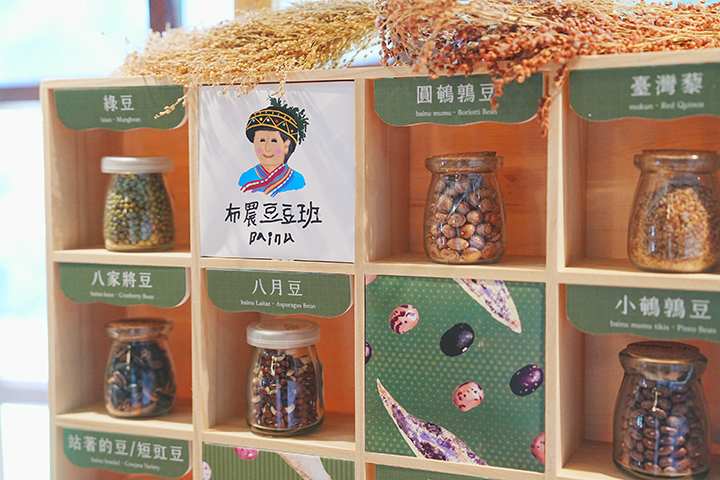
The publication of Entering Pisanglavan is the fruit of years of dedicated companionship by the Tse-Xin Foundation within the tribal community. In the Bunun language, "Pisanglavan" refers to a home garden. This book series records the living experiences and environmental knowledge of Bunun women ("Tina") in Zhuoqing Village through years of tending gardens. Volume 1, Bunun tu Pisanglavan (The Bunun Garden), presents nuanced observations of the Bunun people's interactions with the land, crops, and surrounding life forms. Volume 2, Tina tu Tani (Tina and Her Seeds), focuses on nearly thirty traditional Bunun bean varieties, documenting stories of their exchange, cultivation, storage, and consumption, showcasing a deep life bond between humans and seeds.
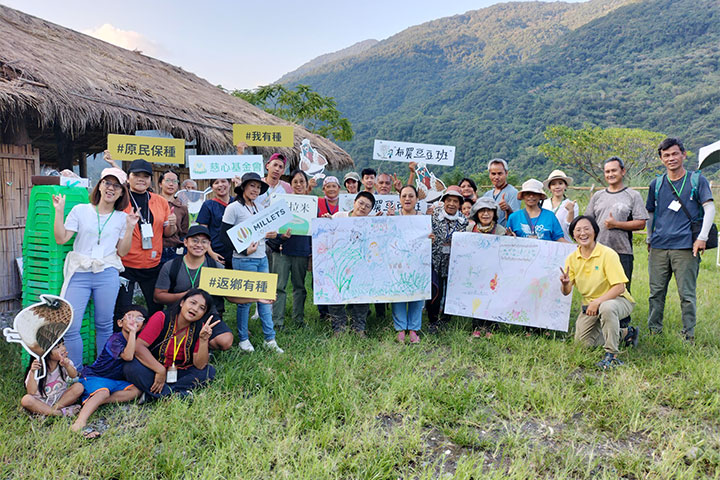
Twelve years ago, Tse-Xin entered the Nanan Community in Zhuoxi Township, Hualien, to assist in promoting organic rice farming. During this process, they discovered that the Tinas' home gardens held a rich variety of traditional Bunun beans alongside living wisdom that adapts to nature and coexists with the land. This knowledge represents not only the cultural assets of the tribe, but also holds immense value for biodiversity conservation and sustainable living. Consequently, Tse-Xin joined forces with tribal elders, local youth, and research teams to engage in seed preservation of Bunun beans, as well as cultural documentation and publishing work. This collaboration served as a vital foundation for the birth of the Entering Pisanglavan series.
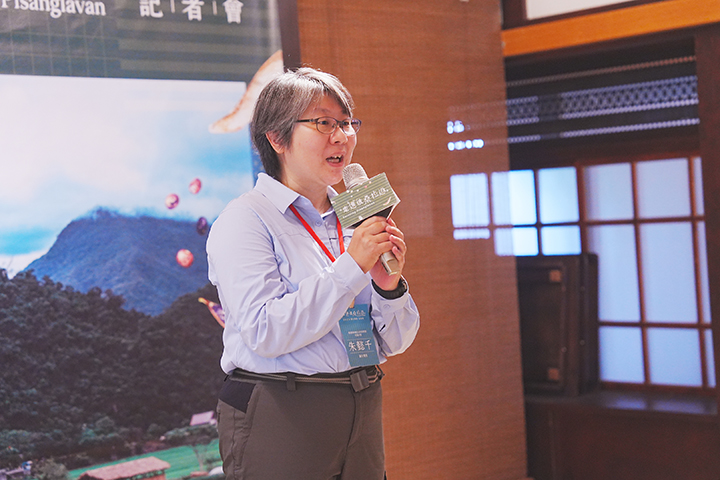
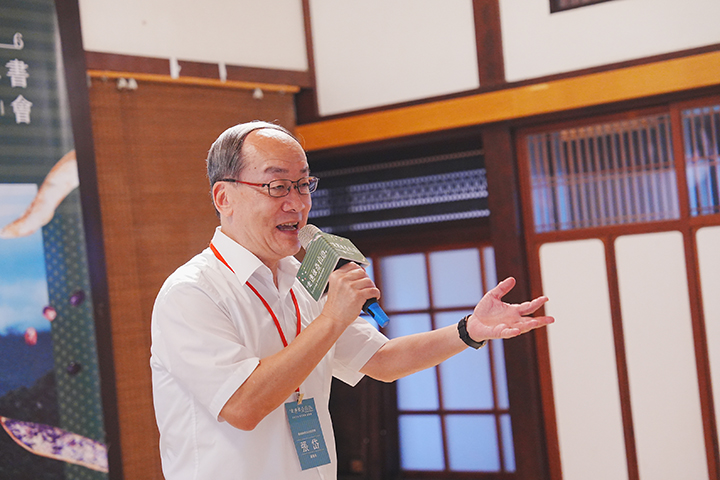
Professor Lee Kuang-Chung of National Dong Hwa University pointed out that as the global community faces the challenges of climate change and biodiversity loss, international organizations have increasingly emphasized the critical role of Indigenous Peoples and Local Communities (IPLCs) knowledge in sustainable development. The Nanan and Zhuoqing areas in Zhuoxi serve as prime examples of using local knowledge to respond to global trends. Dr. Chang Ching-Huan, Assistant Researcher at the World Vegetable Center, also remarked that local landraces possess irreplaceable value for genetic diversity and global food security: "As temperatures rise, we find heat-tolerant and disease-resistant genes within traditional local varieties. This is truly nature's treasure trove for our adaptation.
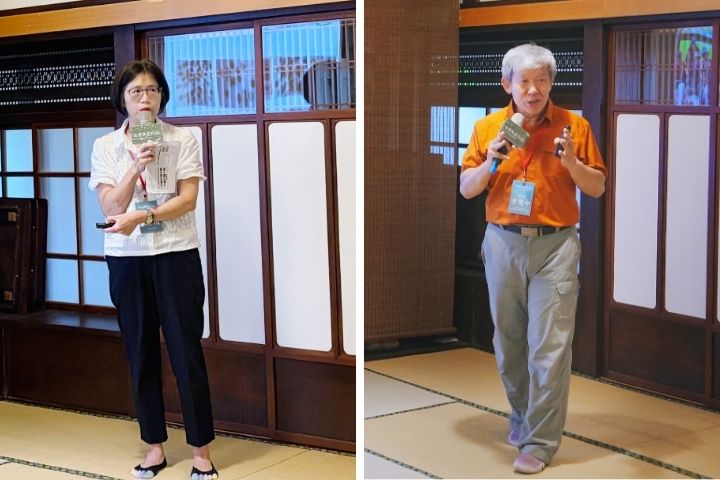
The Forestry and Nature Conservation Agency stated that publishing the English edition marks an important milestone in connecting local land ethics with the international stage. Su Mu-Rong, CEO of the Tse-Xin Organic Agriculture Foundation, emphasized: "Beyond the technology industry, Taiwan possesses invaluable Indigenous culture and land wisdom that deserve to be seen by the world!" The release of the English version allows the land wisdom, ecological knowledge, and cultural memories accumulated over generations by the Bunun people to transcend language barriers and engage in a deeper dialogue with the world. CEO Su looks forward to continuing to work hand-in-hand with all sectors to uncover more beautiful stories and wisdom from this land of Taiwan, letting them shine on the international stage and inspire others!