
Xinyuan Elementary School is a place that places great value on food and farming education.
Today’s classroom is a small patch of earth beside the playground—
where the children will plant millet with their own hands.
A light drizzle falls, the air is moist—perfect weather for sowing seeds.
In the field, the students slip on their sandals, excitement written all over their faces as they look forward to today’s task.
“Kids, do you know what we’re planting today?”
“Mil-let!”
Their voices ring out in unison—high-pitched, energetic, and full of joy.
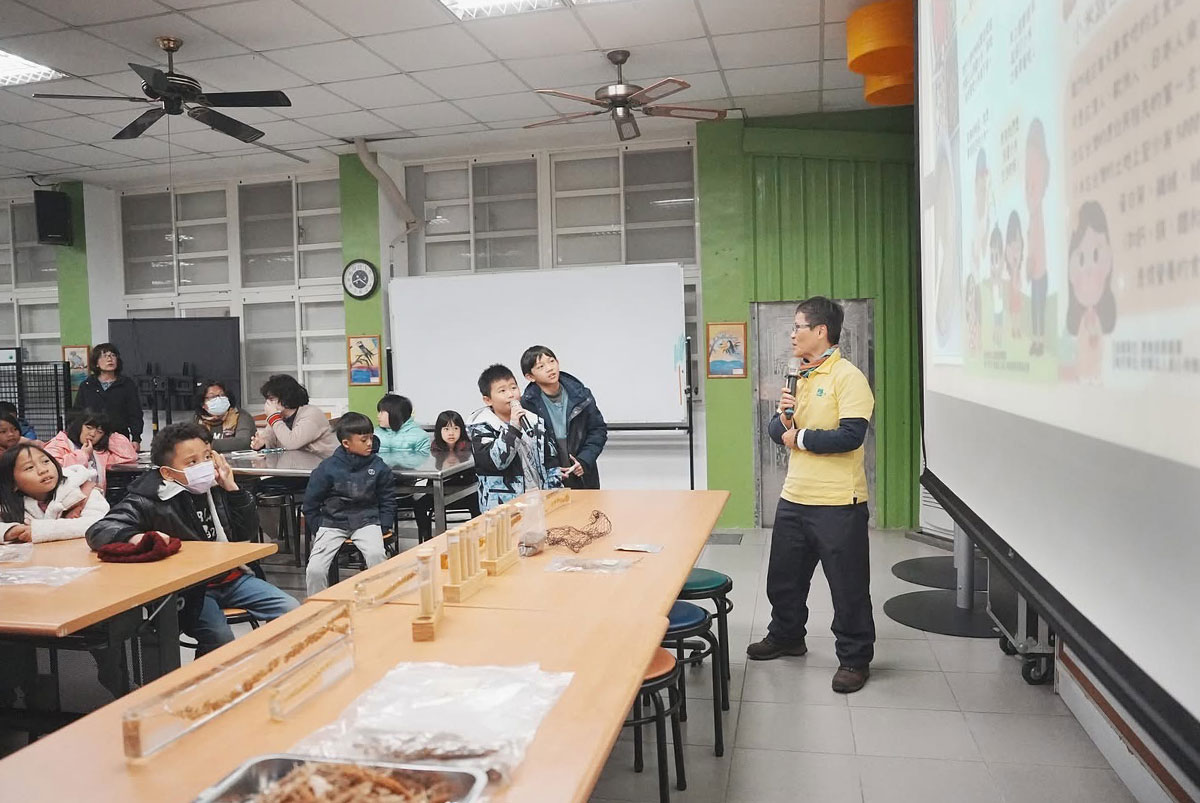
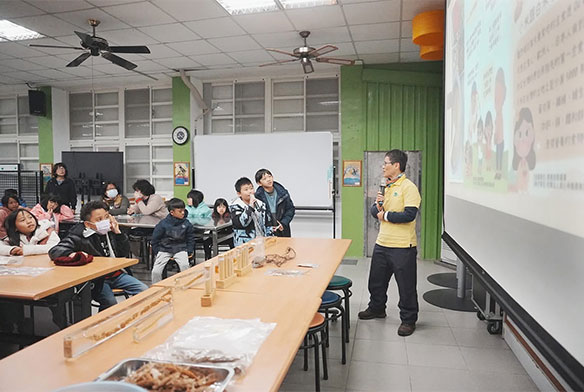
Before sowing the seeds, Sister Feng-Hsuan from Tse-Xin shares a story about millet.
“Do you know? Millet—the same millet you sometimes eat for lunch—is actually receiving international attention!”
“Last year, 2023, was the International Year of Millets!”
“And can anyone guess—who are the ancestors of millet?” she asks with a smile.
“Rice!”
“Sorghum!”
“Foxtail grass!”
The children eagerly raise their hands, calling out their answers.
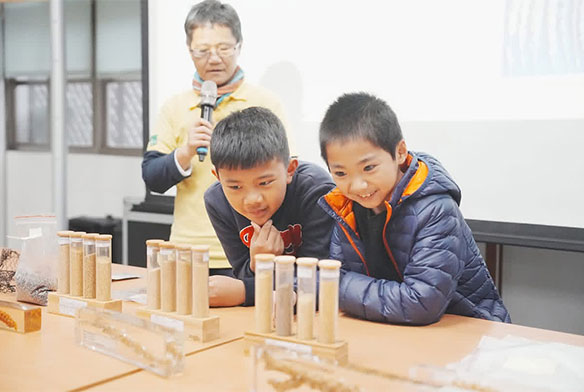
Then she takes out two kinds of millet.
“In my hands, I’m holding two millet varieties—one native to Taiwan, and the other imported from overseas.
Come take a look, touch them, feel them—what differences can you find?”
The kids lean in close.
Some sniff the grains, others rub them between their fingers.
From appearance to color to texture, they begin noticing the differences.
They soon discover that native millet is finer, with a softer golden hue.
“Millet has existed for more than ten thousand years.
From ancient times until now, it slowly became a staple food for humans.
One of its greatest strengths is its ability to grow in very dry environments.
In today’s era of climate change—especially during dry seasons—millet is an important and resilient choice for food and dryland crops…”
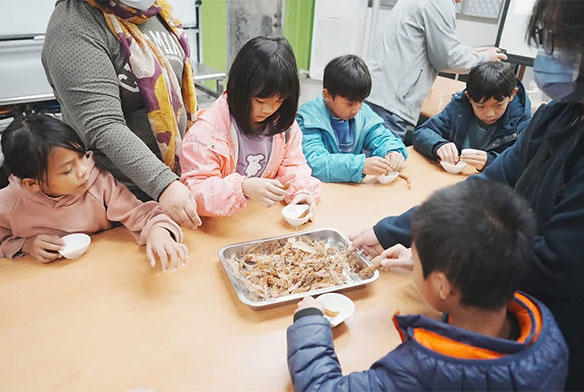
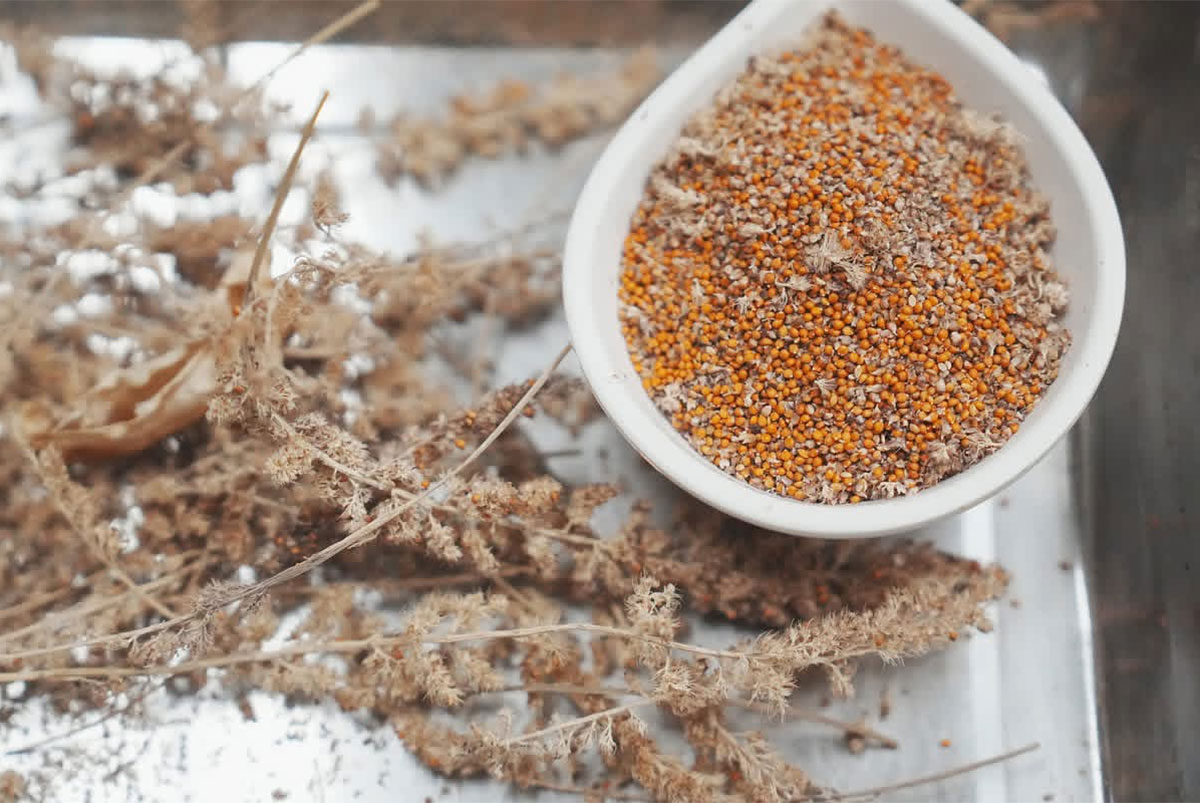 Before planting millet, <br>the children help remove the husks.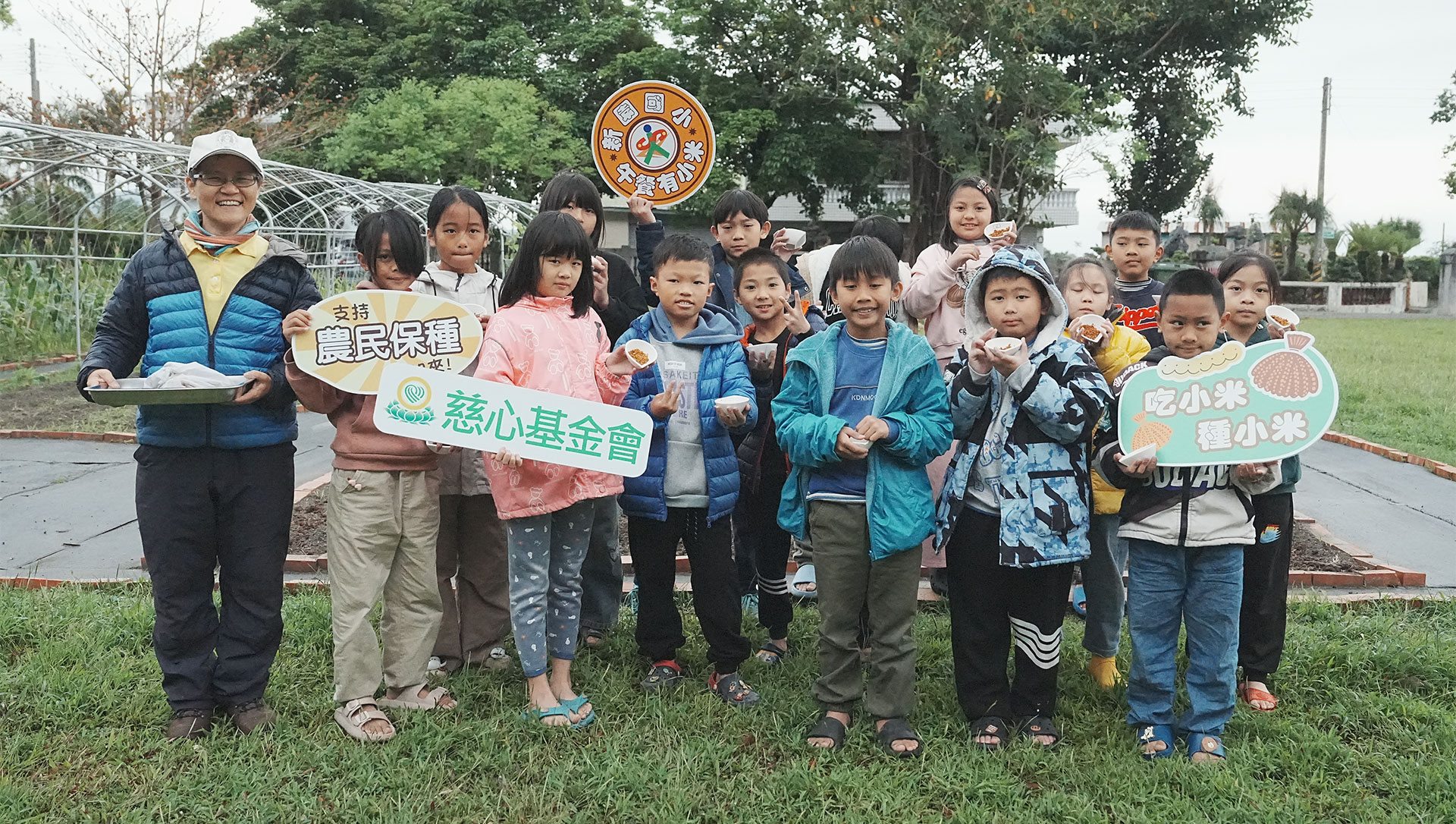
love for the land and memories of culture quietly taking root in the children’s hearts.
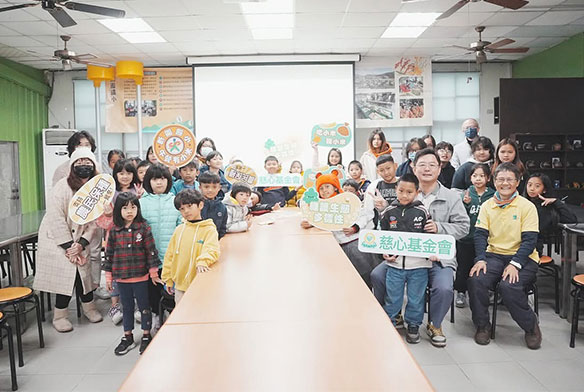
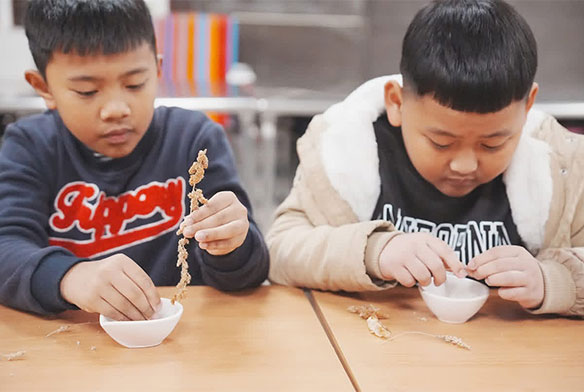 Curious and excited, <br>the children rub the grains between their fingers to hull the millet.
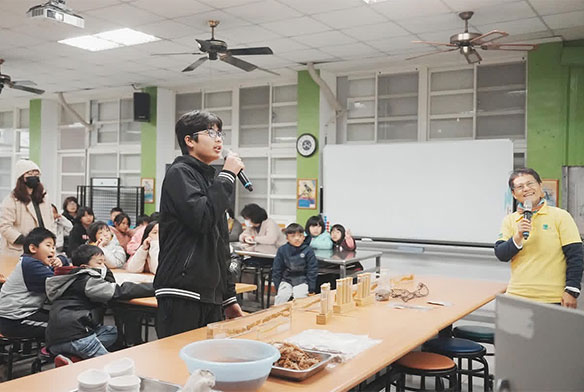 Tse-Xin educators share the history of millet — <br>deeply connected to our daily lives and cultural heritage.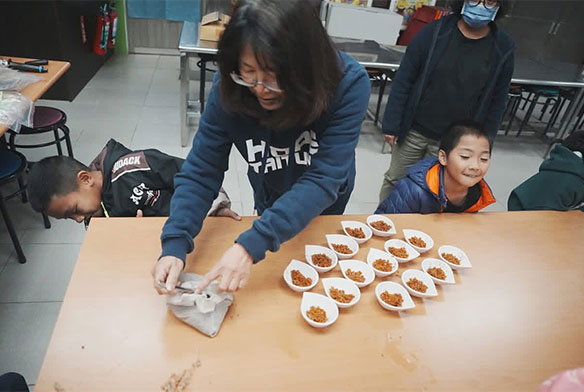
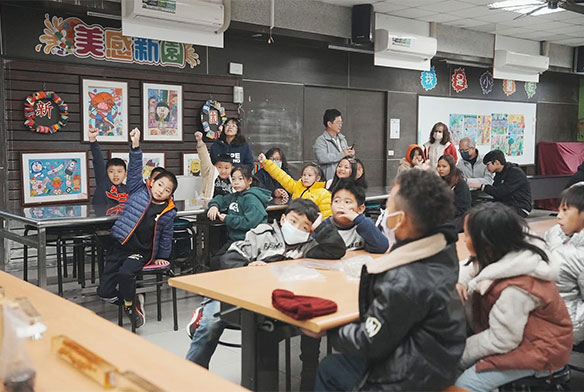
Before sowing, the first step is to hull the millet.
Golden grains rest in the children’s small palms, and as their fingers rub them gently, the millet seems to shimmer with a soft golden glow.
They rub with curiosity—fascinated and delighted.
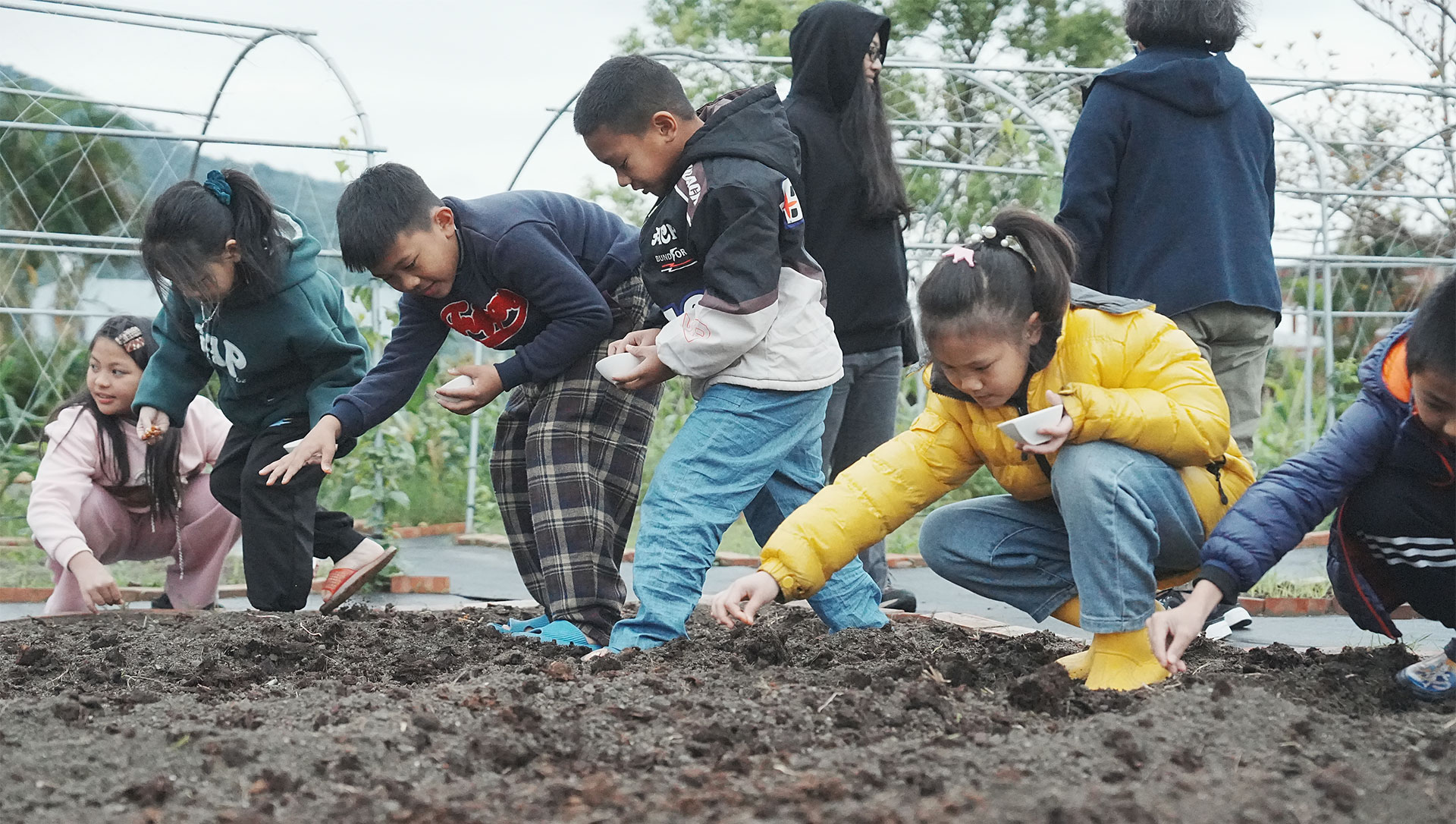
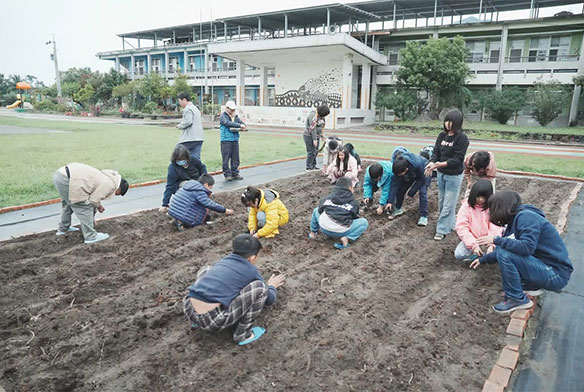
Next, the children line up along the edge of the field.
They crouch down, roll up their sleeves, carefully pinch a few grains of millet, place them softly into the soil, and gently cover them…
Finally, the Tse-Xin educators make a promise to return when the millet ripens—to harvest the crops together with the children.
The kids bow deeply in gratitude.
----
The real harvest isn’t the millet.
The true harvest is the emotion being planted—
the children’s love for the land, and their memories of culture quietly taking root in their hearts.
This is the greatest value of food and farming education:
not only teaching children where food comes from,
but nurturing a sense of connection and responsibility toward the land.
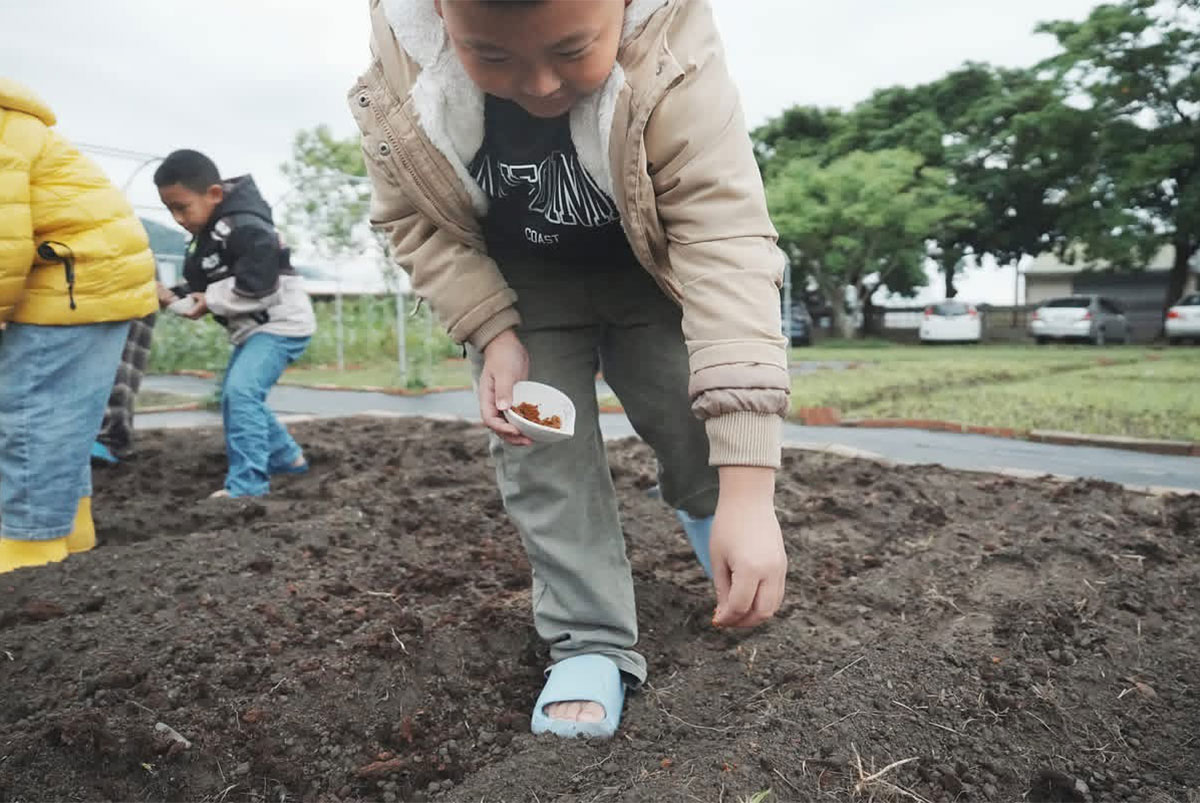
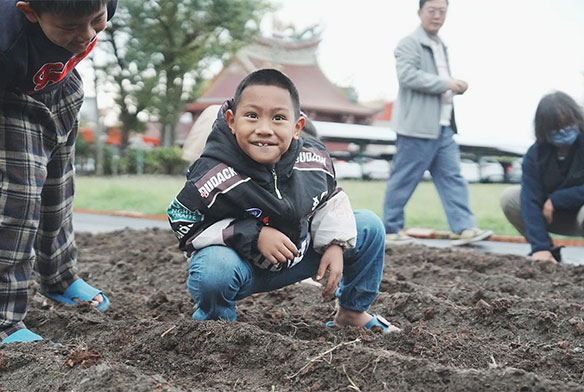

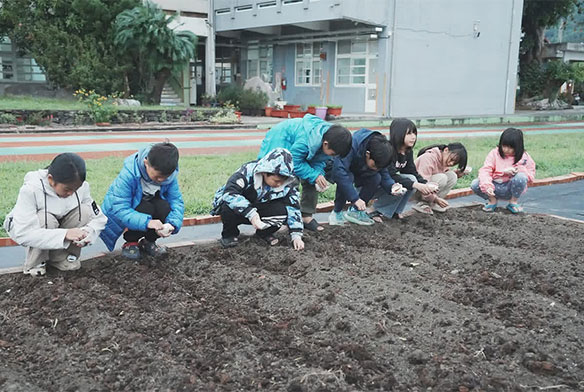 The children line up along the field, <br>roll up their sleeves, and gently place each grain into <br>the soil before softly covering it.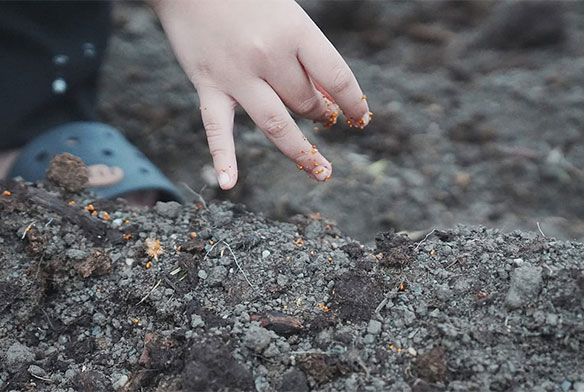

🌾 Let millet continue to take root on the hillsides—and sprout in the hearts of our children.
Through the “Millet in Schools” initiative, the Tse-Xin Foundation invites companies and all caring individuals to join us.
Let’s help children eat with awareness, and let their taste buds remember the flavor of this land.
👉 Support the Millet in Schools Initiative: https://forms.gle/uMB1Ncb6Fi7nZJAP8
👉 Contact: Director Chien Yu-Chuan, Tse-Xin Hualien–Taitung Office
Email: Email住址會使用灌水程式保護機制。你需要啟動Javascript才能觀看它
📽️ Millet in Schools Video: https://youtu.be/3nI2_5EdMQI?si=eQOBJ5jSz19d5Bhp